


Eighteen years after the landmark 2008 general election, dubbed the “political tsunami”, Chang Lih Kang said the reform agenda born out of the reformasi movement is still ongoing and should not be dismissed as “reformati”.
The PKR vice-president said describing the government’s reform efforts as “reformati” (a portmanteau of reformation and death in Bahasa Malaysia) is an exaggeration.
“You may feel reforms are not strong enough or not fast enough. But calling it ‘reformati’ is over the top,” he said in an interview with Oriental Daily.
Today is the anniversary of the 2008 general election, which saw BN lose its two-thirds parliamentary majority for the first time and cede control of Penang, Kedah, Perak, and Selangor while failing to capture PAS-held Kelantan.
The outcome was widely regarded as a turning point in Malaysian politics, reshaping a landscape long dominated by BN and paving the way for the historic change of federal government in 2018 and the current “unity” administration formed after the 2022 polls.
Chang, who is the science, technology, and innovation minister, said the 2008 result was not a sudden upheaval but the culmination of long-standing public grievances.
“The issues had been building since 1999. The political tsunami in 2008 was the result of a long accumulation,” he said.
Chang first contested in 2008 at 28 years old, becoming a Perak assemblyperson after the opposition captured the state government.
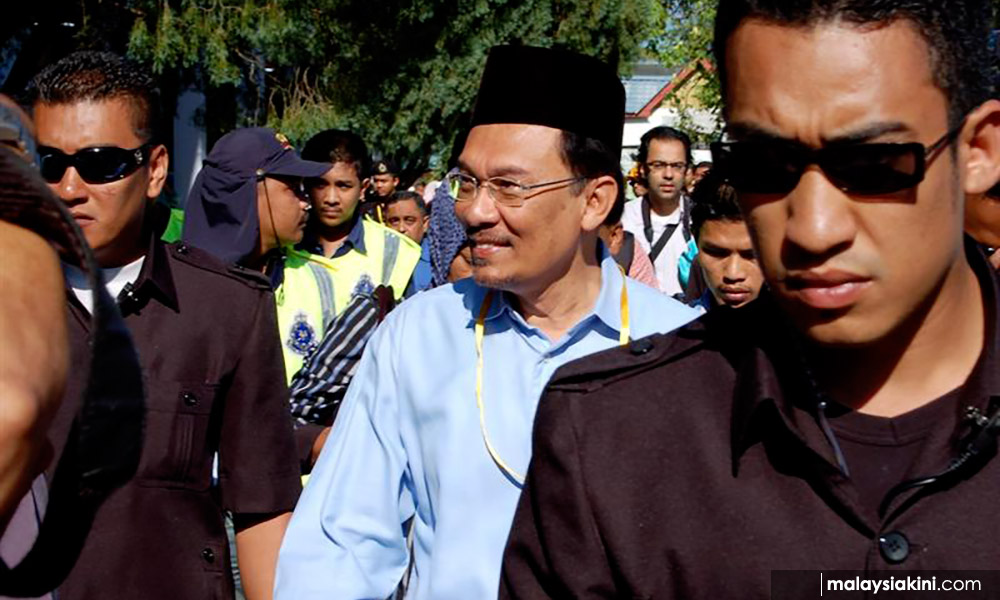
He noted that early signs of public dissatisfaction emerged during the 1999 general election, following the dismissal and arrest of Anwar Ibrahim by then-prime minister Dr Mahathir Mohamad, which sparked the reformasi movement.
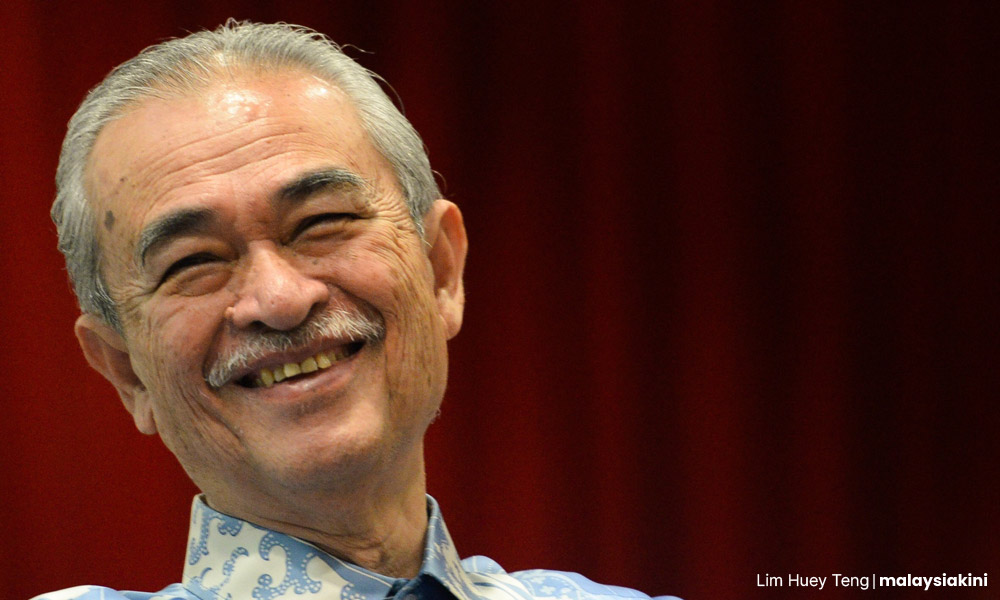
Although BN rebounded with a landslide in the 2004 election under Abdullah Ahmad Badawi, Chang said the coalition failed to address deeper grievances that later erupted in the 2008 polls.
Looking back, he said the episode serves as a reminder to governments that unresolved public concerns can eventually trigger electoral backlash.
Any misstep can become the spark that leads to defeat in elections, he warned.
Chang added that reforms inevitably take time and may involve “two steps forward and one step back”, especially for the government led by Anwar, which has been in power for just over three years.
He pointed to efforts such as strengthening parliamentary oversight over the executive, stepped-up anti-corruption enforcement, and citizenship reforms benefiting children born overseas to Malaysian mothers as examples of progress.
These are important institutional reforms with long-term impact, he added.
Urban, Chinese support no longer guaranteed
Chang also warned that support from urban and Chinese voters can no longer be taken for granted.
He said results from the recent Sabah state election showed that these voter blocs are no longer automatically aligned with Pakatan Harapan.
“If we perform poorly, we can still be voted out, and seats can still change hands,” he said.
Recalling the shock of the 2008 election, he noted how BN component party Gerakan - which had governed Penang for 18 years - was completely wiped out in a single night and lost control of the state government.
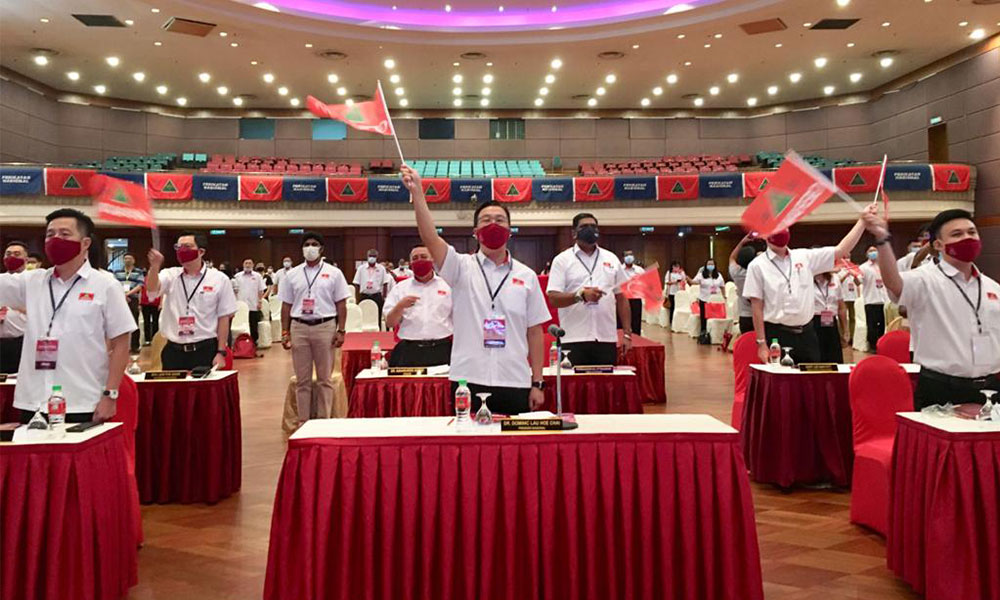
Chang cautioned that if Chinese voter support weakens in Peninsular Malaysia - either through declining backing or lower turnout - many seats held by PKR could become vulnerable.
He pointed out that most of the party’s constituencies are not safe seats.
PKR largely contests mixed constituencies that require support from multiple ethnic groups to win. Many of these seats were once strongholds of BN, he noted, warning that if any one community becomes strongly dissatisfied, it can trigger a domino effect, and the party could lose seat after seat.
Chang cited his own constituency, Tanjong Malim, where Malay voters make up about 57 percent, Chinese 25 percent, Indians over 10 percent, and Orang Asli around six percent. He won the seat in the last general election with a majority of just over 3,000 votes from about 69,000 ballots cast.
Multiracial balance is key
Chang stressed that PKR must maintain its multiracial approach and avoid turning ethnic issues into a “zero-sum game”.
“Some parties can push ethnic issues to the extreme because they are built around one community. But PKR is different - our foundation is multiracial,” he said.

Because of this, solutions proposed by the party may sometimes appear moderate or imperfect, he acknowledged, but they aim to strike a balance acceptable to different communities.
He added that the government has accelerated some reform initiatives, with Anwar announcing plans this year to pursue measures including a two-term limit for the prime minister, separation of the attorney-general and public prosecutor roles, a freedom of information law, and the establishment of an ombudsman institution.
First-time voters remain biggest enigma
On voter trends, Chang said Malay support had shown some improvement among civil servants and the security forces due to what he described as an “incumbency effect”.
However, he acknowledged that support in traditional rural Malay areas has not shifted significantly.
“The group we really don’t understand well is first-time voters aged 18 to 20. That’s a big unknown,” he said.
While urban and Chinese voters have tended to support PKR and DAP since 2008, he pointed out that little data exists on the views of first-time voters aged 18 to 20.
“If you ask whether we are confident of winning their support, I can’t say for sure.
“We still don’t know enough about this group, and we need to do more to understand them.”
With several state assemblies nearing the end of their terms - with Malacca later this year, as well as Sarawak and Johor in 2027 - Chang said discussions on electoral cooperation within the coalition government are ongoing.
He personally favours holding state and federal elections simultaneously, arguing it would give parties greater flexibility in negotiating seat allocations and avoid awkward situations where allies compete against each other.
“But these matters still require negotiations among all parties,” he said. - Mkini

No comments:
Post a Comment
Note: Only a member of this blog may post a comment.