


The recent arrest of three individuals from an NGO, allegedly linked to the misappropriation of zakat funds from Perlis, is deeply concerning.
Some argue that no crime was committed because these individuals technically have a right to receive zakat funds under Perlis’ governance and distribution protocols.
The general public might not fully grasp the nuances here. To put it simply: the NGO may have been authorised to operate as such, receiving a portion of the zakat collected as a fee for acting as an amil (collector) or agent.
There are claims that they collected upwards of RM1 billion to RM2 billion, earning hundreds of millions in commissions. Even a six to 10 percent cut would exceed RM100 million.
Whether these figures are accurate remains to be seen; the true facts will only emerge once the case reaches the courts.
Borderless collection problem
However, there is a much larger concern here - one that is often overlooked. Zakat falls under state jurisdiction. Yet, in this instance, it appears that zakat collection has no state boundaries.
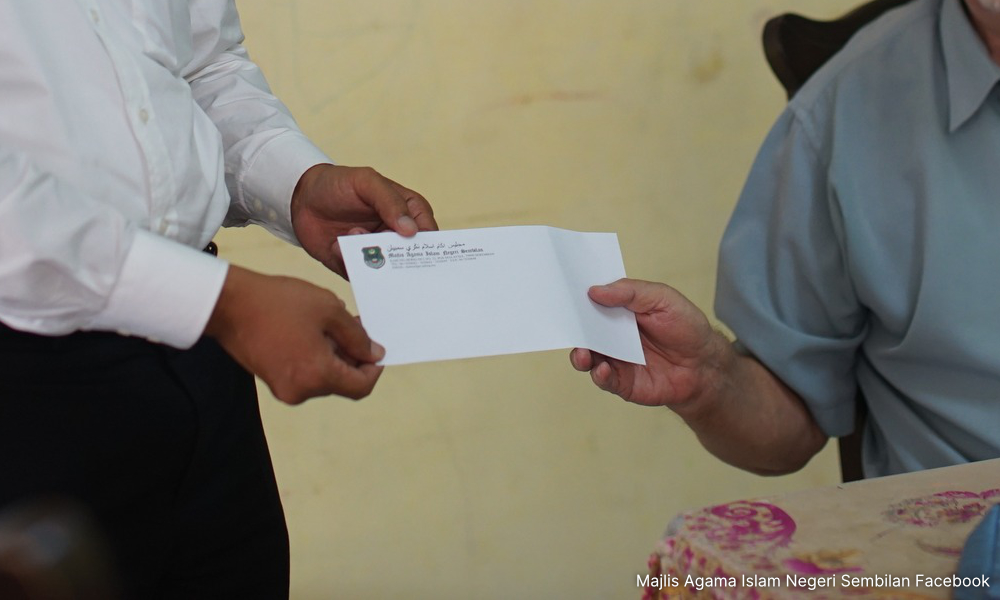
An NGO based in Selangor can act as an agent or collector for Perlis, regardless of geography. This is a genuine problem.
While there is no specific law stating that zakat must be paid only in one’s home state, the national implications are significant.
The “Perlis Zakat Scheme” is detrimental to national revenue. While it benefits Perlis, the collection agents, and the individual taxpayers, it ultimately hurts the country.
Impact on national revenue and equity
The reason is simple: Zakat payments entitle the payer to a 100 percent income tax rebate. This means the Inland Revenue Board (IRB) collects less tax, and national income dwindles.
If a businessperson in Kelantan pays his zakat to Perlis to receive that 100 percent rebate, the national treasury loses out.
A drop in national income leads to reduced allocations for citizens in other states, which in turn widens the poverty gap between regions.
Question of fairness
If every Muslim individual and business in Malaysia chose to pay zakat solely to gain a tax rebate, national income tax would essentially be funded only by non-Muslims.

Is this fair? Muslim contributions would go toward zakat, which cannot be used for general national operating expenses or infrastructure development, leaving non-Muslims to shoulder the tax burden for the entire country’s expenditures.
As Muslims, are we acting justly? This is a question we must reflect upon. We often behave unfairly toward non-Muslims, even though their contributions to national income are largely used for the benefit of the majority.
Transparency and trust
And this doesn’t even touch on the issue of how these agents and payers distribute the zakat themselves.

Where is the transparency? Who actually receives it? When reports surface of people buying 18 luxury cars, how can the public be expected to maintain their trust?
And let’s be honest - they aren't the only ones allowed to operate this way, are they? What’s the full story? - Mkini
MUJAHIDIN ZULKIFFLI is a former political secretary at the Foreign Ministry, a social and political activist, and a Malaysiakini reader.
The views expressed here are those of the author/contributor and do not necessarily represent the views of MMKtT.

No comments:
Post a Comment
Note: Only a member of this blog may post a comment.