

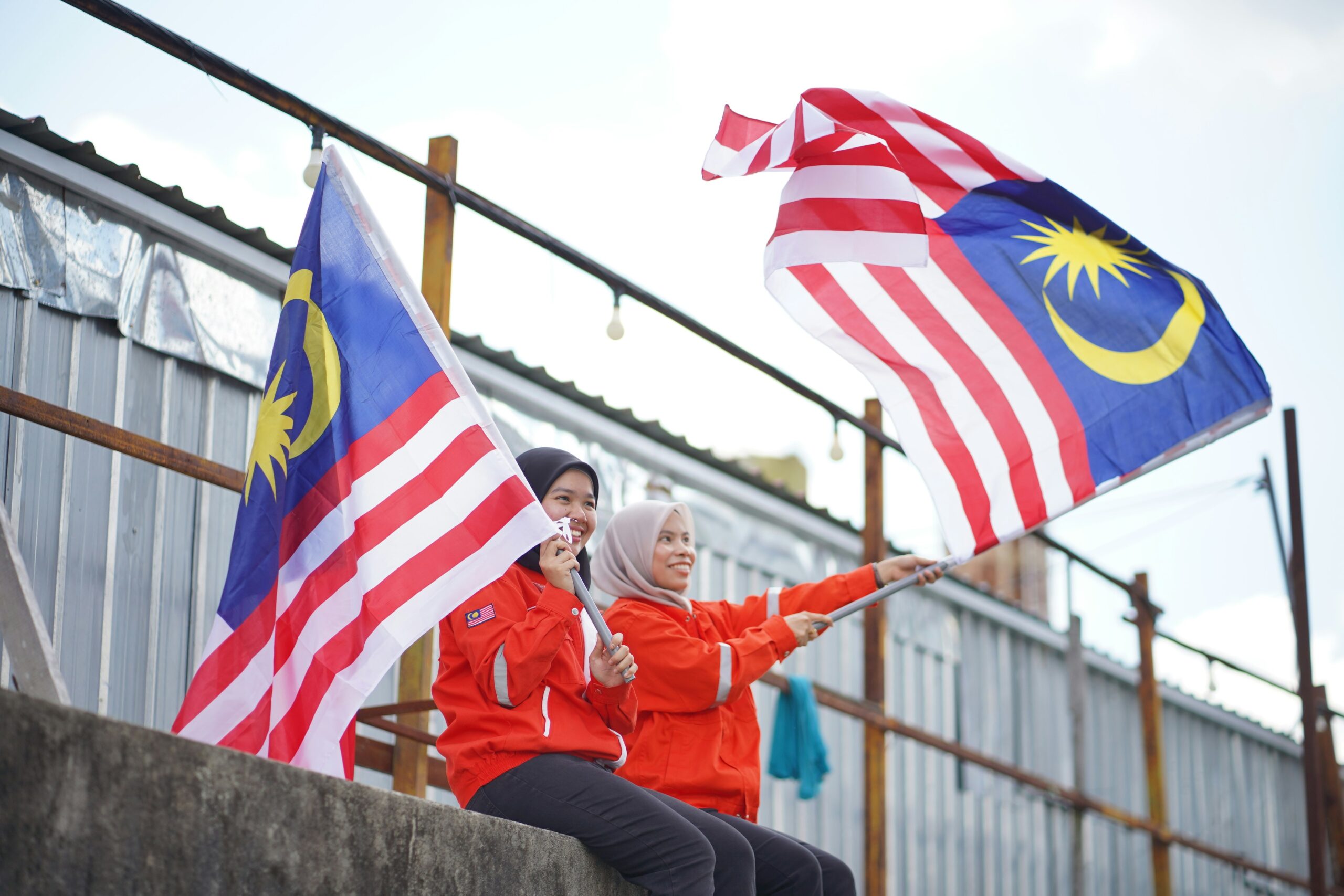
THE shift in rhetoric from “negara, bangsa dan agama” to “agama, bangsa dan negara” is more than a rearrangement of words. It signals a deeper struggle over national priorities and the direction Malaysia may be heading.
When religion is placed before nation, governance risks becoming shaped by identity rather than policy, emotion rather than economics, and symbolism rather than substance.
In a diverse country like Malaysia, such a shift carries significant political, social and economic implications.
History offers cautionary lessons. Europe’s past demonstrates how governance dominated by religious authority can fracture societies. The devastation of the Thirty Years’ War showed how competing religious claims, intertwined with political power, led to prolonged instability and economic destruction.
Over time, European states moved to separate religious influence from governance, not to weaken religion, but to prevent its politicisation.
Malaysia’s context is different but not immune to similar risks. The earlier emphasis on “negara, bangsa dan agama” reflected an understanding that a strong nation provides the foundation upon which identity and belief can thrive.
Reversing that order suggests governance may increasingly be shaped by religious positioning. In a multi-ethnic, multi-religious society, this risks intensifying competition over identity rather than cooperation on development.
When religion becomes the primary lens of governance, policy debates risk becoming moralised rather than pragmatic. Economic reform may be overshadowed by symbolic issues, while education policy may be influenced by ideology instead of workforce needs.
Fiscal discipline can be weakened by populist narratives framed through identity. These tendencies reduce the state’s ability to address structural challenges such as productivity stagnation, declining oil revenues and rising living costs.
Malaysia’s economic realities make this particularly concerning. The country has long benefited from natural resources, including oil, gas and palm oil, which provided fiscal comfort and allowed difficult reforms to be delayed. However, this model is becoming less sustainable.
Energy transitions are accelerating globally, oil reserves are finite, and regional competition is intensifying. A country that prioritises identity politics over economic transformation risks falling behind.
The rising cost of living underscores this urgency. Housing affordability, food prices, transport costs and wage stagnation are affecting households nationwide. These challenges require practical solutions such as productivity growth, industrial upgrading and fiscal discipline.
Yet when political discourse centres on identity, attention shifts away from these structural issues. Public debate becomes polarised while economic planning weakens.
Policy inconsistency is another risk. When political actors compete to align themselves with identity narratives, decision-making becomes less predictable. Investors value clarity and stability.
Frequent policy shifts driven by political signalling create uncertainty, discouraging long-term investment and slowing job creation.

Social cohesion is also at stake. Malaysia’s strength lies in its diversity, which requires careful balancing between identity and shared national purpose. When religion is placed above nation, individuals may prioritise group identity over collective identity.
This risks deepening divisions and eroding trust, particularly if economic opportunities are perceived through communal lenses.
Governance credibility further complicates the picture. Public frustration grows when identity narratives are emphasised while economic concerns remain unresolved.
Perceptions that political leaders are insulated from the challenges faced by ordinary citizens can deepen cynicism and weaken trust in institutions.
Malaysia’s development trajectory reflects these tensions. Despite strong fundamentals, including strategic location and established infrastructure, the country has struggled to achieve high-income status.
Productivity growth remains modest, innovation capacity uneven, and brain drain continues as skilled professionals seek opportunities elsewhere. These challenges require sustained, coherent policy direction. Identity-driven politics, however, encourages short-term thinking.
Fiscal sustainability is another concern. Declining oil revenues will place increasing pressure on government finances. Without diversification, reliance on borrowing may rise, reducing fiscal flexibility and limiting development spending.
If policy debates remain dominated by identity issues, these risks may not receive adequate attention until they become more severe.
The long-term consequences could be significant. Economic stagnation may deepen if reforms are delayed. Social fragmentation may increase as identity politics intensifies. Investor confidence may weaken, and talent outflow may accelerate. These trends would slow Malaysia’s progress towards high-income status.
This does not mean religion should be excluded from public life. Religion plays an important role in shaping values and social cohesion.
However, placing religion above nation risks politicising belief. A more balanced approach allows religion to guide societal values while governance remains focused on national development.
Malaysia’s future depends on restoring a nation-first approach in practice. This requires strengthening institutions, promoting transparency and pursuing inclusive growth.
It also demands investment in education, technology and innovation, alongside leadership willing to prioritise long-term stability over short-term political gain.
The challenges are clear. Living costs are rising, competition is intensifying and economic transformation cannot be delayed indefinitely. If governance becomes dominated by identity narratives, Malaysia risks missing a critical window for reform.
A country divided by competing priorities struggles to progress. A country united around national development can overcome its constraints. The choice is not between identity and progress, but between symbolism and substance.
Placing religion first may carry political appeal. Placing the nation first provides a stronger foundation for stability, growth and shared prosperity.
Malaysia must decide which priority will shape its future—before the consequences become harder to reverse.
R. Paneir Selvam is Principal Consultant at Arunachala Research & Consultancy Sdn Bhd (ARRESCON), a think tank specialising in strategic and geopolitical analysis.
The views expressed are solely of the author and do not necessarily reflect those of MMKtT.
- Focus Malaysia.

No comments:
Post a Comment
Note: Only a member of this blog may post a comment.