


In every election in Malaysia, we hear the same words. Reform. Change. Transparency. Better government. Fair growth. National unity.
But the debate often gets stuck on two things: race and votes.
Some say Prime Minister Anwar Ibrahim is focusing too much on winning the Malay vote, but that is not the real question.
The real question is simpler: Can Anwar bring Malaysians together, or is he only managing different groups to stay in power?
The original New Economic Policy changed Malaysia's social and economic landscape. It helped reduce poverty and build a large Malay middle class. Many Malays moved from rural life into education, jobs, and business.
That is real success, but over time, something changed.
From help to dependency
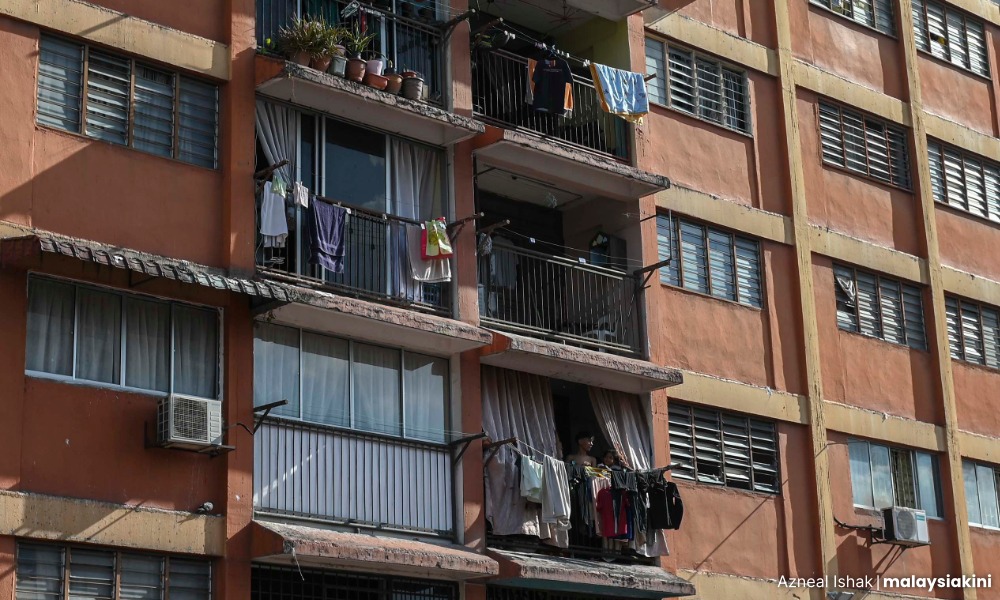
What started as help for the poor slowly became a long-term system of protection, and in some cases, people began to depend on it.
This is the first irony:
A system meant to help people stand on their own feet was able to make some people less ready to stand without help.
Today, many Malaysians are struggling with rising costs. Food, housing, transport. Everything is more expensive. This is not just a Malay problem, as it affects all races.
However, politics is still often talked about in racial terms, and this creates a problem. The country has moved forward, but politics has not fully moved with it.
Most top politicians today come from the same political world built over decades. This includes leaders from Umno-Baru and other major parties.
Even when leaders change, the system often stays the same.
It rewards caution, not bold change. It rewards balance, not disruption. It preaches equality and fairness, but promotes quotas.
Managing, not changing, the system
This creates another irony:
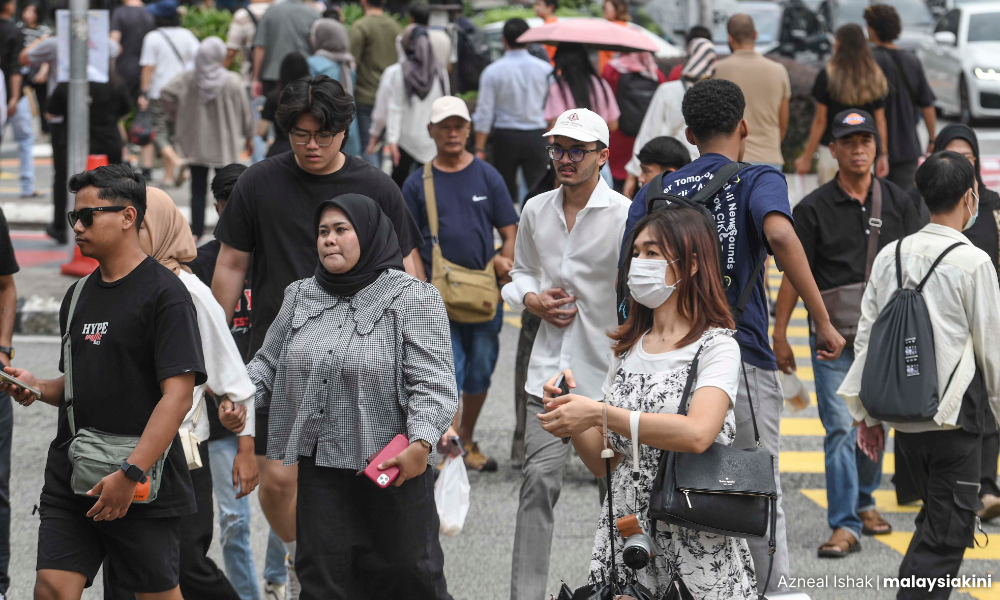
Leaders who promise change often end up managing the same system they wanted to reform.
Many Malay students who study abroad see a different world. They live in places where people of all races and religions work and study together. They see systems where success depends more on skill than background. They manage, thrive, and flourish.
Many come home wanting change, wishing for a fairer and more open Malaysia. Some are comfortable with leaders from any race, as long as they are capable. When they return, reality is harder.
When jobs, promotions, and social standing depend on being careful with what you say, some learn quickly that being too vocal can hurt their career or future.
So over time, some become quieter or simply clam up forever.
Sad contradiction
This is a sad contradiction:
People who most strongly want change often find it hardest to keep speaking about it.
Many Malays who left Malaysia to study or work have done very well overseas. In their adopted countries, like the United Kingdom, Australia, Singapore, and the United States, they compete at high levels.
They did not lose their identity. They kept their faith. Many still feel strong ties to Malaysia.
This raises an important question:
If Malays can succeed in very competitive systems abroad, then the issue at home may not be ability, but the system they are in.
Frustration over trust in institutions
There is also public frustration about trust in institutions.
Cases involving former MACC chief Azam Baki have led to long public debate about transparency and accountability. Many people are unhappy when investigations take a long time, and the results are not clearly explained.
When this happens, trust gets weaker, not only in one case but in the system as a whole.
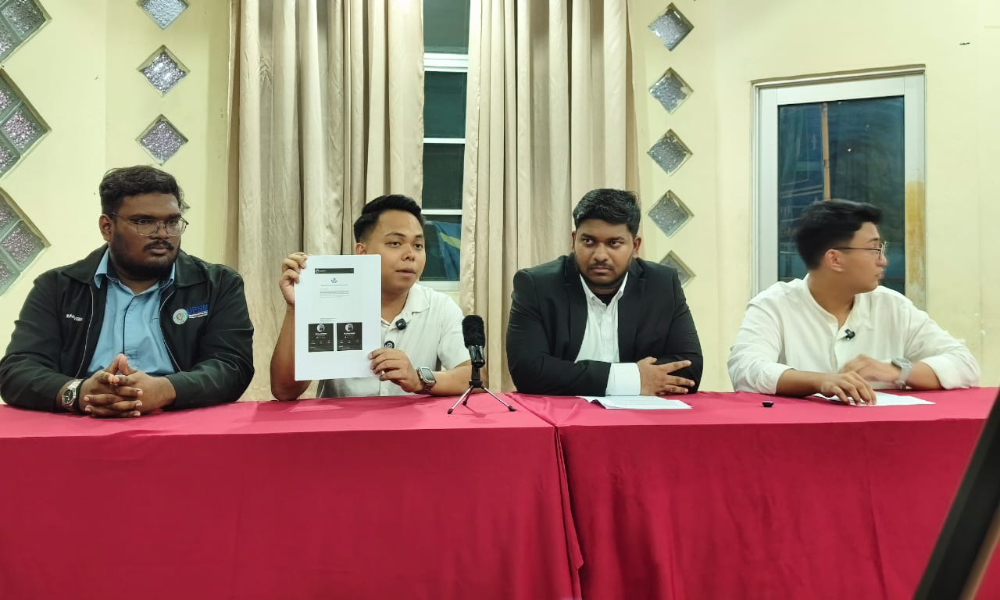
Some younger politicians and student leaders have left parties like PKR, saying they are disappointed.
Another tension is exposed: Young people want reform, but they feel the system is slow to change.
Malaysia also faces daily pressures that add to political stress.
Local disputes tend to morph into political issues. These include places of worship, land use, and community planning. Even when starting as normal administrative matters, they can escalate into emotional and sensitive issues because of trust and history.
Environmental issues, including pig farming regulations in some areas, are usually about health, safety, and proper planning, but they can quickly become politicised and linked to identity.
Overblown issues
So small issues often become big national debates.
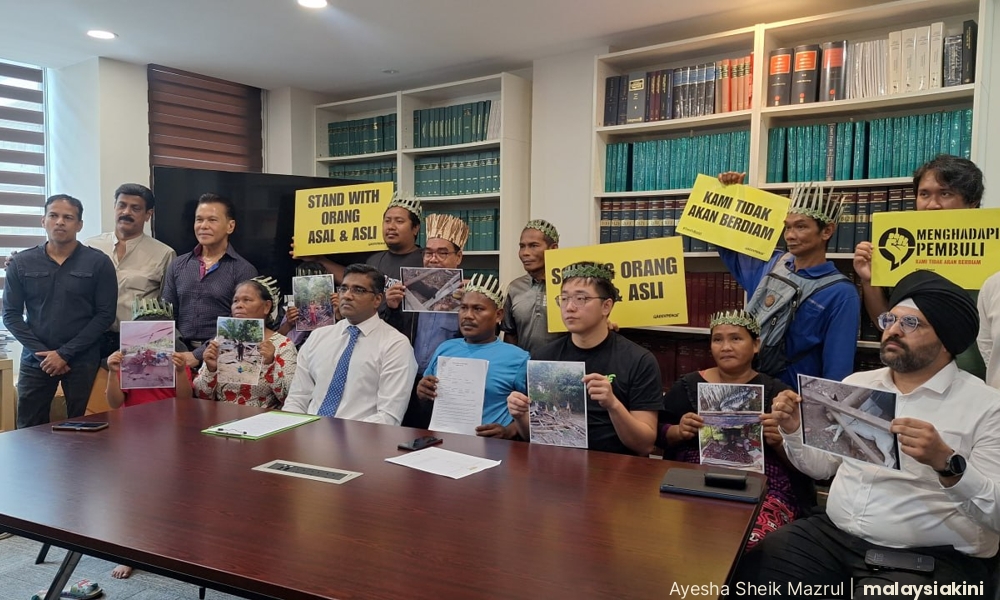
We can’t forget the Orang Asli. Their communities have lost parts of their ancestral land over time. Some still face poverty, weak access to services, and pressure from development.
This is revealing because not all inequality in Malaysia fits neatly into race-based politics. Some of the most vulnerable groups are often the least heard. This raises a simple but hard question: Should support be based on race, or on real need?
Some people see Anwar as a reform leader. They believe he wants a cleaner government, less corruption, and a fairer system, but he faces many limits.
Malaysia is complex. Coalitions are fragile. Every decision affects many groups, and old systems remain.
Can Anwar really change Malaysia? Is he trying to improve a system that refuses to budge?
Malaysia has changed a lot. Its people have changed a lot, but the political system has not, and that is where the tension lies. Most Malaysians now want the same things, like better living costs, fair treatment, no corruption, and a united country.
The question is not whether people want change.
The question is whether the system allows real change to happen, and is Anwar the man to deliver that change? - Mkini
MARIAM MOKHTAR is a defender of the truth, the admiral-general of the Green Bean Army, and the president of the Perak Liberation Organisation (PLO). Blog, X.
The views expressed here are those of the author/contributor and do not necessarily represent the views of MMKtT.

No comments:
Post a Comment
Note: Only a member of this blog may post a comment.