

SPEAKING on the Keluar Sekejap podcast, hosted by former health minister Khairy Jamaluddin and former UMNO information chief Shahril Hamdan, Tan Sri Dr Chua Soi Lek warned that non-communicable diseases were rising at an alarming rate, with lifestyle-related illnesses accounting for nearly 70% of deaths in Malaysia.
“Some specialists are even describing it as an epidemic,” Chua, who served as health minister from 2004 to 2008, reportedly said.
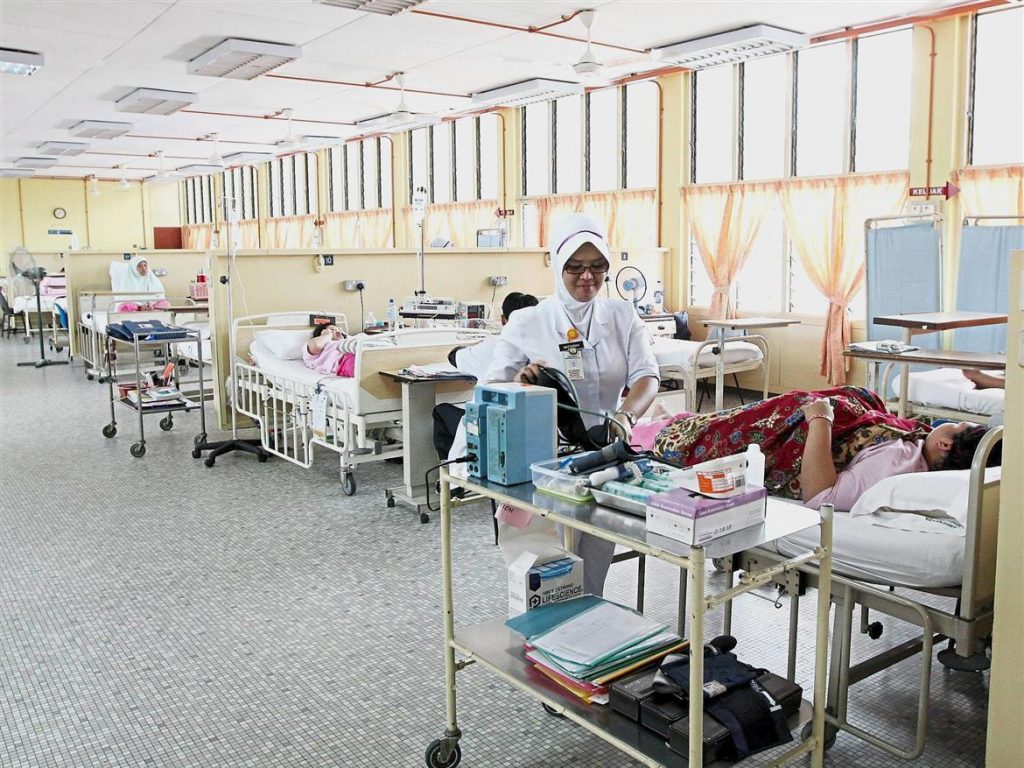
Chua’s warning reflected growing concern over the state of Malaysia’s public healthcare system, which many healthcare workers believe is under severe and prolonged strain.
For decades, Malaysians took pride in the country’s public healthcare system. Government hospitals symbolised accessibility and affordability, allowing people from all income groups to receive treatment at minimal cost.
However, confidence in that system is increasingly being tested.
Doctors and nurses are facing mounting workloads, specialists are leaving the public sector, and hospitals are struggling with overcrowding and staff shortages.
Young medical officers, particularly contract doctors, continue to face uncertainty over career progression and long-term job security.
The contract doctor issue has become one of the clearest examples of systemic frustration within the healthcare sector.
Many young doctors spend years completing medical training and enduring demanding hospital schedules, only to face temporary contracts and uncertain futures.
As a result, some healthcare professionals have chosen to leave for the private sector or seek opportunities overseas, contributing to concerns over brain drain and workforce retention.
Critics argue that Malaysia has underinvested in healthcare for years while expecting medical personnel to continue operating under increasingly difficult conditions.
Long working hours and burnout among healthcare workers have also become major concerns. Reports of doctors working extended shifts have raised questions about staff welfare, patient safety and the long-term sustainability of the system.
At the same time, Malaysia is facing a growing burden of chronic diseases, including diabetes, obesity, hypertension, kidney disease and cardiovascular illness.
Public hospitals remain heavily focused on treating advanced illness rather than preventing disease earlier through stronger preventive healthcare strategies.
Health experts have repeatedly warned that without greater emphasis on prevention and early intervention, the healthcare system may struggle to cope with rising patient numbers and an ageing population.
There are also concerns over widening inequality in healthcare access, as higher-income groups increasingly turn to private healthcare while lower- and middle-income Malaysians continue relying heavily on overcrowded public facilities.
Against this backdrop, calls for structural reform are growing louder.
Among the proposals raised is the establishment of an independent health commission to improve long-term workforce planning and reduce bureaucratic inefficiencies in healthcare management.
Supporters argue that healthcare staffing cannot be managed with short-term planning cycles, given that training specialists takes many years and shortages can affect patient care for prolonged periods.
Others have also called for greater collaboration with private general practitioners to help manage chronic diseases at community level, easing pressure on public hospitals.
Technology and artificial intelligence could also play a role in improving patient monitoring, rural healthcare access and follow-up care. However, observers caution that technological solutions alone will not resolve deeper governance and structural challenges.
Ultimately, the debate over healthcare reform extends beyond hospitals and staffing shortages. It reflects broader questions about national priorities, public investment and institutional resilience.
Malaysia’s healthcare system still retains many strengths, but experts warn that without sustained reforms, mounting pressures may continue eroding both workforce morale and public confidence.
The challenge now is whether policymakers are prepared to implement long-term reforms before existing strains become significantly harder to reverse.
KT Maran is a Focus Malaysia viewer.
The views expressed are solely of the author and do not necessarily reflect those of MMKtT.
- Focus Malaysia

No comments:
Post a Comment
Note: Only a member of this blog may post a comment.