


The May 13 incident of 1969 remains one of the darkest and most consequential episodes in Malaysian history.
Officially described as “racial riots” largely involving Malays and Chinese in Kuala Lumpur, the violence left hundreds dead, shattered public confidence, and fundamentally altered the direction of the Malaysian state.
More than half a century later, the tragedy continues to cast a long shadow over national politics, ethnic relations, and public discourse.
The late sociologist Syed Hussein Alatas aptly described May 13 as “a supreme act of barbarism”. Yet, the incident was far more than a spontaneous racial clash.
It emerged from a combustible mix of historical grievances, economic inequality, communal politics, inflammatory rhetoric, and intense internal power struggles within the ruling elite.
Indeed, a substantial body of scholarship suggests that May 13 was not merely a racial riot, but also a political coup in disguise.
The official narrative
The official account, presented in “The May 13 Tragedy: A Report” published by the National Operations Council (NOC) in 1969, blamed several factors for the outbreak of violence: provocative opposition victory parades after the general election, communist influence, Chinese secret societies, communal extremism, and Malay fears about their political future.
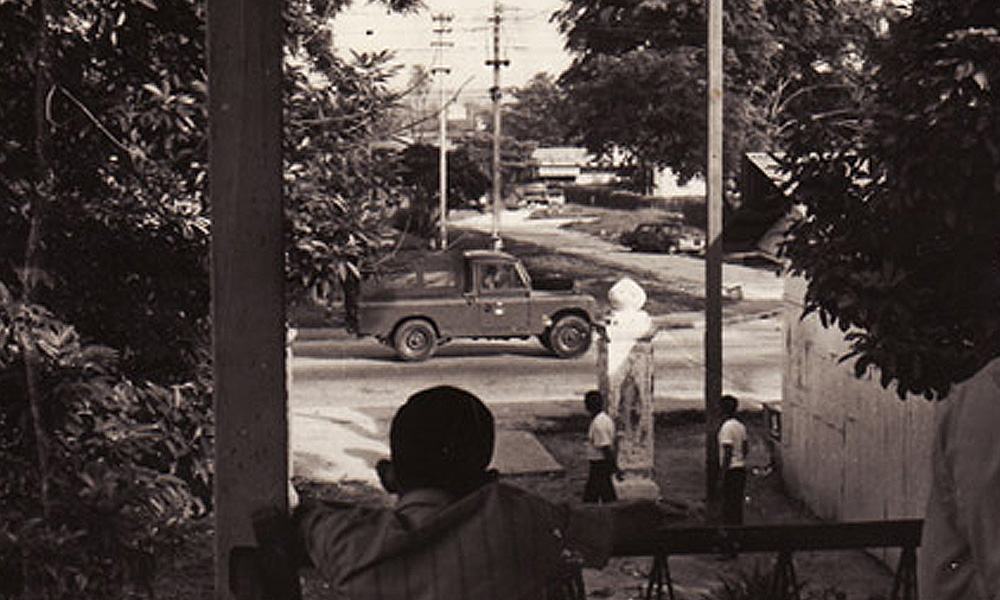
According to the NOC, opposition supporters – mainly from DAP and Gerakan – celebrated their election gains by staging processions through Kuala Lumpur between May 11 and 12, 1969.
During these parades, some participants allegedly shouted provocative slogans such as “Malays have lost power” and “Kuala Lumpur now belongs to the Chinese”.
Malaysia’s first prime minister, Tunku Abdul Rahman, similarly blamed communist agitators and irresponsible opposition supporters for inflaming communal tensions.
For decades, this became the dominant state narrative: May 13 was portrayed primarily as a spontaneous Malay reaction to opposition provocation and communal insults.
Deep historical fault lines
However, many scholars have questioned whether the official explanation tells the full story.
The roots of the crisis stretched far deeper than election celebrations. British colonial rule had created a sharply divided “plural society” in which ethnic groups occupied distinct economic roles.
Malays were concentrated in rural agriculture and generally poorer; Chinese dominated commerce and urban business; Indians largely worked on plantations and in public works. Economic inequality increasingly overlapped with ethnicity.
This unequal structure bred deep insecurities and mutual suspicion. Many Malays feared economic marginalisation in their own homeland, while non-Malays feared political exclusion.
Historical memories also intensified communal anxieties. During the chaotic aftermath of the Japanese surrender in 1945, violent clashes erupted between Malays and Chinese in several states.
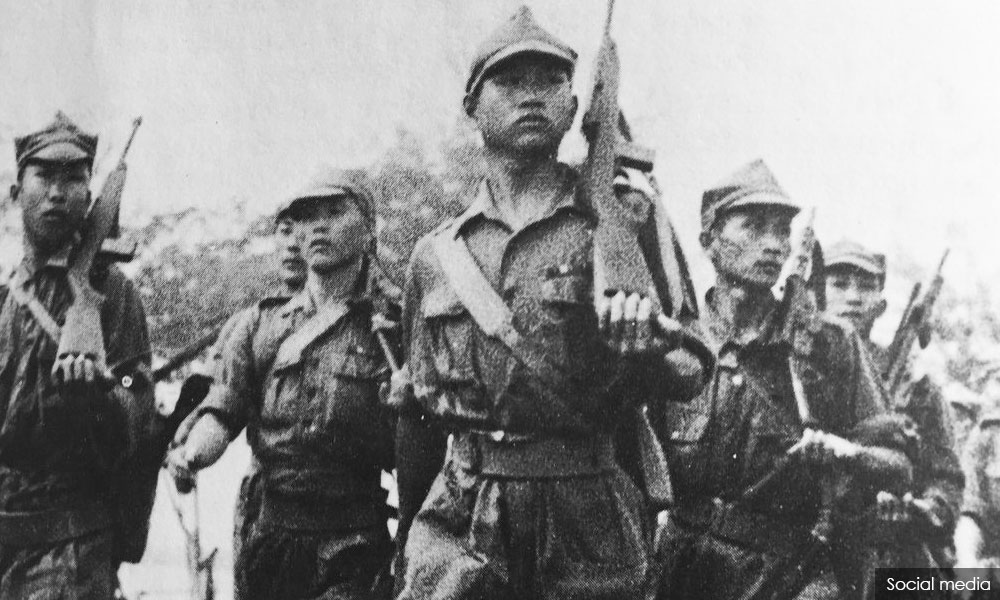
The Malayan People’s Anti-Japanese Army (MPAJA), dominated by Chinese guerrillas, carried out reprisals against suspected collaborators. In turn, Malay groups launched retaliatory attacks on Chinese settlements. These episodes left enduring scars on interethnic relations.
Equally important was the widespread Malay belief that Peninsular Malaysia was fundamentally Tanah Melayu – the land of the Malays.
Although non-Malays had gained citizenship at independence under the 1957 constitutional compromise, many Malays still regarded them as pendatang or immigrants. Some Malays, therefore, viewed the prospect of Chinese political ascendancy as an existential threat.
The election shock
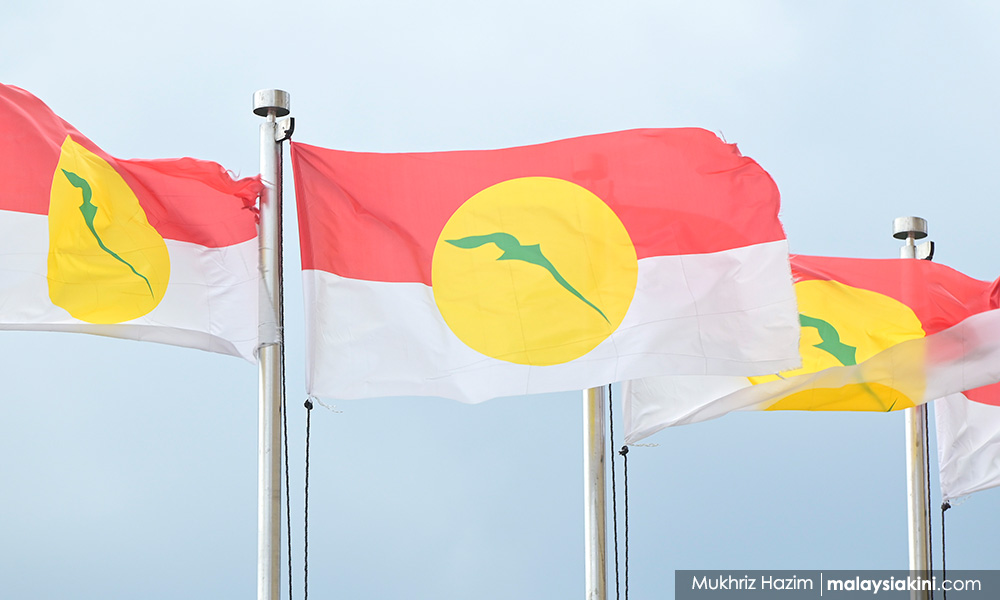
The immediate trigger for the crisis was the general election of May 10, 1969. The ruling Alliance Party – dominated by Umno, MCA, and MIC – suffered its worst electoral setback since independence.
It lost its two-thirds parliamentary majority, while opposition parties made major gains. Gerakan captured Penang, PAS retained Kelantan, and the Alliance failed to secure outright control in Selangor and Perak.
The results sent shockwaves through Umno. For many Malays, they signalled that political power might gradually shift towards non-Malays. Tensions became particularly acute in Selangor, where the Alliance won only half the state seats.
Opposition supporters celebrated exuberantly in Kuala Lumpur. While many processions were peaceful, there is substantial evidence that some participants shouted provocative racial slogans and insults.
Groups of non-Malays reportedly gathered outside then Selangor menteri besar Harun Idris’s residence in Kampung Baru, yelling “The Malays are finished” and “The Chinese are going to run the country”.
Such rhetoric inflamed Malay anger at a moment of deep political anxiety.
At the same time, Umno Youth leaders organised a large Malay counter-demonstration for the evening of May 13 at Harun’s residence in Kampung Baru. Thousands of Malays gathered there, many armed with parang, keris, and other improvised weapons.
A political coup in disguise?
One of the most controversial interpretations of May 13 is that the violence was not entirely spontaneous, but was linked to an internal struggle for power within Umno.
By 1969, Tunku faced mounting criticism from Malay nationalists within his party. They regarded him as too accommodating towards non-Malays. Among his critics were figures such as Dr Mahathir Mohamad, Harun, and powerful Umno ultras who wanted a more assertive Malay political agenda.
Several prominent observers and historians, including RK Vasil and JR Bass, have argued that the May 13 incident created the political conditions that enabled certain forces within Umno to sideline Tunku from effective power.
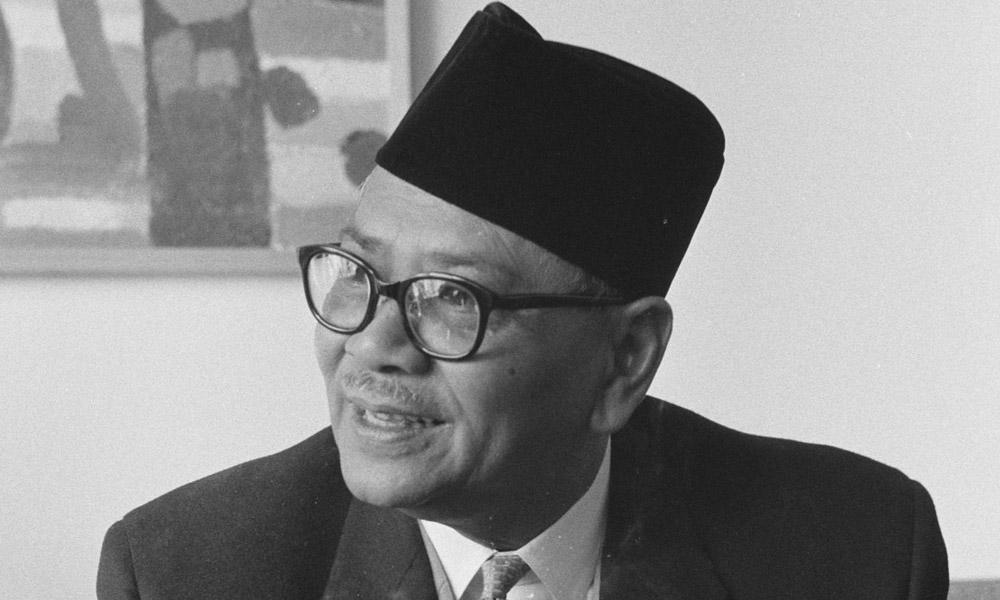
Tunku himself reportedly believed that Harun, Mahathir, and Ghazali Shafie had conspired with then-deputy prime minister Abdul Razak Hussein to remove him from office.
Historian Cheah Boon Kheng argued that although the transition from Tunku to Abdul Razak was formally constitutional, it possessed many characteristics of a “coup”. Journalist Subky Latiff went further, describing May 13 as “a form of coup d’état directed against Tunku”.
Whether fully orchestrated or opportunistically exploited, the riots undeniably transformed the balance of power within Umno. The Tunku’s authority effectively collapsed after May 13, even though he remained prime minister until September 1970.
The outbreak of violence
The violence erupted on the evening of May 13, 1969.
A crowd estimated at between 4,000 and 5,000 Malays had gathered along Jalan Raja Muda near Harun’s residence in Kampung Baru. Many were armed. Around 6.30pm, violence broke out and quickly spread across Kuala Lumpur.
Chinese motorcyclists and passers-by were among the first victims. Eyewitnesses later recalled that some were attacked and killed near the gathering point itself. One victim reportedly included a young Chinese boy delivering drinks from a nearby coffee shop.
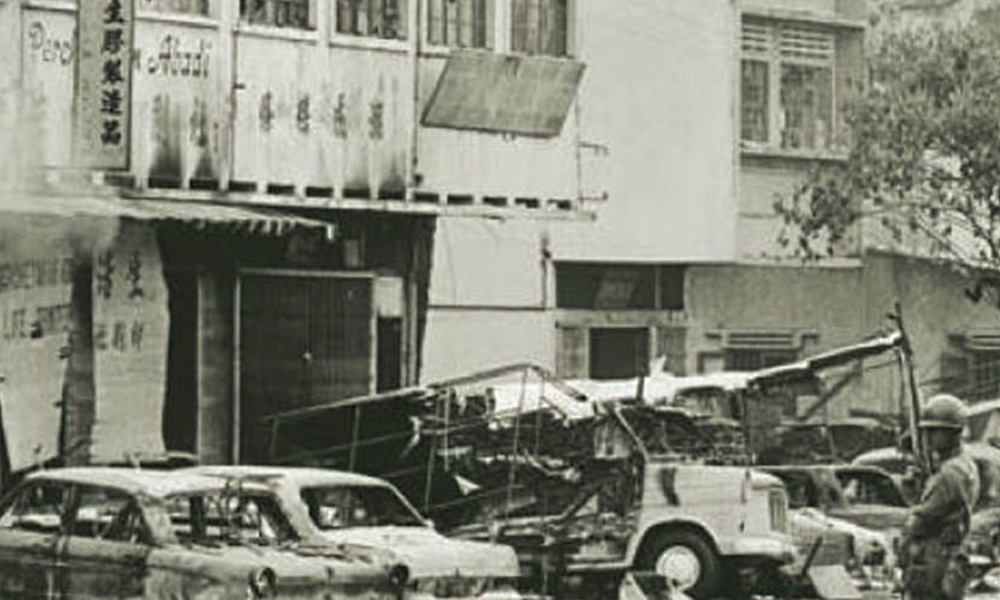
From Kampung Baru, Malay groups moved into surrounding areas, attacking Chinese neighbourhoods, burning shops and houses, looting property, and assaulting civilians. Violence spread to Jalan Campbell (now Jalan Dang Wangi), Batu Road (now Jalan Tuanku Abdul Rahman), Cheras, Kampung Pandan, and other parts of the city.
Cars, buses, and buildings were set ablaze. Panic engulfed Kuala Lumpur.
Chinese secret society groups reportedly retaliated in certain areas, attacking Malays and attempting to burn the Umno headquarters on Batu Road.
However, the violence was highly uneven. Most evidence suggests that the Chinese community suffered disproportionately, particularly during the early stages of the riots.
A curfew was declared at 8pm, but it initially failed to restore order.
Security forces and controversy
Troops and police were deployed to contain the violence. A shoot-to-kill order was later authorised.
Yet, the conduct of the security forces became deeply controversial. Several eyewitnesses, foreign correspondents, and scholars alleged that some units of the Royal Malay Regiment displayed bias against Chinese civilians.
Former colonial police officer John Slimming wrote in his book “Malaysia: Death of a Democracy” (1969) that police generally behaved more impartially than sections of the army. Foreign journalists reported incidents of troops firing into Chinese shophouses and shooting residents.
Distinguished Southeast Asian historian Anthony Reid, who volunteered during the crisis, later stated bluntly: “The military had proven that it could not be impartial, that they were shooting the Chinese.”
Statistics from the NOC itself reinforced perceptions that the Chinese community bore the brunt of the violence. Chinese victims accounted for roughly three-quarters of those officially killed and two-thirds of those injured. Chinese casualties from gunfire also far exceeded Malay casualties.
Eventually, the government deployed the Sarawak Rangers – widely regarded as a more neutral force – to help restore order.
Deaths and destruction
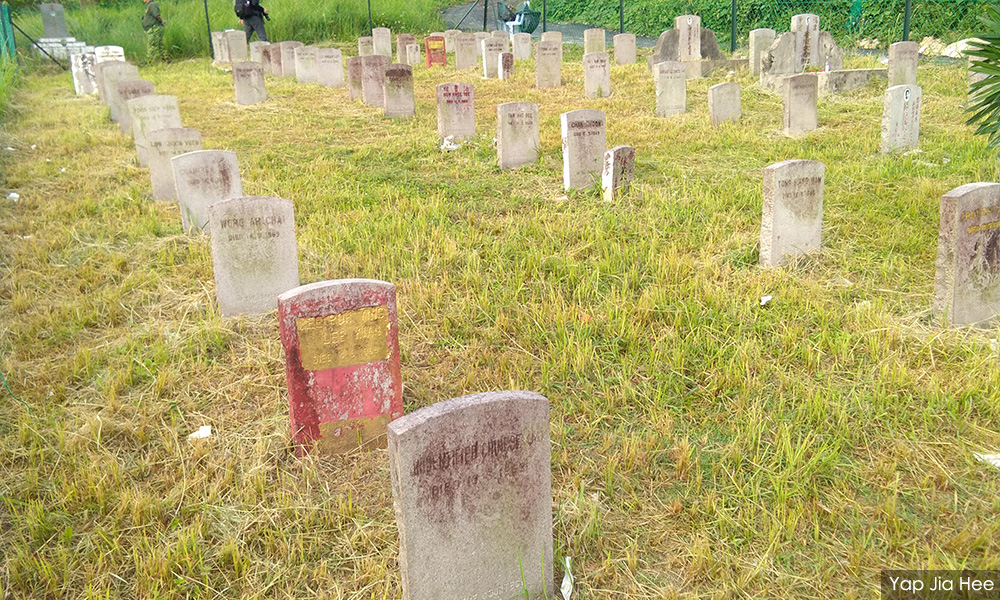
The official death toll stood at 196: 143 Chinese, 25 Malays, 13 Indians, and 15 individuals of other ethnicities.
However, many scholars, journalists, and diplomats believed the actual number was far higher. Slimming estimated that around 800 people may have died in the first week alone.
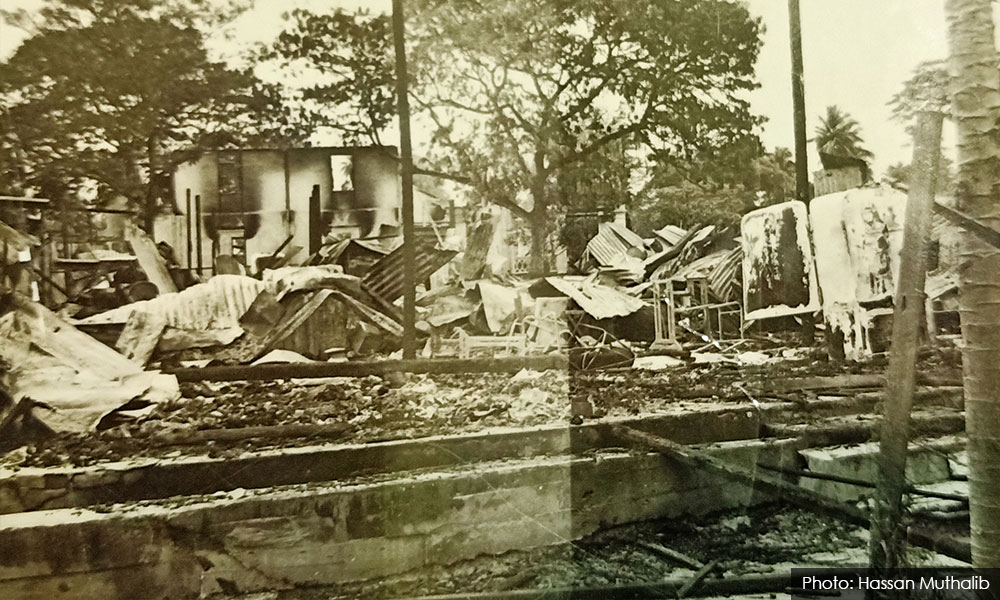
Thousands were displaced. Around 6,000 Kuala Lumpur residents – about 90 percent of them Chinese – became refugees after their homes were burned or destroyed. Temporary shelters were established at Merdeka Stadium, Chin Woo Stadium, and other locations.
Yet amid the horror, there were also examples of humanity. Some Malays sheltered Chinese neighbours, while some Chinese protected Malays. These acts demonstrated that communal relations during the crisis were not uniformly hostile.
Emergency rule and the fall of Tunku
On May 15, 1969, a nationwide state of emergency was declared.
Parliament was suspended indefinitely, and executive authority was transferred to the NOC, headed by Abdul Razak. Strict censorship was imposed, political debate curtailed, and public assemblies banned.
In practice, Abdul Razak emerged as the country’s most powerful figure. Tunku’s political authority steadily eroded, and he resigned in September 1970.
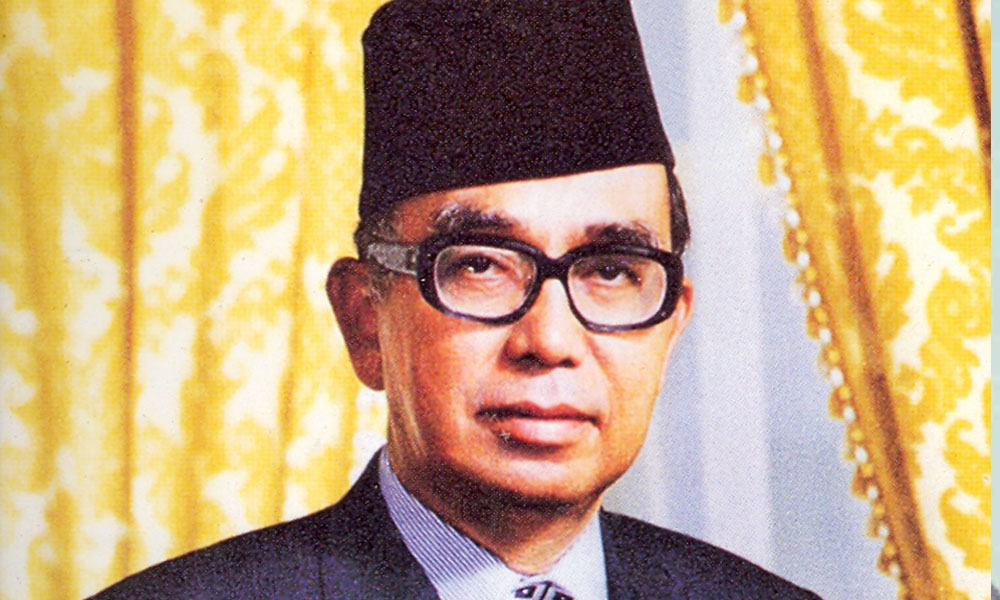
The post-May 13 political order marked a decisive turning point. Umno’s leadership became more assertively Malay nationalist, and the state increasingly prioritised policies aimed at strengthening Malay political and economic dominance.
The lasting impact
The most significant long-term consequence of May 13 was the introduction of the New Economic Policy (NEP) in 1971.
Officially aimed at national unity, poverty eradication, and reducing economic disparities, the NEP sought to restructure Malaysian society so that race would no longer be identified with particular economic functions.
In practice, it introduced extensive affirmative action policies favouring Malays and other bumiputera communities in education, employment, and business opportunities.
The NEP undeniably expanded the Malay middle class and increased bumiputera participation in higher education and corporate ownership. However, critics argue that it also entrenched race-based politics and fostered dependency, patronage, and ethnic polarisation.
At a deeper ideological level, May 13 strengthened the doctrine of ketuanan Melayu or Malay political supremacy. Within Umno discourse, the riots became a powerful justification for preserving Malay dominance as essential for national stability.
A tragedy that still shapes Malaysia
More than five decades later, May 13 remains politically sensitive and emotionally charged. Competing narratives persist. For some, it was fundamentally a racial explosion triggered by provocation and communal tension. For others, it was also a political crisis manipulated by elites seeking power.
What is beyond dispute is that the tragedy exposed the fragility of Malaysia’s interethnic relations and the dangers of communal politics. It demonstrated how economic inequality, political insecurity, inflammatory rhetoric, and elite power struggles can combine with devastating consequences.
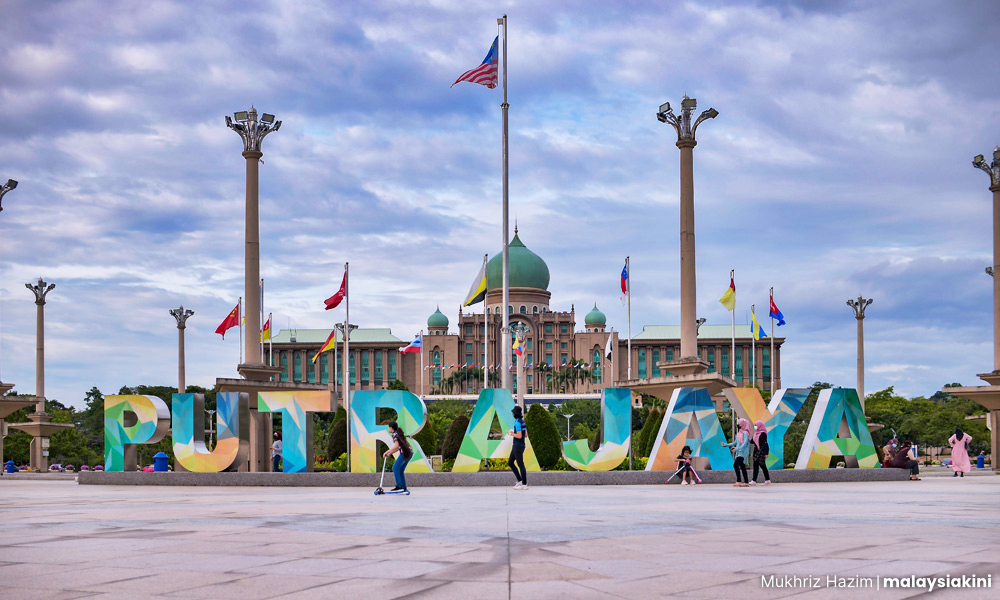
May 13 should therefore not merely be remembered as a warning about racial hatred. It should also be understood as a cautionary lesson about political manipulation, fear-driven nationalism, and the destructive consequences of exploiting communal anxieties for power.
Ultimately, Malaysia’s long-term stability cannot rest on dominance, suspicion, or racial insecurity. It depends instead on justice, inclusion, constitutionalism, mutual respect, and a genuine commitment to a shared national destiny. - Mkini
RANJIT SINGH MALHI is an independent historian who has written 19 books on Malaysian, Asian, and world history. He is highly committed to writing an inclusive and truthful history of Malaysia based upon authoritative sources.
The views expressed here are those of the author/contributor and do not necessarily represent the views of MMKtT.

No comments:
Post a Comment
Note: Only a member of this blog may post a comment.