


An economic adviser to the Prime Minister's Office has expressed concern that the public is not responding seriously enough to an impending economic crisis due to the West Asia conflict.
However, various experts told Malaysiakini that the public's response is due in part to how the government has crafted its messaging about the crisis.
Speaking in a BFM interview which aired yesterday, Nurhisham Hussein, the senior director of economy and finance at the Prime Minister’s Office, juxtaposed the current situation with how Malaysia was just before the Covid-19 pandemic struck.
"I feel like we're in February 2020, the virus is just about to hit, we're hearing all this news, everything's going on normally, but next month we are in a major crisis.
"And while I won't say that this is something as dramatically impactful as that was, I do get the same feeling in the sense that we were taking - well, I won't say taking this lightly - but people are just going on and not changing their behaviours," he said.
He added that this is why he is giving interviews, to raise public awareness about the situation.
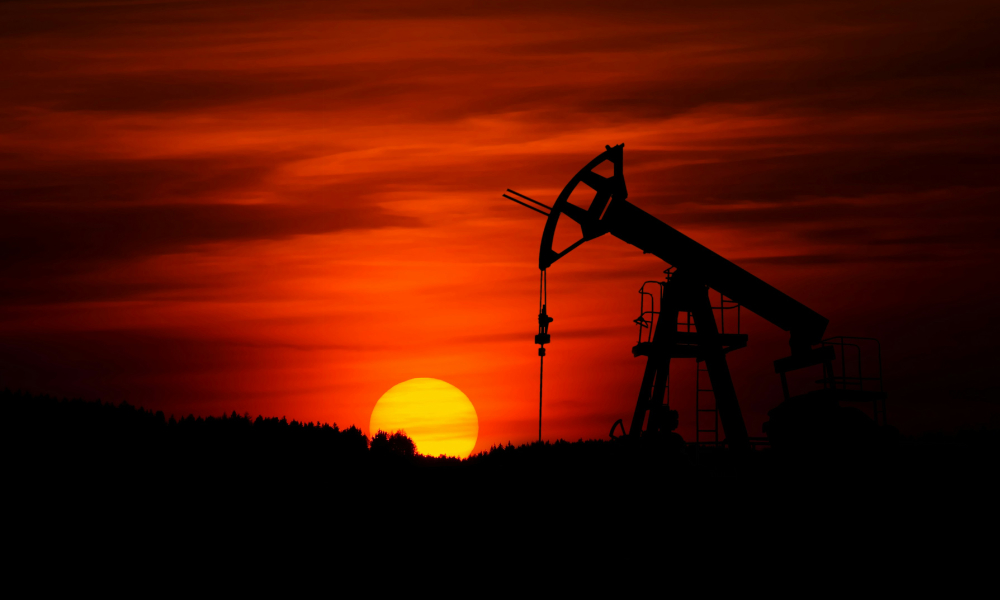
Nurhisham (above) warned, among others, that local oil supply may not return to normal until late this year or even 2027, even if the war were to end soon.
This is because it takes months for the supply chain and oil well operations to recover.
In the meantime, he said manufacturers could begin stopping production in the next month once they run out of raw materials.
This, in turn, will lead to workers having fewer shifts and reduced overtime.
The Edge reported that more than two-thirds of manufacturers are grappling with worsening supply conditions due to the prolonged West Asia conflict.
It cited the Federation of Malaysian Manufacturers as saying the most affected inputs include petrochemicals, industrial chemicals, metals, and packaging materials.
Confusion and panic
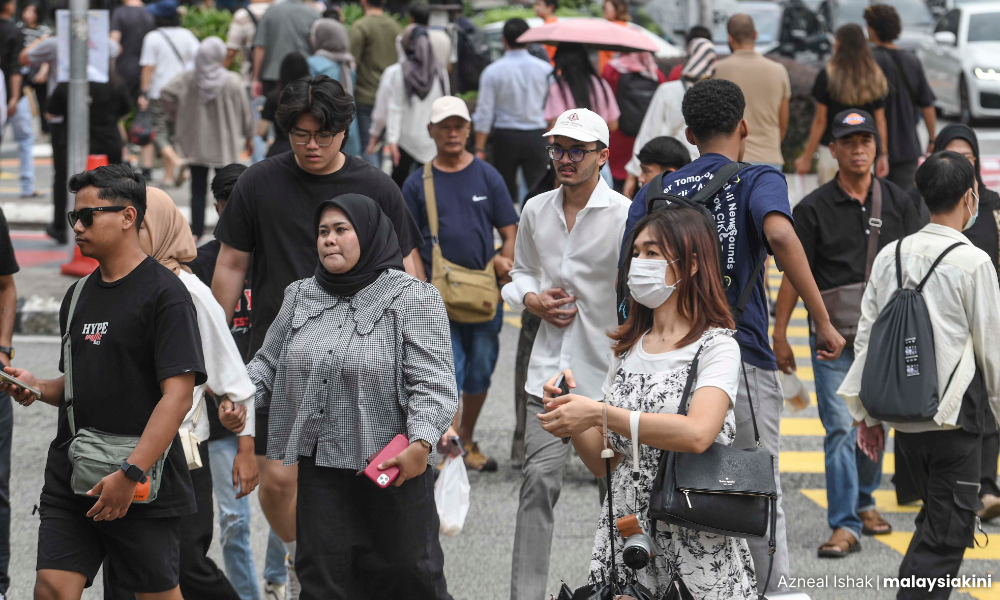
When asked to comment on Nurhisham's remarks, public policy analyst Kamles Kumar said the problem with the public's response to the looming crisis is tied to how the government has been communicating the problem.
"For months, the public has been reassured that supply is sufficient. That message has shaped consumer behaviour in one direction.
"Asking Malaysians to abruptly adjust course now, without clear guidance or a credible transition plan, risks triggering confusion and panic," the Asia Group Advisors associate director told Malaysiakini.
"June is only weeks away, yet there is still little clarity on what households and businesses should expect or how they should prepare," he added.
He said there's also a structural gap, with there being no visible mechanism to help Malaysians, including businesses, weather and navigate a prolonged energy shock.
Mixed signals
Economist Samirul Ariff Othman expressed similar views, saying that while it is understandable that the government wants to avoid triggering public panic, there are mixed signals about what the situation is like.
He said the government's continued assurance about short-term fuel sufficiency, for example, can be interpreted either as the situation being under control or an implicit acknowledgement that supply is insecure after that point.
"Malaysia may indeed have sufficient reserves and procurement arrangements in the immediate term. But that does not necessarily mean the broader system is immune to prolonged shipping disruptions, insurance cost escalation, refining bottlenecks, global inventory tightening, subsidy stress, and imported inflation.
"The government could perhaps communicate more effectively by framing the situation as 'manageable but structurally fragile'.
"That would better explain why there is no need for panic today, while simultaneously stressing that behavioural adaptation and resilience planning are still necessary," the Universiti Teknologi Petronas adjunct lecturer said.
However, Samirul noted that the government's messaging is shifting to reflect the reality that the current risk environment is no longer just about price volatility, but is about systemic supply-chain vulnerability.
Public Relations Practitioners Society of Malaysia chairperson P Kamalanathan said that if the public's behaviour is not changing, the government needs a communication strategy that is more relatable, transparent, and aligned across all government channels.
"In any crisis, consistency and clarity are critical. Mixed messaging can dilute public understanding.
"People need to hear not only that supplies are stable, but also why responsible consumption and economic discipline are necessary during uncertain times," the former deputy education minister told Malaysiakini. - Mkini

No comments:
Post a Comment
Note: Only a member of this blog may post a comment.