


Prime Minister Anwar Ibrahim has called on the peace-loving majority to speak up against narratives of hatred and slander being propagated by a minority group against society in the country.
He said the current situation appeared to reflect a “tyranny of the minority”, where a small group of loud, angry individuals who spread slander was attempting to impose their will on the majority of the people.
“Now, it is the noisy minority - angry, cruel, stirring up emotions. They gather, sow hatred, spread slander, and instil fear in others.
“This seems like a tyranny of the minority. The oppression and cruelty of a small group forcing the larger group (majority).
“I take this opportunity to appeal… the time has come for the majority to speak from their conscience to save our country and advance together,” he said in his keynote address at the Madani Harmony Discourse in conjunction with Wesak Day today.
Also present were Transport Minister Anthony Loke, who is also co-chairperson of the discourse organisers, Minister in the Prime Minister’s Department (Federal Territories) Hannah Yeoh, and Malaysian Buddhist Consultative Council (MBCC) president Lillian Chang.
According to Anwar, since the formation of the nation under the leadership of the first prime minister Tunku Abdul Rahman, Malaysia has been built on the foundation of “unity enhances strength”, recognising the reality of racial and religious diversity.
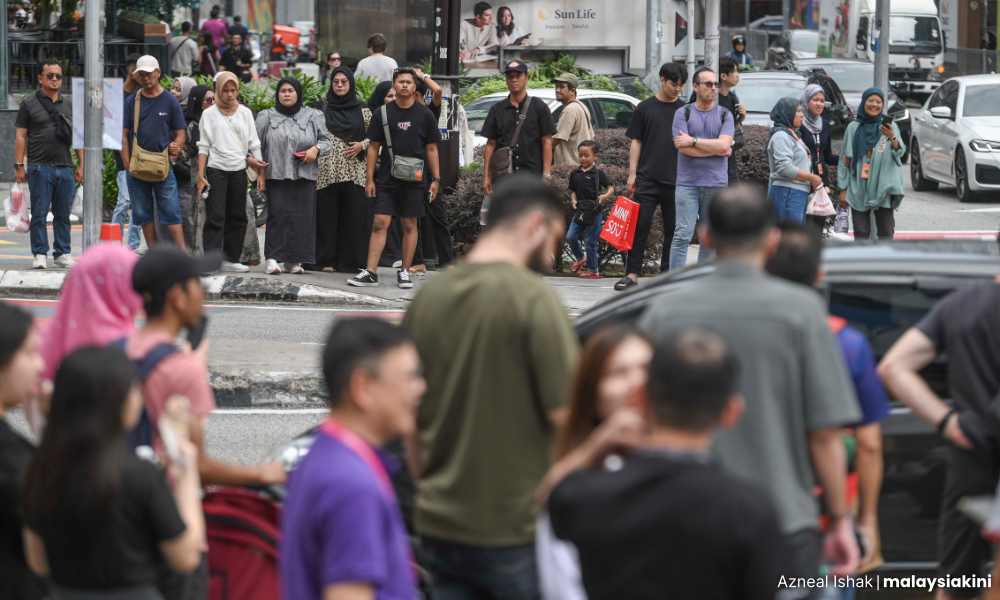
He said that although the Malay and bumiputera communities form the majority and Islam is enshrined as the religion of the federation in the Constitution, the country continues to be developed based on mutual respect and appreciation for one another.
“Within the framework of Malaysia Madani, we are not charting something new, but continuing the agenda set by the founding fathers of the nation,” he said.
‘Values, ethics’
In this regard, Anwar said national development should not focus solely on technology, digitalisation, and innovation, but must also be grounded in values, ethics, and conscience rooted in religious teachings.
He stressed that the concept of love and compassion found in all religions must be translated into daily life, rather than replaced with hatred and division.
At the same time, Anwar said current challenges also stem from a lack of understanding, leading to hasty judgments, including the use of religious sentiments on social media and in the political arena to sow hatred.
Commenting on issues of social and economic justice, Anwar stressed that he fully supports efforts to help bumiputera who are still poor, but at the same time, assistance must be channelled to all needy Malaysians regardless of race.
He said the country must help the needy as one large family while also having the courage to acknowledge weaknesses, including issues of corruption and misappropriation involving tens of billions of ringgit.
The prime minister also stressed that the government will continue to respect and support Wesak Day celebrations in the years ahead.
The discourse, jointly organised by the Transport Ministry and MBCC, brought together about 1,000 participants from various backgrounds, including religious figures, academics and community representatives - with a focus on interfaith dialogue, community service, and values-based economic development.
Platform to strengthen unity
Earlier, Loke, in his speech, said the government had allocated RM2.5 million for the organisation of the discourse programme, including outreach activities nationwide through organisational networks.
He said the programme served as an important platform for strengthening national unity and supporting the vision of an inclusive Malaysia.
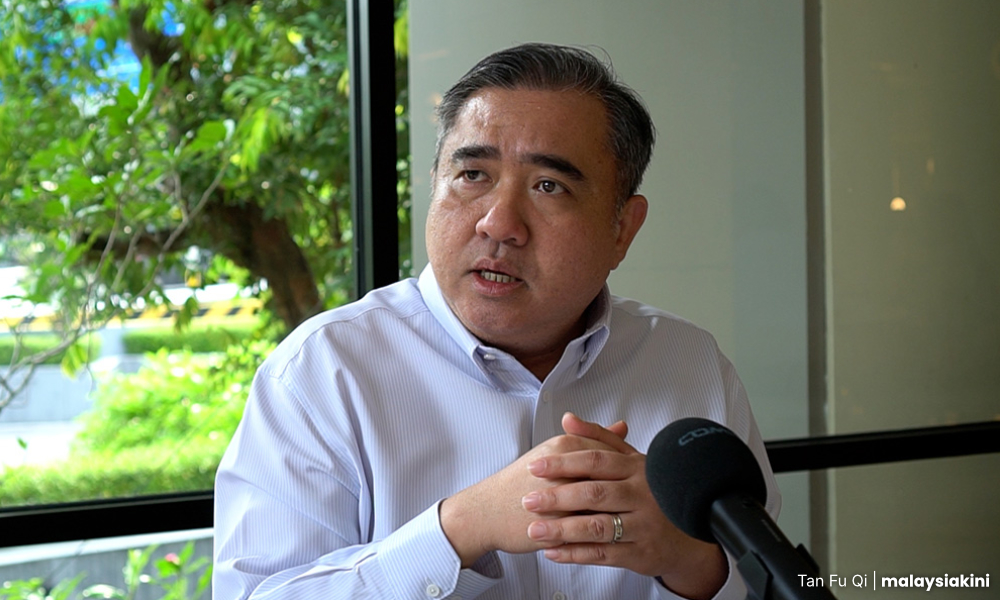
Loke also described it as a first in the nation’s history, with the government directly involved at the national level in conjunction with a major festive celebration, while emphasising values such as honesty, responsibility, and kindness as the foundation of a progressive society.
“The prime minister’s presence at this programme sends a clear message regarding the government’s commitment to the nation’s inclusive agenda and the building of a society based on shared values,” he said.
- Bernama

No comments:
Post a Comment
Note: Only a member of this blog may post a comment.