


Residents of Batu Arang in Rawang, Selangor, have called on the Department of Environment (DOE) to hold a town hall session to explain its repeated rejection of the environmental impact assessment (EIA) on a proposed waste-to-energy (WTE) incinerator.
Resident spokesperson Lai Wai Ming said a letter requesting the dialogue was submitted to the department yesterday.
In the letter sighted by Malaysiakini, Lai stressed that direct engagement with residents would strengthen public confidence in the DOE, as clarification from officials could help address concerns surrounding the project.
According to Lai, a check of the DOE’s EIA portal showed that the environmental assessment for the proposed Sultan Idris Shah Green Energy Plant had been submitted five times between April last year and April this year.
“This cycle of repeated submissions and rejections has raised growing concerns and uncertainty among the affected communities, particularly in Batu Arang and surrounding areas, regarding the substantive environmental and regulatory compliance issues underlying the decision,” he said.
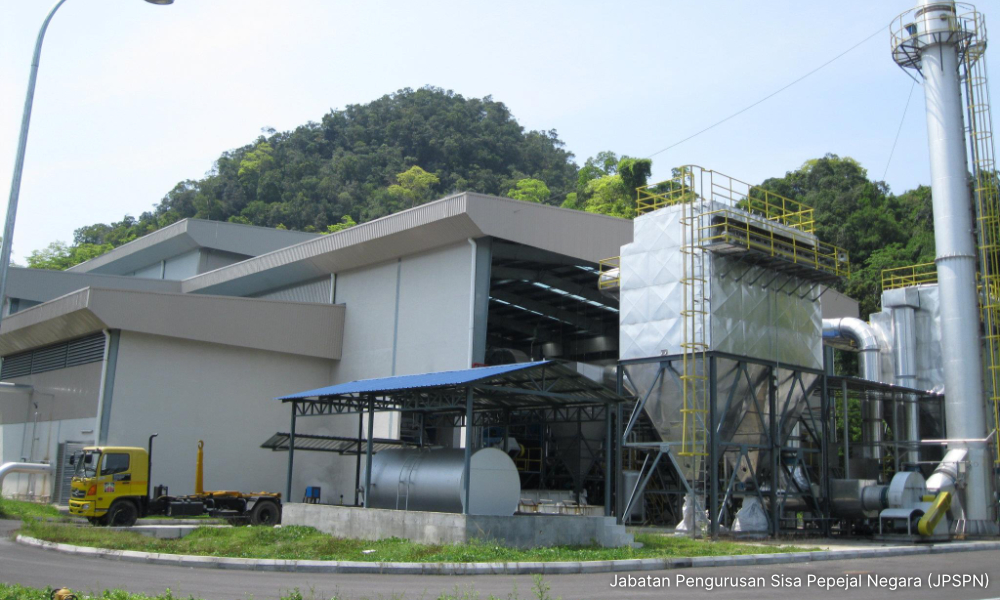
Lai said residents were seeking a formal town hall session to obtain an explanation for the repeated rejection of the EIA reports and an update on the status of the project’s application.
“It will also help address public concerns and reduce inaccurate information about the project,” he added.
The proposed incinerator in Rawang is one of several such plants approved by the Selangor state government.
Batu Arang residents have opposed the project over health, safety, and environmental concerns.
This includes the town’s geographical structure due to its location on former open-cast coal mines, which Rawang Tolak Incinerator Network (RTI) previously said makes the land unstable and poses a risk of collapse.
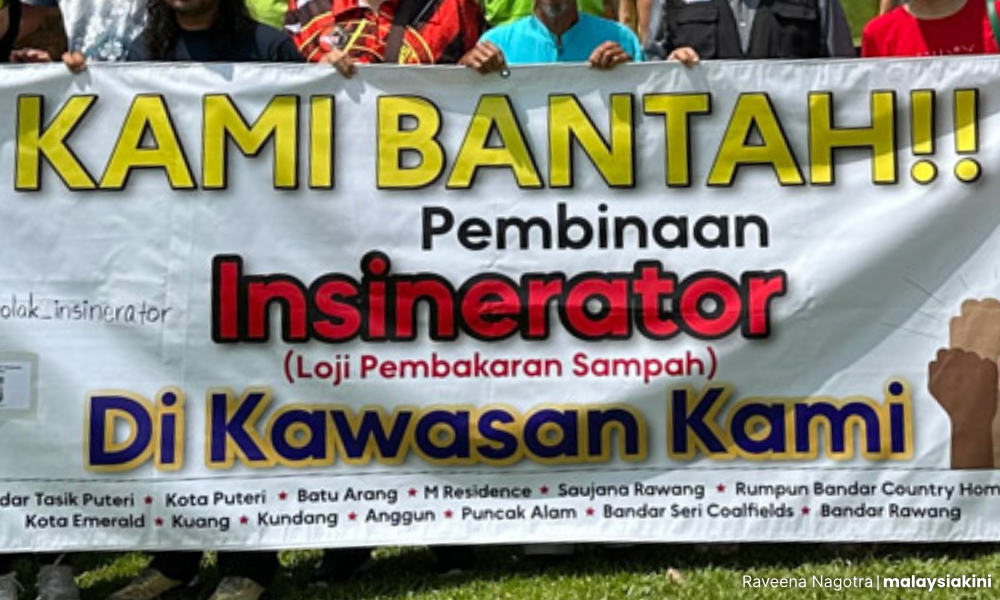
RTI had also said there were coal seams about 50km long under Batu Arang, and a waste-to-energy plant opens the possibility of fire or an explosion.
‘Why repeated rejection? Why project allowed to resubmit?’
In a separate statement, Lai stressed that EIA reports are not merely technical documents but serve as assurances that environmental, public health, waste management, pollution, and community-related risks have been adequately assessed before a project proceeds.
“When an EIA is repeatedly rejected, it is reasonable for the public to ask: What are the underlying issues? Have significant environmental concerns remained unresolved?
“Why is the project allowed to be resubmitted repeatedly? Are there limits to the number of resubmissions permitted under existing regulations?” he questioned.
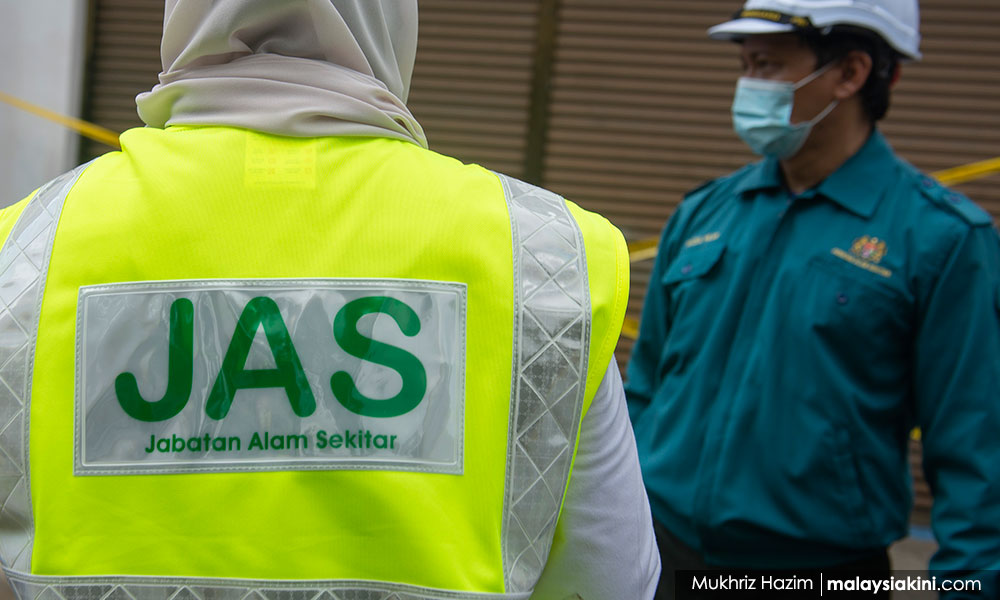
He argued that communities directly affected by such projects have the right to understand if regulators have identified any potential environmental issues and to receive accurate information from authorities.
In March, RTI urged the Selangor state government and the DOE to completely scrap the project after the rejection of a third EIA report.
Citing a Parliamentary response by the Natural Resources and Environmental Sustainability Ministry, the group said DOE had previously rejected the project twice due to deficiencies in environmental and geological risk assessments. - Mkini

No comments:
Post a Comment
Note: Only a member of this blog may post a comment.