


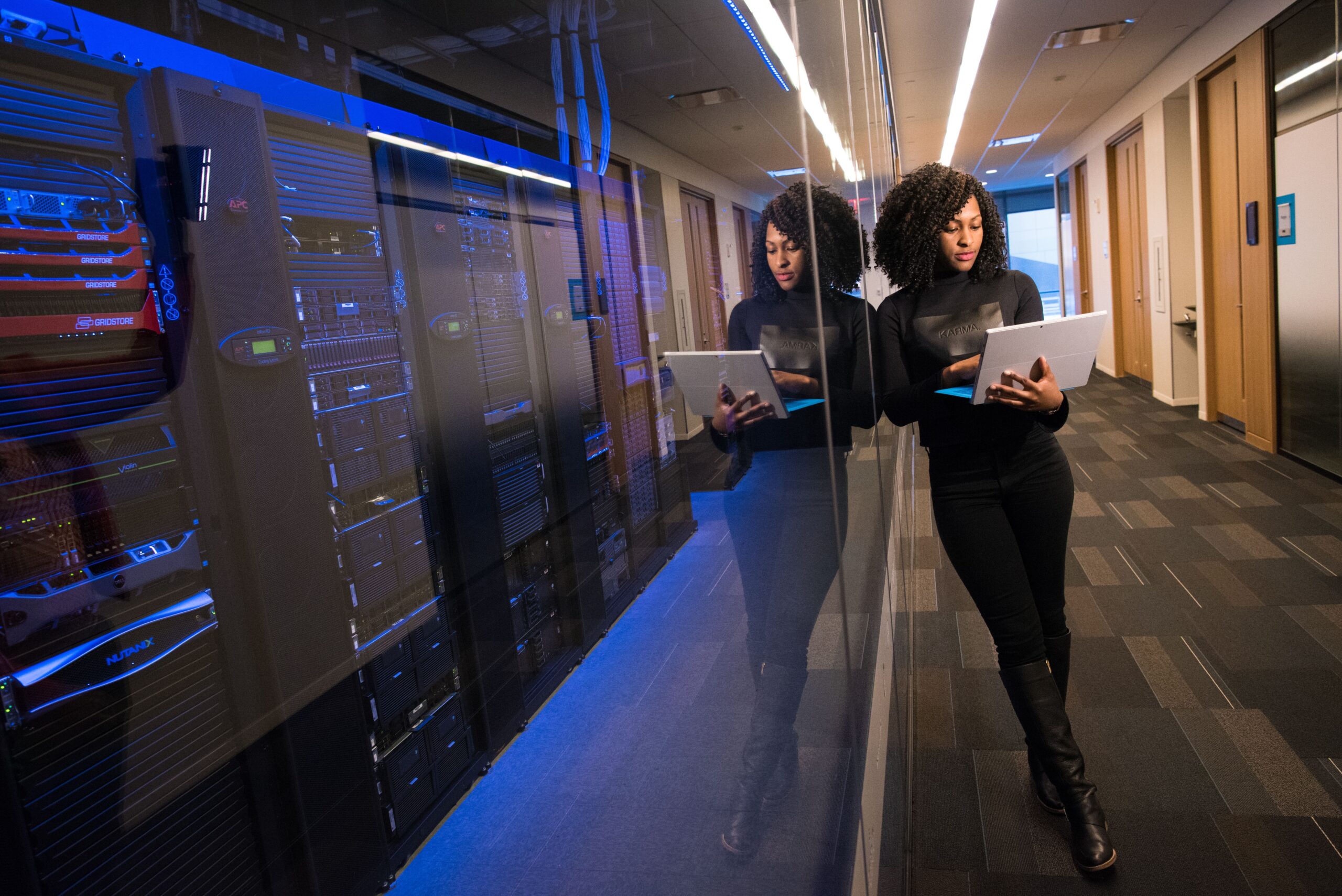
MALAYSIA is fast becoming Southeast Asia’s data centre hub. Billions of ringgit in foreign investment are flowing into Johor, Selangor and the Klang Valley as global technology companies expand their cloud computing and artificial intelligence infrastructure. On paper, it looks like a success story.
But an important question remains: are we building a digital economy, or simply leasing our land to foreign technology companies?
Owning the land beneath foreign-owned servers is not the same as owning our digital future.
True digital sovereignty means having the ability to control, secure and benefit from our own digital infrastructure, data, artificial intelligence capabilities and cybersecurity ecosystem.
Technology should strengthen Malaysia’s long-term competitiveness, not create new forms of dependence on foreign corporations.
Malaysia’s strategic location, reliable infrastructure and investor-friendly policies have undoubtedly made it an attractive destination for data centre investments. These are genuine strengths. However, attracting investment should be viewed as the starting point rather than the end goal.
We must also recognise the trade-offs. Data centres consume significant amounts of electricity and water while occupying valuable land.
If they rely heavily on fossil fuels or compete with local communities for water resources, the environmental costs will ultimately be borne by Malaysians. Economic development should always be balanced with sustainability and public welfare.
The bigger challenge, however, is intellectual rather than physical.
Malaysia cannot be satisfied with hosting foreign servers while continuing to import artificial intelligence models, software platforms and digital expertise. Genuine digital sovereignty requires building local AI capabilities, strengthening domestic software companies, developing semiconductor talent, investing in cybersecurity innovation and significantly expanding research and development.
Equally important is the protection of data. Government records, healthcare information, financial transactions and other strategic national databases require strong governance and robust cybersecurity.
Data has become one of the world’s most valuable assets, making its protection a matter of national security rather than simply information technology policy.
None of this will be possible without a highly skilled workforce. Universities should continue expanding programmes in artificial intelligence, cloud engineering, cybersecurity, semiconductor design and digital ethics.
Technical and vocational education institutions must also equip young Malaysians with practical skills needed to support and innovate within the digital economy.
Energy policy should evolve alongside digital expansion. New data centres should maximise renewable energy, improve energy efficiency, recycle cooling water and minimise their environmental footprint. Green data centres should become the industry standard rather than the exception.
Malaysia must also ensure that local companies share in the opportunities created by this investment boom. Government incentives should not only attract multinational corporations but also support Malaysian technology companies, AI startups and innovative entrepreneurs.
A vibrant domestic technology ecosystem will create higher-value jobs while reducing long-term dependence on imported technologies.
Strong governance will be equally important. Clear policies on artificial intelligence ethics, cybersecurity, cross-border data flows and critical digital infrastructure are essential to maintaining public trust while supporting innovation.
These policies should be coordinated across government rather than developed in isolation.
Malaysia has every opportunity to become a respected digital nation. However, success should not be measured simply by the number of data centres built or the value of foreign investment secured.
It should be measured by whether Malaysians develop the knowledge, own the technology, safeguard the data and share in the prosperity generated by the digital economy.
The 21st century will belong not to countries that merely host technology, but to those that create, govern and apply it to advance their national interests. Malaysia should aspire to be more than Southeast Asia’s server farm.
It should become a nation defined by digital sovereignty, where innovation, sustainability, security and resilience advance together.
The digital revolution is already underway. The question is whether Malaysia will shape its own digital future or allow others to shape it instead.
KT Maran is a Focus Malaysia viewer.
The views expressed are solely of the author and do not necessarily reflect those of MMKtT.
- Focus Malaysia.

No comments:
Post a Comment
Note: Only a member of this blog may post a comment.