

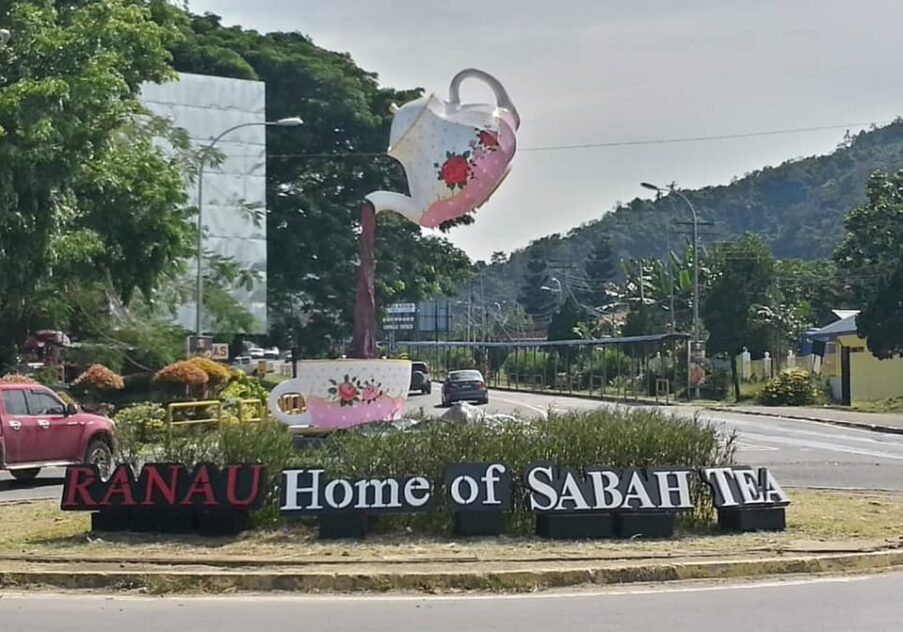
THE main towns from Kota Kinabalu to Mount Kinabalu are Pekan Nabalu, Kundasang, and Ranau.
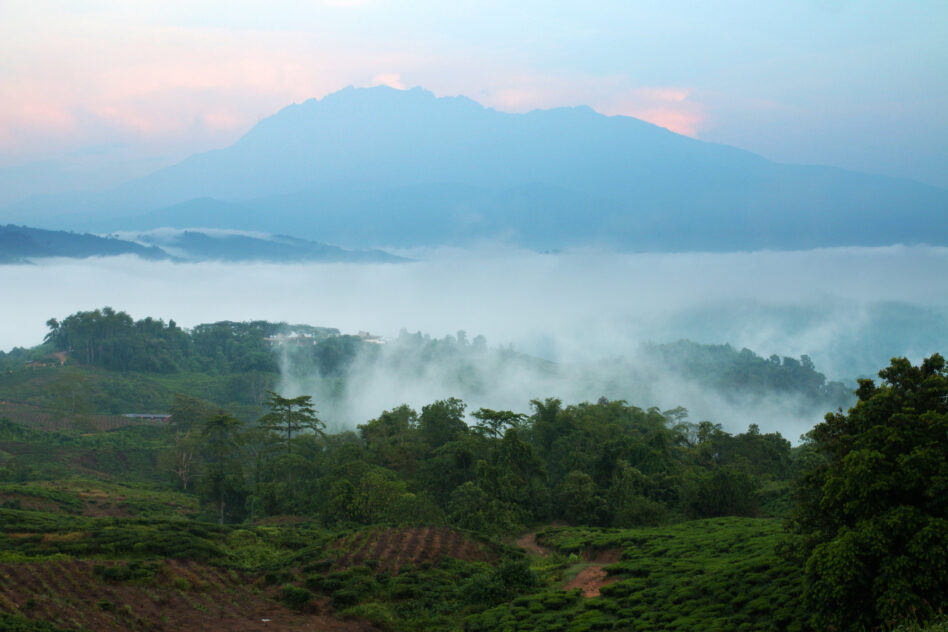
Climbers preparing to scale prefer to stay overnight at Kundasang with a much higher altitude than Ranau, giving them the first chance to adjust to air that gets thinner the higher they climb up the tallest mountain in Southeast Asia.
Climbers are laser focused to either reach the base camp in one day or to the summit on the second day. Therefore, Ranau is not on their radar, which is dwarfed by the majestic mountain, lying quietly under its shadow.
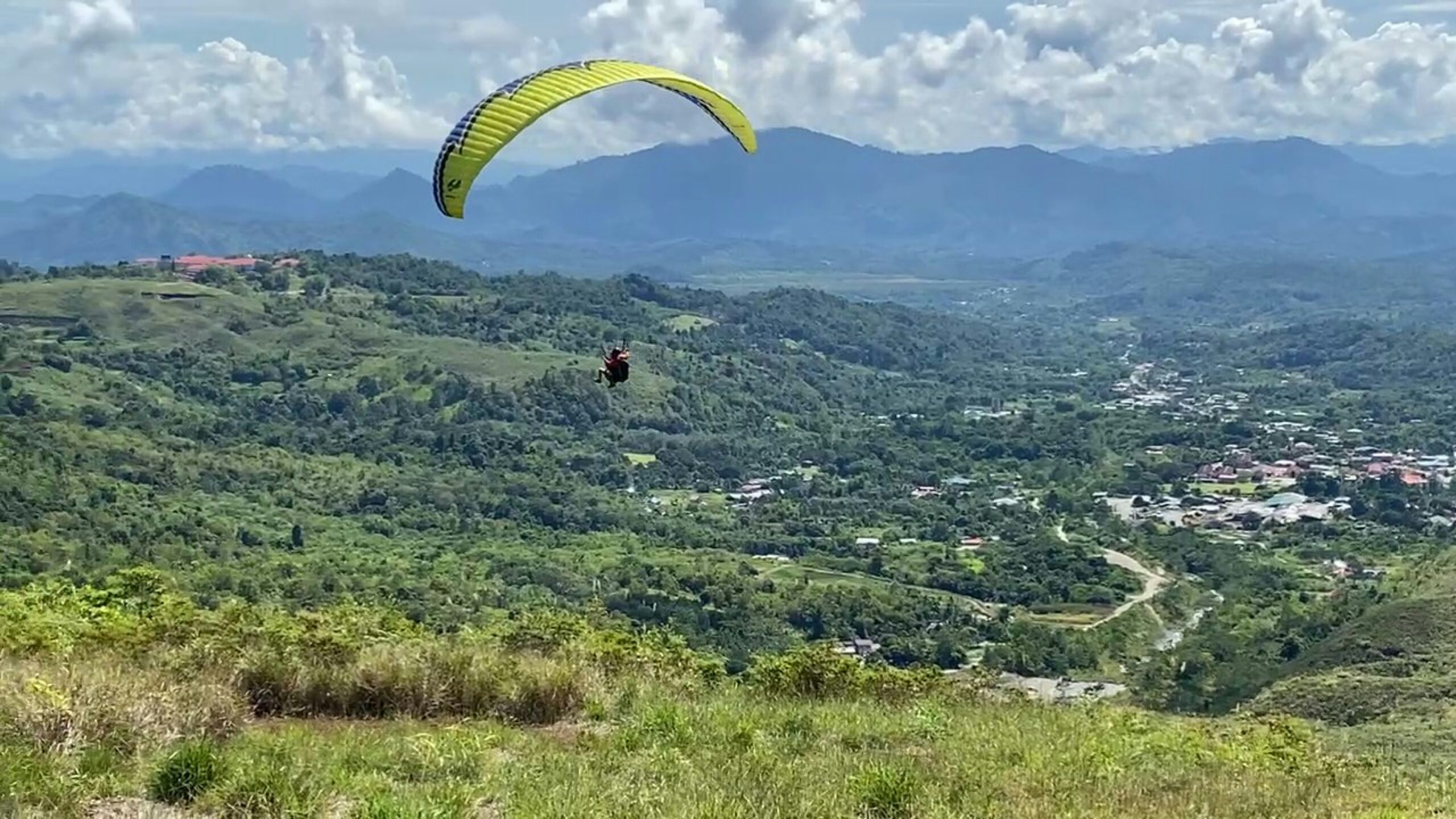
Hence, the huge tourism potential of Ranau has remained largely untapped. Instead of sweating in sweltering heat in the city or at the lowlands, visitors get to enjoy cool mountain air at 1,176m above sea level in Ranau. Here, the sight of sprawling tea plantations and Fresian cows grazing in the open can make one’s spirit soar.
Other than highland agriculture and natural attractions, Ranau is home to a majority Dusun ethnic community and is the site of Nunuk Ragang, the traditional ancestral home of the Kadazan-Dusun people.
Those trying to get the locals to benefit from tourism and not remain bystanders are likely to take the traditional approach.
But compiling a list of current attractions and new activities in Ranau can be endless, and merely listing all of them may not draw more visitors.
It is similar to the many precious minerals in the ground, including gold, that can be found everywhere, but mining them would not be worthwhile, as costs are much higher than the yield.
Tourism promotions should rely more on the greatest reach than traditional methods such as printed brochures, leaflets, posters, billboards, information centres, road shows, publicity events, campaigns, direct marketing and telemarketing, advertising and promotions online and offline, or above the line and below the line.
Efforts by government agencies in promoting natural and manmade attractions alone will not get many more visitors. It is similar to the Ministry of Agriculture and Food Security confirming that a great variety of fresh vegetables, meats and fish are easily available and affordable in the country.
Diners are more interested in where eateries are located, what kind of food is served, and how delicious or popular they are, and whether prices are reasonable. Similarly, pictures of a virgin jungle or deserted beach are often used for tourism promotions, but will not draw visitors there if access is too costly or time consuming
An efficient way to develop tourism in Ranau is to start by organising a forum at one of the hotels, or better still at the new Ranau district council office, which was opened by Deputy Chief Minister Datuk Seri Dr Joachim Gunsalam last September. He said it was built for the people and they should benefit the most from it.
But unlike normal forums where participants share and listen to new ideas and proposals for the first time, which usually end up as mostly talk and easily forgotten, a more radical approach should be adopted.
The organising committee can identify and approach at least 10 different people from diverse backgrounds to do presentations.
They can be experienced tourism lecturers or final year students, reporters or writers, service providers for transport, tours, attractions, food & beverage (F&B) and accommodation, experts in digital marketing and civilian drones, or producers from cottage industries. craftsmen of local souvenirs, and owners of large farms.
Invitees are free to introduce any idea or proposal they wish but each is given only five minutes for their presentations using slides, plus another five minutes for the Q&A.
This will ensure that their thoughts have already been crystallised and the audience has the chance to ask questions or for more useful information.
Many people may think that a physical forum is too much of a hassle, as it can easily be done in a webinar. But just like online seminars, such training is hardly effective.
If we continue to look at a superficial level believing that it is nothing more than talking, then we would not be able to pivot from stagnation to a great leap forward.
The first forum is likely to start with identifying the current and hidden opportunities in Ranau, the infrastructures that needed upgrading so that domestic and foreign free independent travellers can find their way to and around Ranau, and have facilities that can attract and house tour groups in comfort, convenience, safety and security.
Lest we forget, the popularity of TikTok exploded from the very beginning using short videos by arresting the attention of the audience.
Today, most people scroll rapidly as there is no shortage of videos, skipping long videos or clicking off immediately once it gets boring. Eventually, Ranau should have its own destination app.
And some of the best videos of any destination are captured by drone cameras. It can be a street scene, man-made structures or farms, or nature at its best. It can include both soft and hard adventures available at Ranau.
Most of all, they must capture the happiness of the locals in hosting satisfied visitors vowing to return for more.
YS Chan is master trainer for Mesra Malaysia and Travel and Tours Enhancement Course and an Asean Tourism Master Trainer. He is also a tourism and transport business consultant.
The views expressed are solely of the author and do not necessarily reflect those of MMKtT.
- Focus Malaysia.

No comments:
Post a Comment
Note: Only a member of this blog may post a comment.