


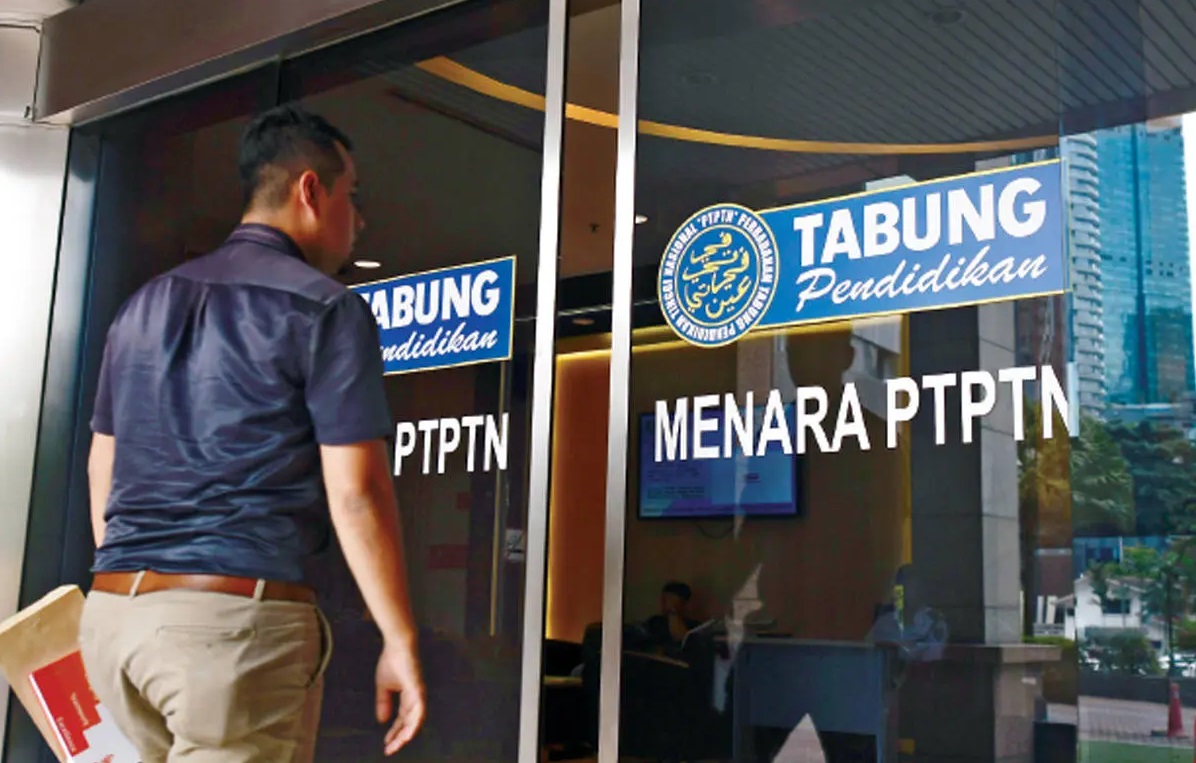
AN MCA leader has hit out at Putrajaya for maintaining a higher education policy that “discriminates against students from private tertiary institutions” despite its repeated rhetoric about “institutional reforms”, “equal opportunities” and “caring for the underprivileged”.
MCA Youth education consultative committee chairman Ong Chee Siang said the government’s continued refusal to grant National Higher Education Fund Corporation (PTPTN) loan exemptions to first-class honours graduates from private colleges and universities effectively sends a message that despite private tertiary students’ hard work they do not receive equal treatment as they did not graduate from public universities.
“The recently announced ‘New Year financial aid package’, while containing various subsidies and assistance measures, offered no meaningful relief to university students, especially those burdened by heavy PTPTN loans,” he stated.
“This has left many young adults who are still studying or have just entered the workforce feeling deeply disappointed.
“University students are the nation’s future human capital, yet they were virtually absent from the Prime Minister Datuk Seri Anwar Ibrahim’s New Year address. This is not merely a policy oversight, but a serious lapse in values that is deeply regrettable.”
Ong said to date, Anwar has not reviewed or reversed the abolition of the PTPTN loan conversion scheme for private tertiary students.
“This effectively sends a message that no matter how hard private tertiary students work, or how outstanding their academic achievements may be, they will never receive equal treatment simply because they did not graduate from public universities,” he stressed.
“Such a policy does not promote excellence; instead, it institutionalises inequality and punishes effort. The government must recognise that students who enrol in private institutions are not less capable. Many are forced into this pathway due to limited places in public universities, fierce competition for popular courses, or systemic constraints.”
According to Ong, many students from low-income families choose private tertiary education in the hope of changing their circumstances and achieving upward social mobility.
He said by denying PTPTN exemptions to first-class honours graduates from private institutions, the government is effectively stripping them of their most crucial opportunity to improve their lives.
“When a student from a B40 household has already proven their worth through academic excellence yet still has to enter society carrying tens of thousands of Ringgit in debt, it is difficult to describe such a system as fair,” he remarked.
“In reality, many outstanding students are unable to enter their preferred public university programmes including medicine, engineering, accounting and information technology—not because of a lack of ability, but due to limited places.
“They then excel in private institutions, only to be ignored by the government. This differential treatment represents a systematic denial of the hard-earned achievements by young adults.”
Lamenting that the government frequently speaks about nurturing high-quality talent but yet “implements unjust policies that push excellent students into debt and pressure”, Ong said if the government continues to cling to a rigid public–private divide in higher education, it will not only fail to resolve youth issues, but will further deepen social dissatisfaction and entrench inequality.
“The greatest victims of this policy are young adults themselves, as it limits not only their educational choices, but also their hopes for the future,” he said.
“The prime minister is urged to immediately address the long-standing injustice faced by private tertiary students, to review and reinstate the PTPTN exemption for first-class honours graduates from private institutions, and to honour promises of education reform through concrete action rather than slogans.
“If even the most hardworking and highest-achieving students are denied fair treatment, then so-called ‘reform’ will amount to nothing more than empty talk.” ‒ Focus Malaysia

No comments:
Post a Comment
Note: Only a member of this blog may post a comment.