


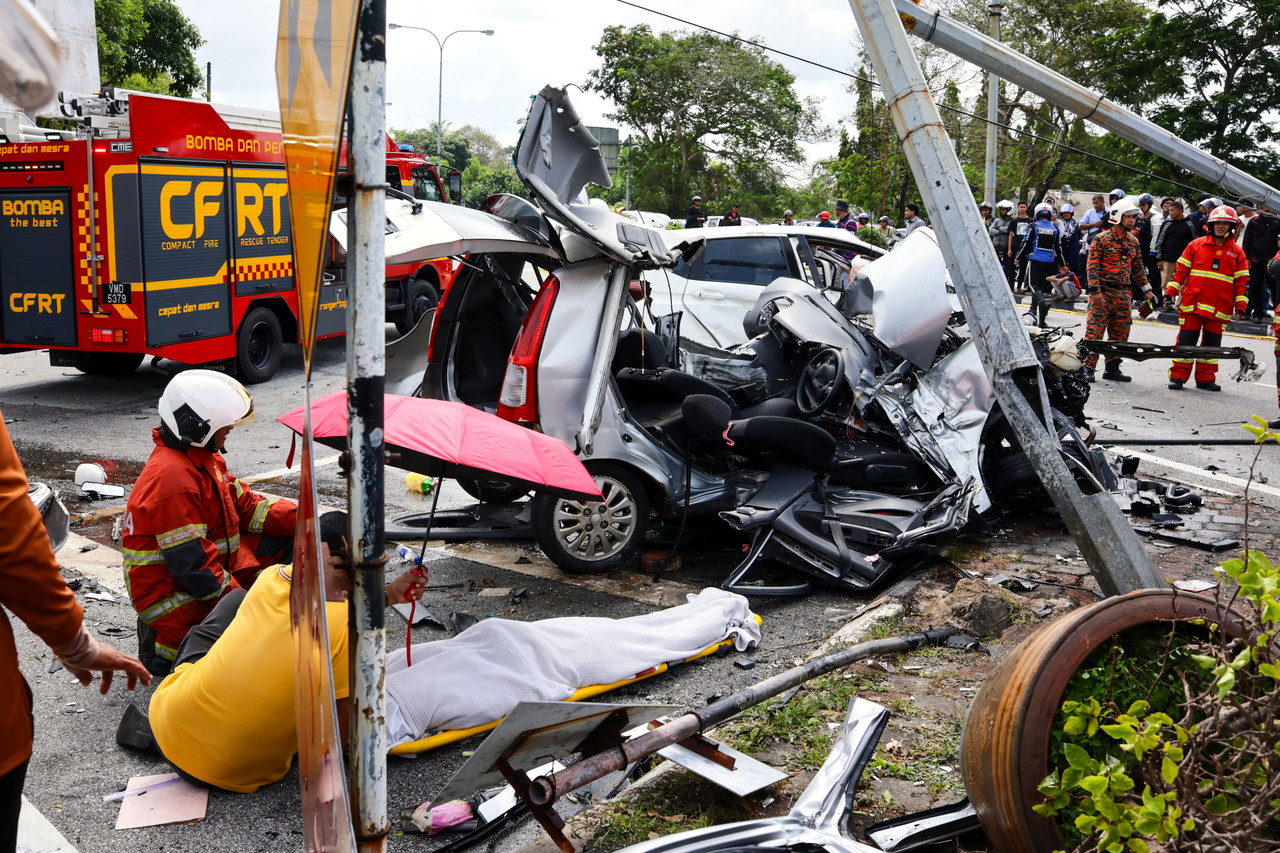
WHEN a tragic road crash happens, people naturally search for answers. We want to know what went wrong, who was at fault, and what could have prevented it.
But in the rush to explain a tragedy, we sometimes reach for labels that feel “complete” even when they are not. One label that often gets pulled into headlines is mental illness and that is where we need to slow down.
This was the case in light of a recent car accident involving a driver who was confirmed to be suffering from Major Depression Disorder (MDD) and has sought psychiatric treatment at the hospital several times since January 2025.
Mental illness should not be automatically linked to reckless driving. When a report says a person has a history of psychiatric treatment, the public can quickly jump to conclusions: “That explains it…”
Yet depression, anxiety, and other mental health conditions are common, treatable, and experienced by many people who function responsibly every day. Most individuals living with mental health challenges are neither violent nor reckless, nor are they unsafe drivers.
When we imply otherwise, we perpetuate a dangerous stereotype—and the consequences of that stereotype are real.
Safer roads need safer systems, not stigma

Stigma is not just a social issue, it changes behaviour. It makes people hide symptoms, avoid seeking help, and put off getting treatment until they are in crisis. It also encourages families to keep quiet out of shame.
When that happens, we don’t reduce risk, we in fact increase it. If our goal is truly public safety, we must not build a culture where mental health becomes something to be feared, mocked, or used to explain or justify bad outcomes in a simplistic way.
At the same time, we also understand the public’s concern, of which road safety is not a small matter. A single crash can wipe out families, traumatised survivors can carry psychological scars for years, and first responders see heartbreaking scenes that most of us cannot imagine.
Instead of labelling, we need to ask more pressing questions: What are the real risk factors behind dangerous driving, and what can we do earlier to prevent harm?
From a counselling and mental health perspective, the better question is not “Did mental illness cause this crash?”
The better question is: “What risk factors were present that may have impaired judgement, reaction time, emotional control, or decision-making?”
Risk is usually multi-factorial. It may include severe sleep deprivation, chronic fatigue, high stress, acute grief, financial strain, substance use, medication side effects, untreated symptoms, a sudden crisis, or a combination of these.
Some of these factors are psychological. Some are medical. Some are social. But they all affect the same thing, which is a person’s capacity to drive safely at that moment.
That is why we must move away from a blame-only narrative and towards a prevention and support system.
Fair, confidential, and non-punitive safety mechanisms

Malaysia already has a basic mechanism in place for this matter. In the guideline of Medical Examination Standards for Vocational Driver’s Licensing, there is a section on Psychiatric Disorders stating that a driver is not fit to drive if they have acute or chronic psychosis, are using psychotropic medication that impairs driving, have impaired cognitive function or judgement, display aggressive/violent traits, or have a significant risk of psychotic relapse.
The same document also clearly lists alcohol and drug use (dependence/abuse) as disqualifying factors, with strict conditions if reconsideration is to be made.
The common issue is that implementation is often inconsistent, overly reliant on a brief self-reported history, and lacks regular monitoring that can genuinely detect risks such as depression, extreme fatigue, work-related stress, or emotional instability factors that can fluctuate depending on shift patterns, workload, and life crises. This is also understandable as mental health status is dynamic.
It is illogical to permanently restrict someone based on a previous episode or past mental status. For example, during an acute manic episode, it may be unsafe for a person to drive; however during remission, the same person may function like anyone else.
This is precisely why policies should be conditional and time-limited, with a clear route back once the person is clinically stable.
Media reporting matters more than people realise
When psychiatric history is placed prominently in a headline, it can unintentionally imply causation even when there is no proven association. It can lead the public to fear people who are already suffering quietly. It can also misinform readers into thinking depression equals danger, or psychiatric treatment equals instability.
The World Health Organisation (WHO) has issued guidelines on responsible reporting of mental health in the media. These guidelines emphasise avoiding the sensationalisation of psychiatric labels, using precise and respectful language, refraining from speculation, and focusing on verified facts.
International guidance specific to reporting severe mental illness in the context of violence/crime warns against implying causation without evidence, and urges careful context, accurate terminology, and respect for dignity.
Let tragedy become a turning point, not a stigma amplifier
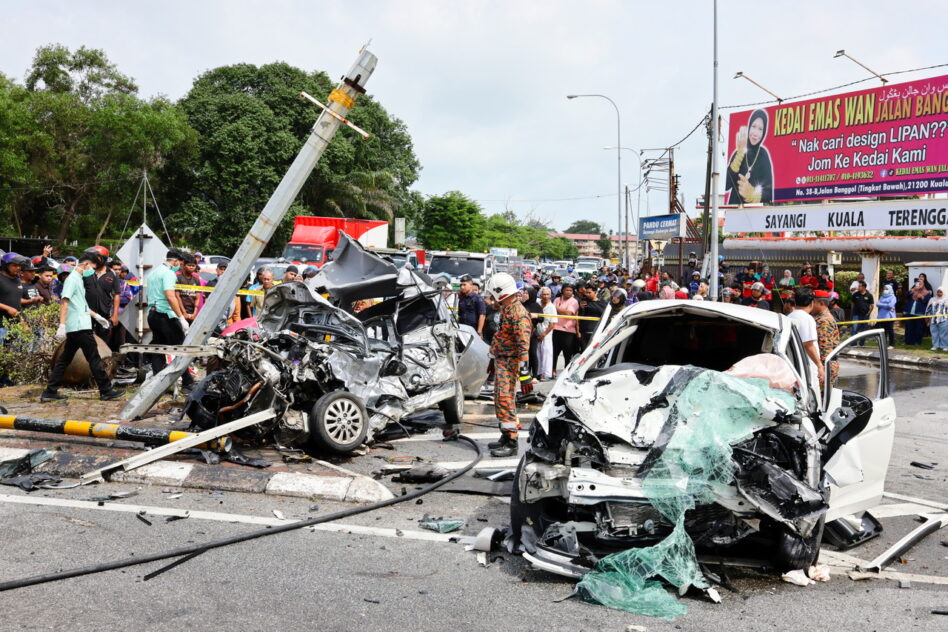
Reporting on mental health should include recovery and help-seeking narratives. WHO encourages coverage that supports prevention and promotes help-seeking behaviour.
Whenever mental health is mentioned, it is also helpful to include a simple reminder that mental illness is treatable and that help is available. Such small additions can turn a tragic news cycle into an opportunity for awareness and early help-seeking.
Most importantly, we must protect human dignity. People living with mental health conditions are our colleagues, our students, our family members—and sometimes ourselves. The goal is not to label, but to reduce suffering and prevent harm.
So let us not make mental illness the headline conclusion. Let us make prevention the headline. Let us build a society where seeking help is normal, not shameful, and where road safety is strengthened by compassion, evidence, and sound policy.
Dr Farhana Sabri is a licensed counsellor at Universiti Sains Islam Malaysia. This opinion editorial first appeared on Bernama under the title “Stop using mental illnesses as insult”.
The views expressed are solely of the author and do not necessarily reflect those of MMKtT.
- Focus Malaysia.

No comments:
Post a Comment
Note: Only a member of this blog may post a comment.