


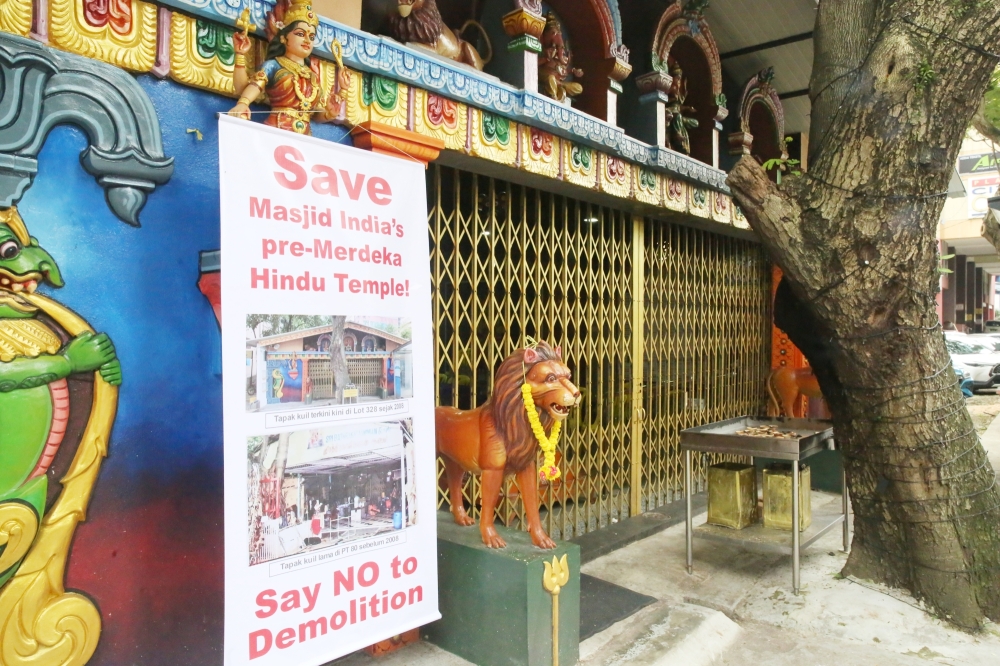
THE issue of illegally built houses of worship needs to be comprehensively looked at from the historical and contemporary perspectives to fully understand this sensitive problem.
This issue has regrettably in the last few months become very politicised and polemical to the extent of threatening the nation’s harmony. The government is hard pressed to contain this problem considering the aggressive nature of the pressure groups.
Post-Independence, the successive government of the day has put a premium on harmony for our diverse nation, especially on religious acceptance. However, problems crop up at district level due to incompetency and inaction by the mono-racial bureaucracy.
Problems like these are surfacing now due to an absence of a multi-racial civil service which can be of much help in addressing communal and religious issues.
Historically, when Indians by the hundreds of thousands started arriving in Malaya to work in the plantations and infrastructure projects of the British colonial government, they built temples in their neighbourhoods such as estates and railway settlements.
The rulers of the land then the British acquiesced in the Indian workers putting up the buildings for worship which were an essential and integral part of life for these workers.
The British rulers accepted the need for the Hindu temples and had even funded for their construction. These temples were legal as they were built with the knowledge and oversight of the colonial government and were legal establishments.
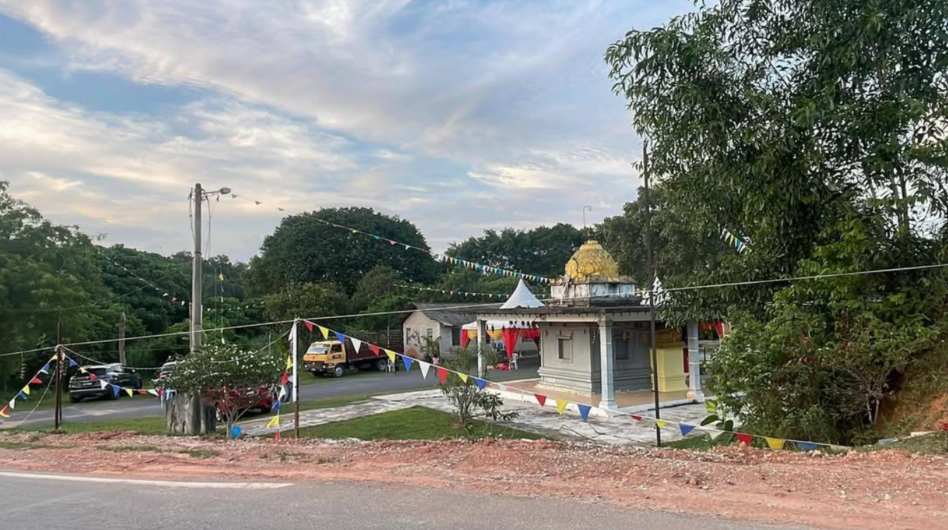
If not they would have been demolished right away as the British knew better than others about the far-reaching implications of land rights.
As such who is the present government to ‘illegalise’ these temples when they had legitimately and rightfully existed for decades under British rule and more than a half century since Merdeka?
It does not mean that only if there is a land title that the structure will be considered legal. Many historical sites in the country do not have titles. Are they illegal?
When villages took root in the country during the colonial days, did the pioneer villagers get the permission of the British district officers for approval to build their houses, which later became traditional kampungs and acquired legal status?
This was how many settlements in Malaya began during the colonial period and later became legal entities bestowed with land titles.
What the government should have been done after Independence when the country came under the rule of the rakyat, was to conduct land surveys and issue titles.
Most of the temples should have gone through this process and be legalised from the Malaysian perspective.
The government should take this present opportunity to streamline rules and regulations concerning houses of worship. There are too many confusing laws concerning houses of worship.
I strongly feel that for proper administration purposes all should be compulsorily registered under the Registrar of Societies (ROS) to ensure good governance, accountability and transparency.
Nowadays, houses of worship or their subsidiaries receive millions of ringgit in donations, government allocations, grants and contributions. This money needs to be properly accounted for to the members to prevent any wrongdoings.
Only the ROS can effectively deal with this as the houses of worship need to make their annual submissions.
I agree that in our country where the majority are Muslims, the mushrooming of temples—some small ones started for monetary gains only—should be halted. Ideally, temples, churches and gurdwaras should be sited in multi-racial areas.
The Muslim community in Malaysia is sensitive to non-Muslim houses of worship in areas where they are the majority.
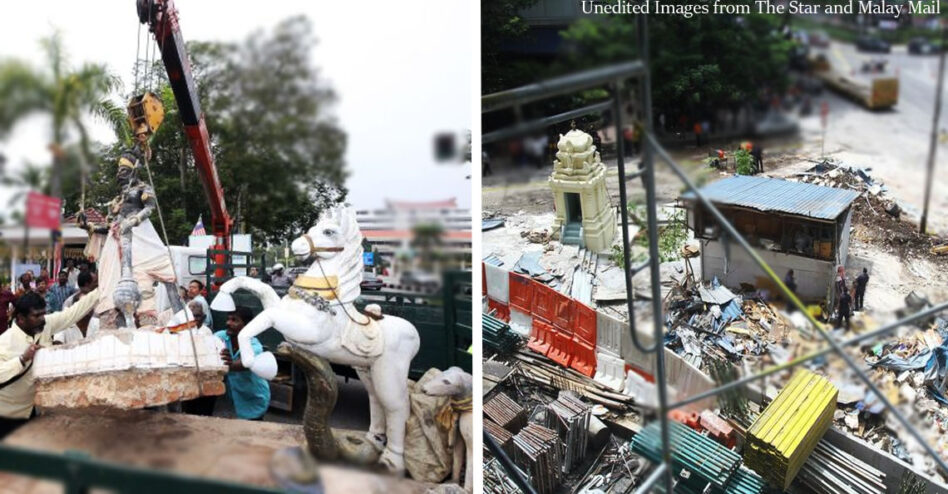
The government also needs to be firm with the housing developers and ensure that they follow policy guidelines concerning houses of worship. In fact many of the problems concerning Hindu temples and churches can be traced to the errant and defiant developers.
There must be at least a small community of believers to create a need for a house of worship.
The government should proactively handle the Hindu temple issue knowing its sensitive nature from past episodes. What’s happening right now is the government—who has done a Rip Van Winkle and slept over the problems for decades—suddenly declaring most temples to be illegal!
This issue can be amicably solved if the government takes into careful consideration the historical and contemporary nature of the problem. Nowadays there are numerous houses of worship in residential as well as commercial areas like shoplots.
There are also mosques and suraus in settlements and colonies established by foreign workers such as Bangladeshis, Rohingyas, and Myanmarese. The government has to look into these new developments too.
The Malaysian government places much importance to goodwill and muhibah in settling national issues, and this is one area where it can show its belief in unity in diversity.
Many people nowadays rue the recent administrative changes and look back nostalgically to a time years back when sensitive issues were handled calmly but firmly by past leaders.
The Madani government has been too accomodating and lax with troublemakers. To resolve this, he government can perhaps set up a special multi-religious task force to address the issues comprehensively nationwide to find an amicable lasting solution without unjustly penalising any community of worshippers.
V. Thomas is a Focus Malaysia viewer.
The views expressed are solely of the author and do not necessarily reflect those of
- Focus Malaysia.

No comments:
Post a Comment
Note: Only a member of this blog may post a comment.