


PSM does not wish to undermine or ridicule Agriculture and Food Security Minister Mohamad Sabu, who urged the public to grow their own vegetables. In fact, we agree with the proposal.
We would further stress that students in schools should be taught how to grow vegetables, rather than merely being consumers of them.
The current generation has lived through the Covid-19 pandemic, and given the state of the world, they may face World War 3.
However, PSM is concerned that these calls amount to little more than lip service rather than genuine efforts to address food security.
In recent years, PSM has raised two critical matters with the minister - both of which fall within the Madani government’s control and would significantly enhance national food security.
Yet, instead of action, our farmers continue to face forced eviction.
Kanthan farmers in PM’s constituency face eviction
The irony is stark: this is happening in Prime Minister Anwar Ibrahim’s own parliamentary constituency of Tambun.
While the PM is surely aware, he appears helpless, perhaps because it involves a menteri besar from BN.
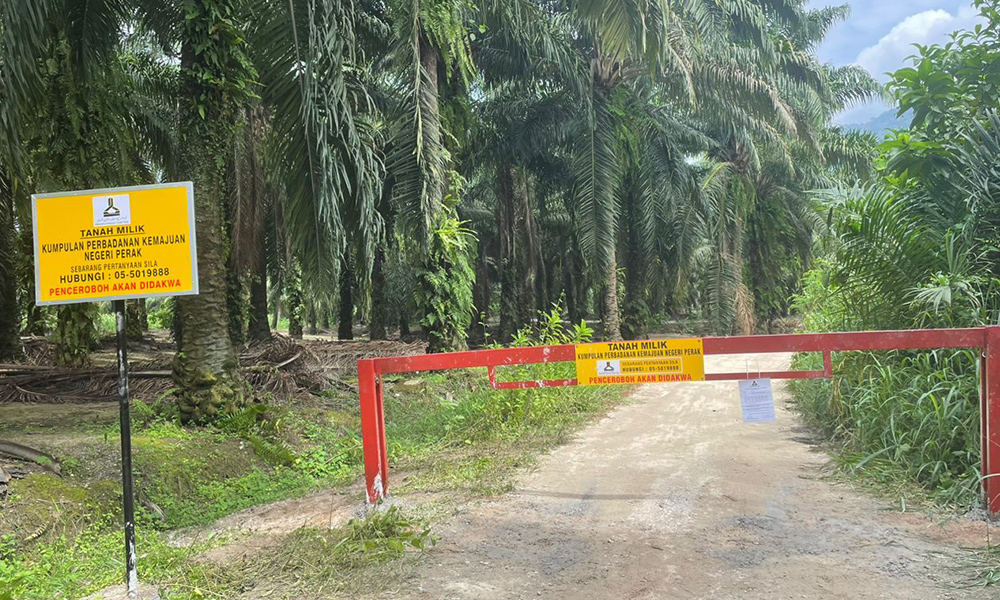
Over 200 farmers who have cultivated the Kanthan farmland for three generations, since before World War 2, are now facing eviction. Some have already been evicted.
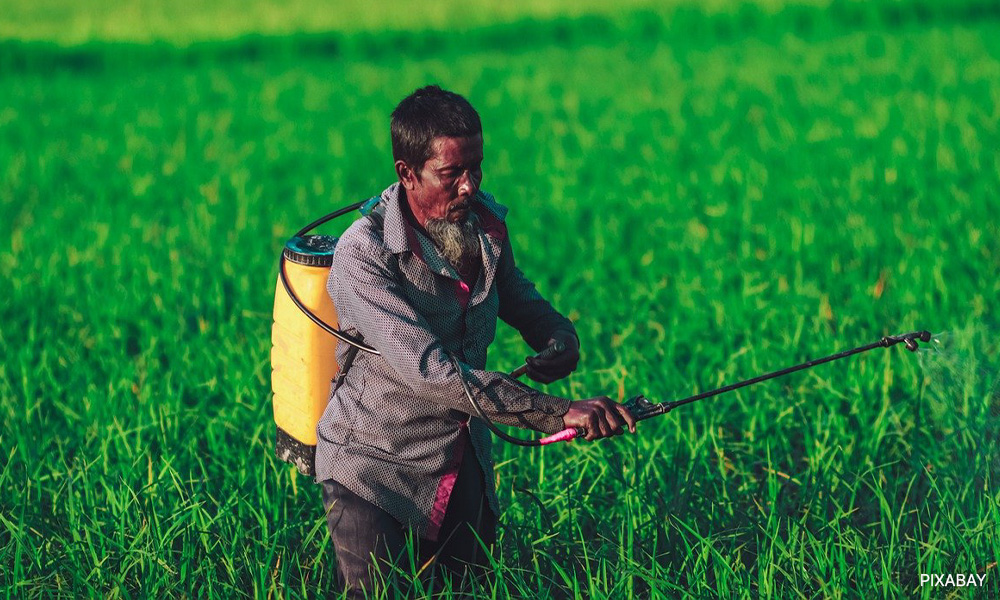
PSM works with around 11 farming communities that produce an estimated 50 to 60 tonnes of food per day, including corn, brinjal, okra (ladies’ fingers), long beans, water lily, a variety of leafy vegetables, oil palm, and fish.
Both the prime minister and the agriculture and food security minister are well aware of this situation, yet it seems they have decided to sacrifice these farmers and our food security in favour of residential and industrial development.
For decades, this area has been a significant source of vegetables for Perak and other states. Now, its future is uncertain.
Farmers who are willing and eager to cultivate the land are being deprived of their livelihood while the minister encourages the rakyat to farm. What a hypocrisy!
The menteri besar insists that farmers vacate this fertile land to make way for an industrial park. The state government has offered alternative land that is not feasible for farming.
Why not exercise a little intelligence? Build factories and residential areas on non-fertile land, and leave the current fertile land to the farmers.
Why kill the farmers’ source of income while simultaneously destroying our own food security? Statistics show that Malaysia's total agro-food import expenditure ranges from RM50 billion to RM70 billion annually. In 2024, the country imported approximately 60 percent of its total food.
Cattle farmers also face eviction
On 25 April 2024, Gabungan Marhaen submitted a memorandum to the minister on behalf of cattle farmers. Around 600 farmers carry out their activities on plantation land.
Although the Malaysian Veterinary Department has confirmed that cows and oil palm can coexist, Sime Darby, a government-linked company (GLC), continues to discourage this practice and has pursued a “zero cattle” policy in plantations.
Research by Aart Van Der Linden (Wageningen University & Research), Badrul Azhar (Universiti Putra Malaysia), Frisco Nobilly (Universiti Putra Malaysia), and Maja Slingerland (Wageningen University) titled “Cattle-oil palm integration - a viable strategy to increase Malaysian beef self-sufficiency and palm oil sustainability” found that grazing activities enhance ecosystem function, leading to improved soil nutrient content, soil structure, and hydrological properties such as increased water infiltration, porosity, and soil moisture.
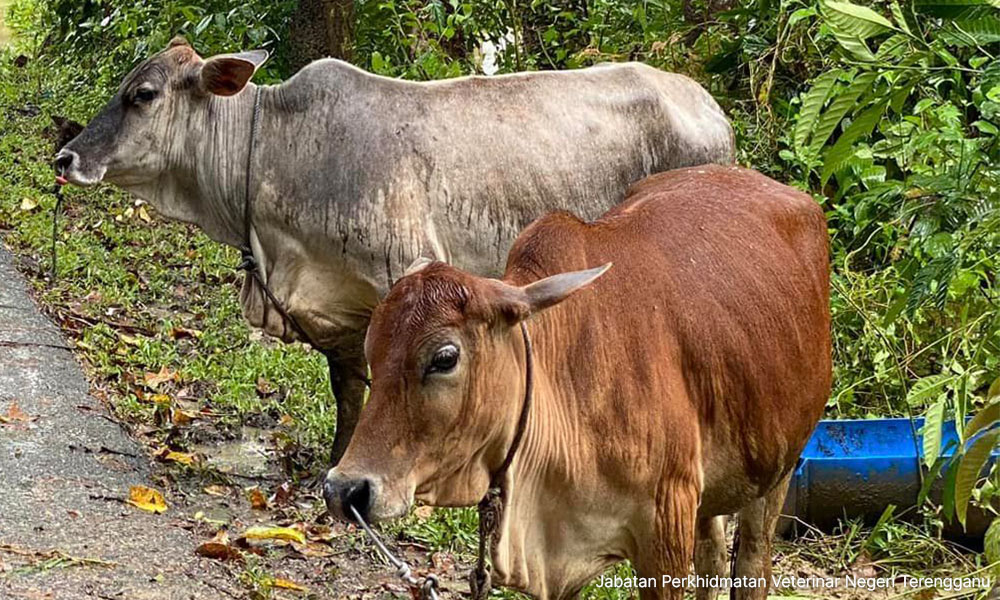
Organic fertilisation from animal waste also positively impacts soil organic matter and increases fresh fruit bunch yield.
Despite this evidence, Sime Darby actively discourages integration and enforces a zero-cattle policy. The government, on the other hand, has admitted that it lacks land for grazing.
Malaysia imports 78 percent of its beef, while domestic fresh milk production accounts for only 30 percent of self-sufficiency.
We have repeatedly asked the ministry to intervene and engage with Sime Darby, a GLC that should, by rights, align with government policy.
Sime Darby has avoided meaningful discussion by claiming it falls under the Plantation and Commodities Ministry, not the Agriculture and Food Security Ministry.
This bureaucratic evasion has frustrated all efforts. Why can’t a joint ministerial meeting resolve this?
The missing ingredient
In conclusion, here we have two sectors - vegetable farmers and cattle farmers - both capable of contributing significantly to national food security, yet both are being denied that right.
What use is a GLC that refuses to adhere to government policy on food security? When the government holds the golden goose in its own hands, it should not be looking elsewhere for solutions.
The ministry must act. The farmers are ready. The land is there. The science supports integration. All that is missing is political will. - Mkini
S ARUTCHELVAN is PSM deputy chairperson.
The views expressed here are those of the author/contributor and do not necessarily represent the views of MMKtT.

No comments:
Post a Comment
Note: Only a member of this blog may post a comment.