



WHITE-COLLAR criminals often believe they won’t be caught using sophisticated tactics to exploit system gaps and viewing themselves as smarter than their victims, making their behaviour largely calculated.
According to Rational Choice Theory, white-collar criminals in positions of trust weigh potential gains against risks, committing corruption when rewards outweigh the chance of detection or punishment.
A corporate executive may manipulate accounts for higher profits or bonuses if the chance of detection seems low.
For example, in the Enron Corporation scandal, executives altered financial statements to hide losses.
Similarly, a senior Malaysian armed forces officer was charged with criminal breach of trust involving RM5 mil from the welfare fund, while another officer allegedly received proceeds from unlawful activities totalling over RM2 mil.
If these charges are proven in court, it means they likely committed these acts because the perceived financial gain and status outweighed the risks of detection, prosecution, and career loss.
Removing corruption from Malaysian public institutions requires addressing the knowledge embedded within them through organisational unlearning and re-learning.

According to Hendi Yogi Prabowo, in the Journal of Financial Crime, this process involves eliminating tacit and explicit knowledge of corrupt practices and replacing it with principles of good governance, accountability, and integrity.
Unlearning helps overcome challenges and supports success in a constantly changing environment.
Jack Mezirow’s Transformative Learning Theory suggests that organisations can combat fraud by first unlearning outdated practices and norms, then relearning more effective systems, values, and capabilities.
Modern governance reform follows this same two-step process, as meaningful change rarely succeeds without letting go of old habits.
Effective unlearning and re-learning involve both human governance (to change mindsets and behaviour) and structural governance (to update systems and processes for stronger ethical decision-making).
Unlearning is influenced by parenting, upbringing, peer groups, and education, as these shape our early habits, values, and beliefs.
While children learn behaviour and moral principles from their caregivers, some habits, such as dishonesty or favouritism, once learnt, are difficult to reverse but may need to be unlearned later to foster ethical conduct.
Education and training programmes also support unlearning and re-learning by helping individuals discard outdated or unethical practices and replace them with honesty, integrity, accountability and critical thinking skills.
Sweden’s low corruption reflects a long, gradual process, not a sudden change—they were inculcated from young.
Our early experiences shape our thinking, and as adults, we may continue old habits. To grow and improve, we must unlearn what we have learned as knowledge and theories can become outdated.
For example, much of what I learned during my Master’s in Criminology 40 years ago at the University of Detroit would now be obsolete without unlearning outdated concepts and updating them with new knowledge.
Lifelong unlearning, shaped by early experiences and education, helps individuals act ethically.
Organisational unlearning and relearning are essential to discard harmful practices and replace them with ethical leadership, accountability, and integrity.
Before institutions can build integrity, they must first unlearn habits that normalised failure, complacency, and abuse of power, while leaders address entrenched biases through training, new incentives, and stronger leadership behaviour.
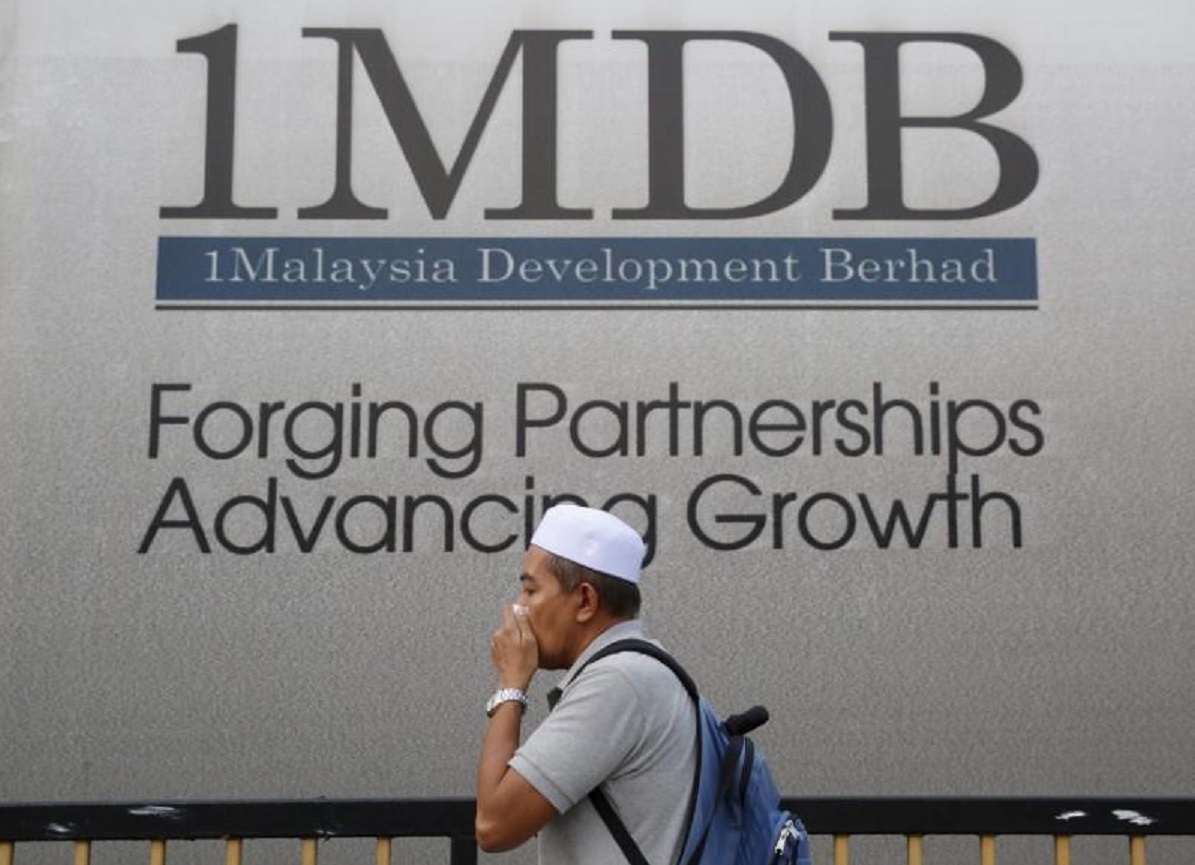
The 1Malaysia Development Bhd (1MDB) scandal, in which billions were allegedly misappropriated, highlighted the need for organisational unlearning.
The Malaysian Anti-Corruption Commission (MACC) is using advanced technologies, including artificial intelligence, big data, and digital forensics, to combat increasingly sophisticated financial fraud and corruption.
Other examples include companies affected by the Enron Corporation scandal, which moved away from relying solely on internal reports and adopted independent audits, stronger financial controls, and forensic accounting.
Similarly, government departments that previously depended on manual document checks had to embrace digitalisation and data analytics to detect fraud, corruption, and leakages.
In the financial sector, banks shifted from reacting to customer complaints to using artificial intelligence-driven real-time monitoring, behavioural analytics, and multi-factor authentication to detect anomalies, requiring unlearning of old reactive methods.
It is recommended that Certified Integrity Officers (CeiO) stay current on integrity and governance matters by completing the Continuing Professional Education (CPE).
For example, Certified Fraud Examiners must earn a minimum of 20 CPE credits related to fraud each year, with at least two credits focused specifically on ethics.
Promoting unlearning-learning and ethical decision-making strengthens accountability, reduces fraud, and helps overcome deeply rooted corruption.
Datuk Seri Dr Akhbar Satar is a Professor of Criminology at HELP University.
The views expressed are solely of the author and do not necessarily reflect those of MMKtT.
- Focus Malaysia

No comments:
Post a Comment
Note: Only a member of this blog may post a comment.