


The escalating conflict in West Asia, which is causing rising oil prices, may also increase the cost of food for Malaysians.
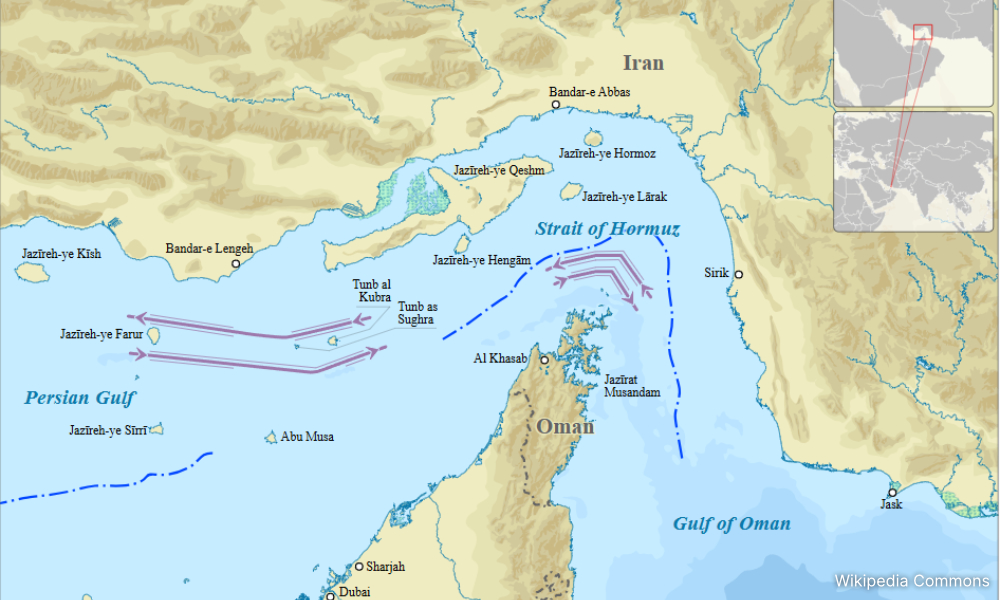
This is because the closure of the Strait of Hormuz could disrupt the supply of fertiliser, as the narrow sea passage accounts for about 50 percent of global urea exports, 50 percent of sulphur - a key input in phosphate fertiliser production - and roughly a third of ammonia shipments.
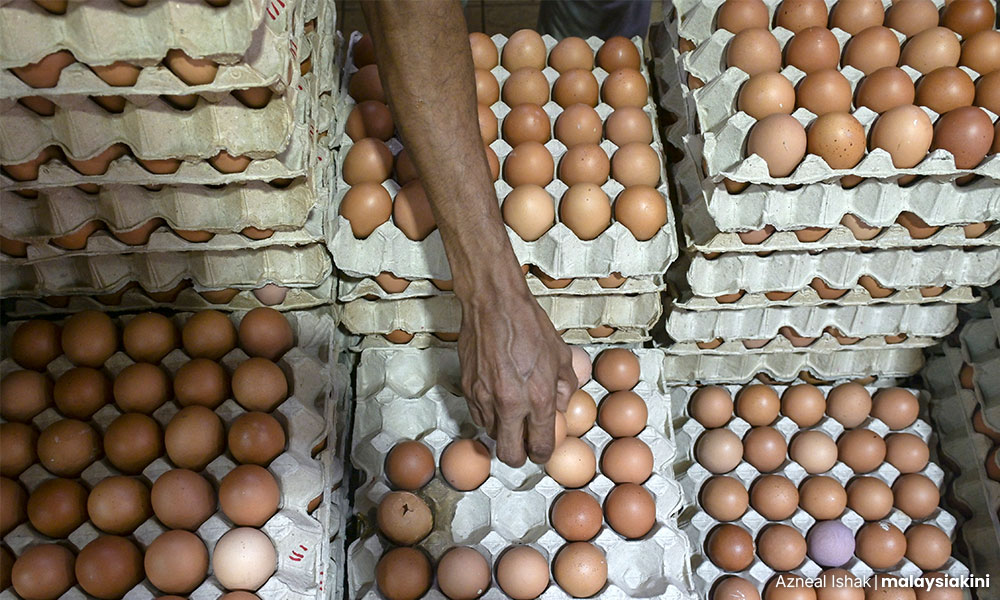
Universiti Putra Malaysia (UPM) professor Fatimah Arshad told Malaysiakini that this disruption would affect not just the prices of fruits, vegetables, and rice, but also those of chicken and eggs due to similar impacts on animal feed imports.
“Even if Malaysia produces some food locally, farmers will still face higher input costs, which are usually passed on to consumers,” she said.
This will have a “large effect” on the cost of living, said the UPM Laboratory of Agricultural and Food Policy Studies researcher.
Putra Business School professor Nasir Shamsudin added that, despite higher prices, Malaysian consumers may not experience a physical disruption of food supplies.
“This situation highlights the distinction between food supply and food affordability.
“Food may still be available in markets, but higher prices could reduce economic access to food, particularly for lower-income households,” he warned.
Global fertiliser supply
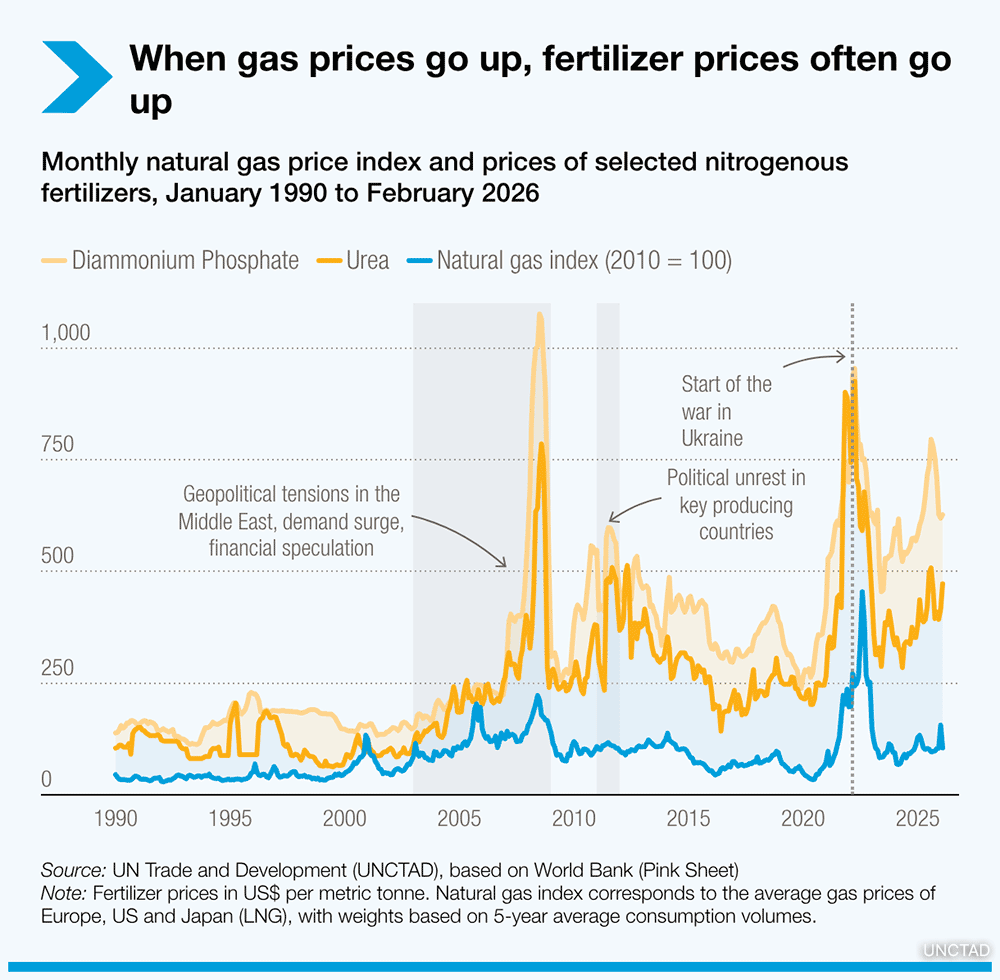
On the matter of fertilisers, Malaysian Institute of Economic Research senior research fellow Azizul Amiludin explained that while West Asian countries contribute a small percentage of Malaysia’s fertiliser imports, alternative suppliers will be restricting their exports.
He cited China as an example, as the country had tightened its export of fertilisers even further to shore up domestic supply.
“Meanwhile, Russia, which is responsible for around one-fifth of global fertiliser production, relies heavily on Black Sea ports to ship fertilisers to Africa, the Mediterranean, and Asia.
“Disruptions to this key shipping route, particularly those affecting passage toward Asia via the Middle East, pose risks to fertiliser supply in eastern markets.
“A prolonged conflict in the Middle East could therefore have significant implications for global fertiliser supply,” Azizul said.
Another concern would be the supply of agricultural products from important trading partners and neighbouring countries, which are reliant on West Asian fertilisers, he said.
“Thailand imports a third of its fertilisers from the Middle East with Saudi Arabia supplying about 20 percent in 2024,” he noted.
Data from the Observatory of Economic Complexity shows that Malaysia imported vegetable products worth about RM2.2 billion from Thailand last year, accounting for roughly 7.2 percent of its total vegetable imports.
Strait closure
Iran closed the Strait of Hormuz after the United States and Israel launched a joint attack on the West Asian country on Feb 28.
Initially, Tehran said the strait was closed to only the US, Israel, and their allies, but a senior advisor to Iran’s Islamic Revolutionary Guard Corps (IRGC), Ebrahim Jabari, later declared it to be “closed”.
Al Jazeera reported Ebrahim saying that if any vessel attempted to cross, the IRGC would “set those ships ablaze”.
Normally, about 3,000 ships sail through the strait, which straddles the Persian Gulf and the Gulf of Oman, every month.
Its closure caused a massive disruption to the global supply of oil and gas, with multiple countries announcing austerity measures to combat surging oil prices.
Commenting on this, Nasir highlighted energy as a pivotal factor in the cost of food.
“Energy is a fundamental input in modern agriculture, influencing farm machinery operation, irrigation, fertiliser manufacturing, food processing, and transportation.
“Consequently, increases in oil prices tend to propagate through the entire global food supply chain, eventually leading to higher international food prices,” he explained.
Boosting food security
On March 13, Agriculture and Food Security Minister Mohamad Sabu said ministry staff who live on landed property will be expected to grow vegetables at home as part of Putrajaya’s move to fortify the nation’s food supply.
This was met with criticism, but the minister defended himself by saying the move was part of a multilayered strategy to strengthen food security.

He added that his ministry has taken early measures, including increasing the national rice buffer stock through Padiberas Nasional Berhad (Bernas) from 200,000 to 300,000 metric tonnes and engaging Petronas to ensure adequate urea supply at controlled prices.
The ministry is also strengthening programmes under permanent food production parks, permanent food production zones, aquaculture industrial zones, integrated agricultural development areas, and farmers’ organisations to increase domestic output.
However, Nasir said Malaysia needs to increase the resilience of its food system while various global uncertainties into account.
At the local level, he said, the country needs to not only maintain strategic reserves of staples and diversify import sources, but also prioritise domestic agricultural productivity.
This can be done through investments in technology, such as improved seed varieties, precision farming, digital agriculture, and climate-resilient systems, he added.
Adding to this, Fatimah said the government could support farmers with more short-term subsidies for fertilisers and diesel, low-interest agricultural loans, and expand aid programmes to handle any immediate fallout.
She said dependence on important livestock feed must be reduced, too, by promoting alternatives.
She and Nasir agreed on the need for further collaboration at the regional level – such as through Asean initiatives like the Integrated Food Security (Aifs) framework and Plus Three Emergency Rice Reserve – for effective coordinated responses to global supply and price issues.
Aifs aims to establish long-term regional goals towards food security while improving the livelihoods of farmers in Asean.
The Plus Three Emergency Rice Reserve programme intends to eradicate malnutrition and alleviate poverty through stockpiling rice, which will be distributed in the event of an emergency.
“Expanding intra-Asean agricultural trade, improving regional logistics systems, and increasing strategic food reserves would further enhance regional resilience,” Nasir said. - Mkini

No comments:
Post a Comment
Note: Only a member of this blog may post a comment.