


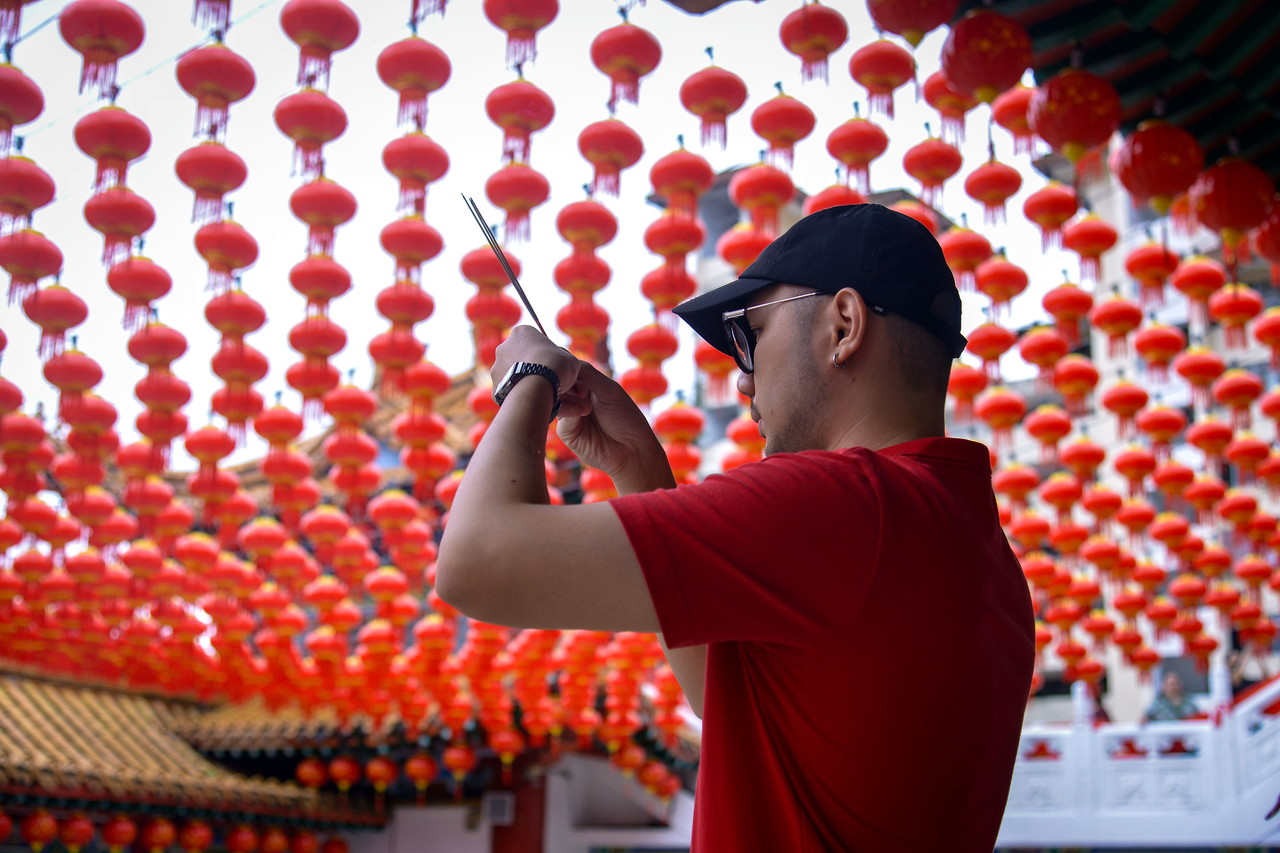
HAVE you ever stopped to think that when we mock our religions, we might actually be mocking our own great-great-grandparents?
It’s a simple idea, but it hits hard. Lately, it feels like religion in Malaysia is too often used as a weapon or a punchline. Some people think that by putting down the beliefs of the past, they’re proving they are more enlightened or that their faith has “won”.
But really, all they are doing is spitting on the graves of the very people who came before us.
Think about it. Our country wasn’t built in a vacuum. Before any of us were here, our ancestors were living, loving, struggling, and praying. They built civilisations. They created art and literature. They had their own deep understandings of the world and their place in it.
When we dismiss their religions as primitive or silly, we’re essentially calling our own forefathers ignorant and unworthy of respect. That’s not just arrogant; it’s historically blind.
Long before the melody of the azan graced our shores, this land hummed with different spiritual vibrations.
The great Srivijaya empire wasn’t just a footnote in a textbook; it was a golden age of Buddhist learning and power that shaped the entire region. Then came the mighty Majapahit, with its Hindu-Buddhist soul, influencing our politics and culture in ways we probably don’t even realise today.
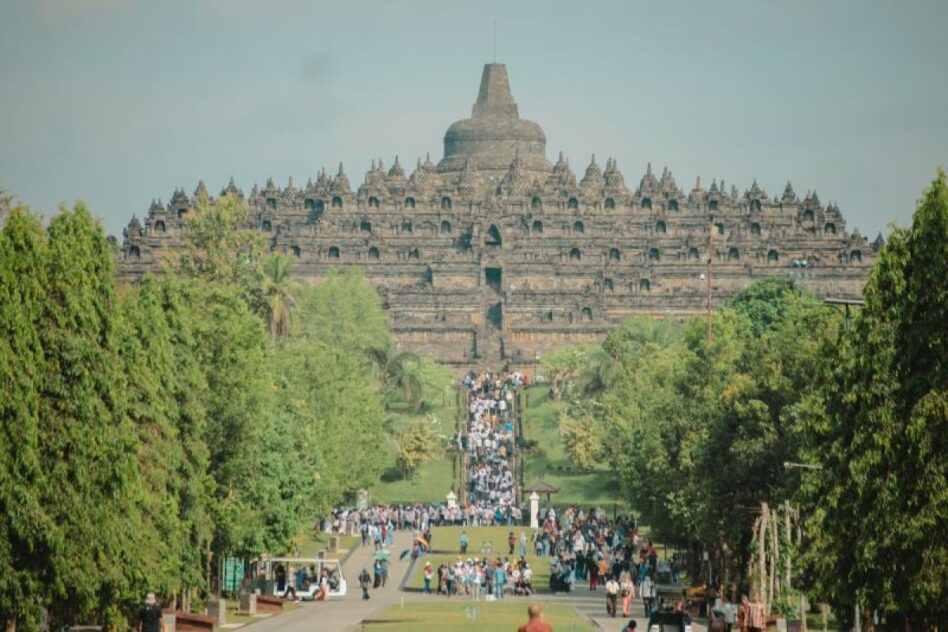
These weren’t “primitive” times. They were eras of breathtaking literature, stunning architecture like Candi Borobudur, and complex systems of law and governance.
Their temples and inscriptions aren’t just relics; they’re the birth certificates of our shared Southeast Asian heritage. To laugh at the faith that built them is to laugh at the very architects of our world.
And here’s the beautiful thing about history: faith isn’t static. It’s a river, not a stagnant pond. It flows, it meets other streams, it changes course.
The arrival of Islam in the Malay world wasn’t a hostile takeover where everything old was erased. It was a gradual, graceful meeting of worlds. Traders and scholars shared their faith, and our ancestors embraced it, weaving it into the rich tapestry of customs and traditions that were already there.
This means our national story isn’t about winners and losers in some cosmic battle. It’s about a continuous, evolving spiritual journey. And that journey runs through every single one of us.
Almost every Malaysian today has ancestors who prayed in different ways. Many Malays have a Hindu-Buddhist chapter in their family’s distant past.
Our Chinese brothers and sisters have roots in Taoism and ancestral worship. Our Indian communities brought with them the ancient traditions of Hinduism, Sikhism, and Buddhism.
So, when someone makes a joke about an ancient Hindu deity or mocks a Buddhist practice, they’re not just debating theology. They’re unknowingly mocking the spiritual path of their own ancestors or the ancestors of the person sitting next to them at the mamak stall.
That kind of ridicule doesn’t just hurt feelings; it tears at the very fabric of respect that holds our diverse society together.
Now, this isn’t to say we can’t talk about religion. Of course, we can. Scholars should study it, we can discuss it, and we can even respectfully disagree.

There’s a huge difference between asking a thoughtful question and throwing an insult. One is a search for understanding; the other is a power trip.
A country that forgets the spiritual journey of its ancestors is a country that loses its own soul.
History has a way of humbling us. We all think we’re the peak of human understanding. But just wait a few generations—our great-grandkids will probably look back at some of our own beliefs and scratch their heads.
Keeping that in mind should make us all a little more humble and a lot more respectful.
Look around Malaysia. The temples, the mosques, the churches, the gurdwaras—they aren’t ugly marks of division. They’re beautiful markers of our incredible, centuries-long journey. They’re chapters in the story of everyone who has ever called this land home.
Honoring that story doesn’t make your own faith any less true. In fact, a faith that is truly strong and confident is one that can look at what came before with respect and say, “I see your journey, and I honor it.”
If we really want peace and harmony for our future, we have to start with a simple truth for today: respecting our ancestors starts with respecting the faiths that guided them.
A wise person doesn’t make fun of their roots. They know that’s where their strength comes from.
KT Maran
Seremban, Negri Sembilan
The views expressed are solely of the author and do not necessarily reflect those of MMKtT.
- Focus Malaysia.

No comments:
Post a Comment
Note: Only a member of this blog may post a comment.