


There is something disarming about Said. He speaks with a quiet steadiness, chooses his words carefully, and carries himself with a gentleness that feels almost at odds with everything he has been through.
At 31, he is eloquent, thoughtful, and perhaps most remarkably unburdened by bitterness.
Said, as he wishes to be known, was diagnosed with mild intellectual disability and attention-deficit/hyperactivity disorder (ADHD) as a child.
His mother, Azlina Abdul Aziz, sensed early on that Said was different. He could read complex material and communicate well, yet struggled with basic tasks and grasping consequences.
He was bright, but the world did not always make sense to him in the way it did for others.
In a bid to help him grow and socialise independently, Azlina and her husband, Michael Cawley, Said’s stepfather, rented him a place to live amongst other students when he was in university.
It was a well-intentioned decision, but one that would alter the course of his life entirely.
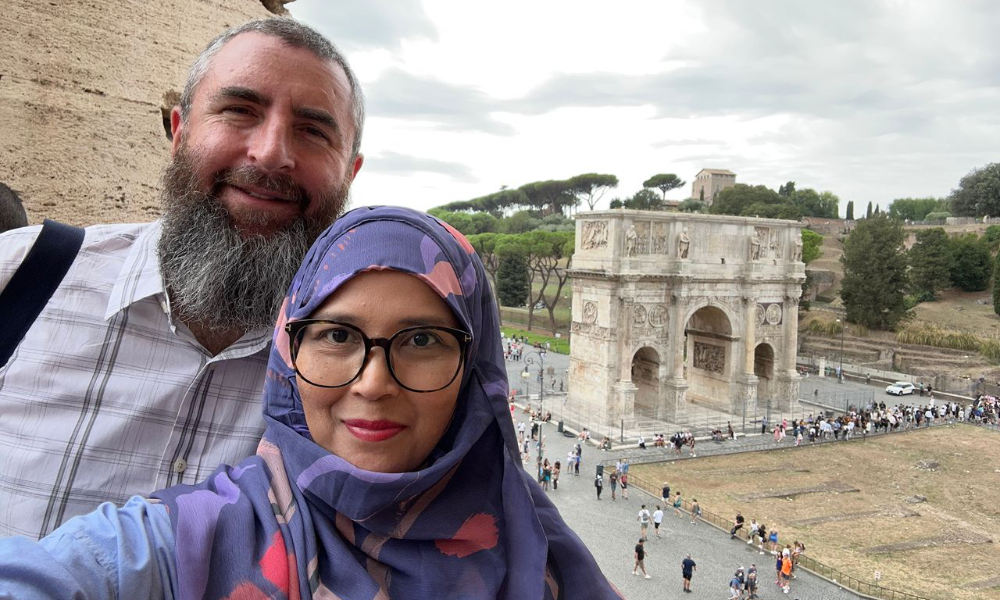
Said, trusting and open-hearted by nature, later befriended a Pakistani national who invited him to travel to Pakistan to work at his father’s water company.
It was a lie, but Said, buoyed by the prospect of friendship and independence, did not see it coming.
The man he trusted eventually came under police scrutiny for murder, and Said, simply by association, found himself at the centre of a capital punishment charge he could not comprehend.
Facing the gallows
Prison is an unforgiving environment for anyone, but particularly so for a young man with a disability.
Said was just 20 years old when he was charged with murder under Section 302 of the Penal Code, which carries the death penalty.
He was detained and remanded in Kajang Prison’s facility for young offenders. Upon turning 21, he was transferred to the Sungai Buloh Prison.
It was an especially brutal environment. Said, who was jailed for six years between 2016 and 2022, struggled to understand his surroundings and said he was bullied and assaulted.
The system, ill-equipped to manage someone with his condition, processed him like any other inmate. Within his first two weeks behind bars, Said made peace with the possibility that he might not make it out alive.
“I didn’t have a future,” he recalled in an interview with Malaysiakini.
“I thought maybe this was the future that was made for me, and I just accepted it.”
What followed that acceptance, however, was an extraordinary act of quiet defiance; not against his captors or the system, but against the darkness itself.
If these were to be his final days, Said decided, he would rather spend them being kind.
His mother, Azlina, visited every week without fail. What little she brought him in food and provisions, Said would convert into clothing and slippers, and give them away to inmates who had less.
He asked hardened criminals about their families. He listened. He encouraged.
“I met so many types of criminals, rapists, murderers, and I just gave them positivity. I asked them about their families. I told them: you can make a difference.”
The art of forgiveness
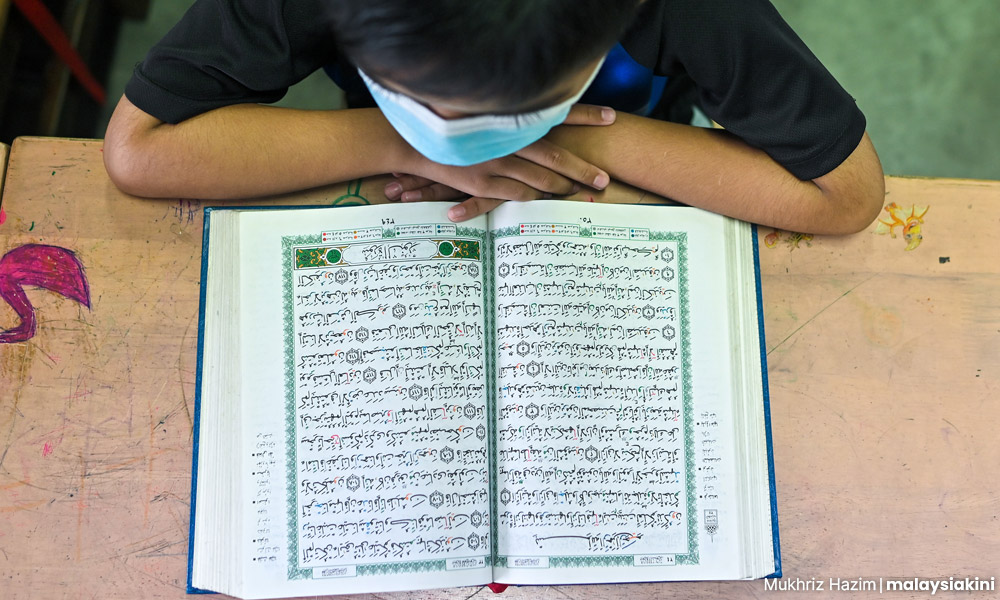
With little else to do, Said turned to books. He read the Quran, something he had always wanted to do, but never made time for.
One passage, he said, changed him completely. Forgive others, as you want to be forgiven by God.
“That really got to me; it made me feel like I can’t be selfish. I have to forgive people, even if some don’t deserve it, at least forgive God,” he said.
It is a philosophy he still carries with him. He does not pretend that the experience left him unchanged; he is more cautious and measured in who he trusts, but he refuses to let that caution curdle into cynicism.
“I was more cautious when I was inside (jail), but when I came outside, of course, that caution and survivability is still there. But I don’t enforce it on others.
“I won’t think of you as a bad person. I won’t think of you like this or that. It might come to me, but I won’t think of it that way.
“Unless you prove it to me by doing wrong, then there’s nothing I can do about it. I’ll just cut you off,” he said.
His case dragged on through the courts until he was finally acquitted in May 2022. However, the freedom that arrived was not the relief one might expect.
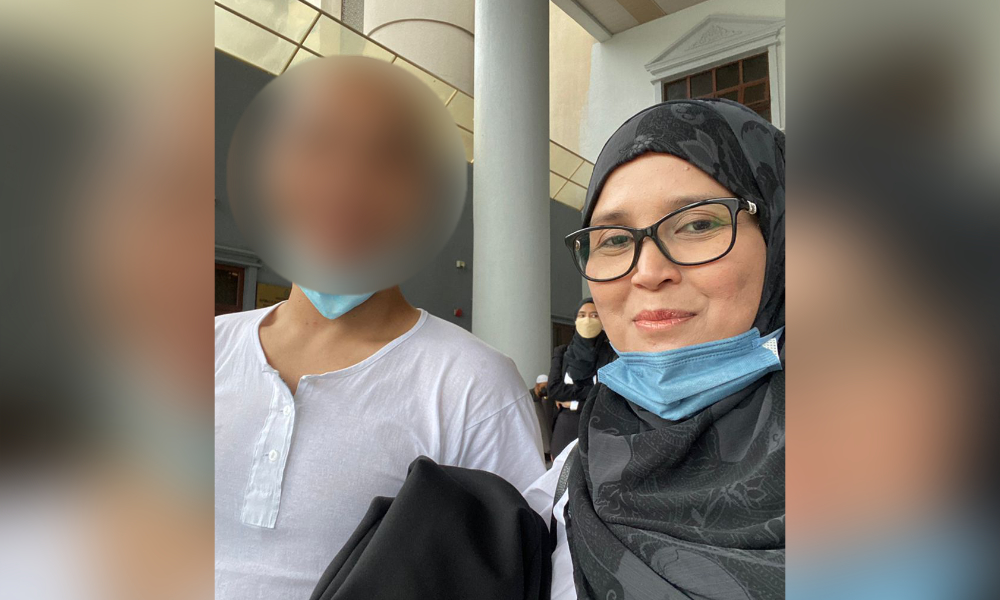
Reintegrating into society after years of incarceration proved to be its own battle. Said was anxious, overwhelmed, and uncertain of his place in a world that had moved on without him, almost writing him off in the process.
It took close to a year of psychiatric support and careful reintegration before Said began to find stability again.
“It doesn’t stop when they are released. That’s when another fight begins,” his mother, Azlina, said, citing mental anguish and other anxiety-related challenges.
Moving forward
Today, Said has landed a job in finance, a field he became drawn to and is self-taught in. He wants to become a broker.
“I just want to do better. To focus on myself. To treat myself to what I deserve,” he said.
He still keeps in touch with some of those he met behind bars. Men who are now tentatively rebuilding their own lives on the outside. Some are working, and some are struggling with the shock of re-entering society.
Said gives them what he has always given freely: positivity and the reminder that change is possible.
“Every mistake I make, I have to learn from it. I don’t just repeat it. I make myself better, and hopefully give a better example to others,” he added. - Mkini

No comments:
Post a Comment
Note: Only a member of this blog may post a comment.