


With the US/Israel’s naked, unprovoked, bullying, rash, incendiary, heartless, cruel attack against a hapless Iran, it is more obvious than ever that oil is slippery and elusive. It needs clear thinking followed by measured action to get a grip on it.
We have allowed the problem of oil to slide through our fingers because, in a decades-long time of plenty, we have not gotten ready for a period when its supply is perilously threatened and prepared people to pay higher prices for a dwindling asset.
Thoughtlessly, we have followed the path of many Third World countries to squander our oil wealth through not only corrupt practices but also putting political expediency above everything, neglecting to preserve it for future generations and making good investments through a sovereign wealth fund.
We criminally allowed the waste of precious energy by keeping its cost artificially well below market price for all Malaysians, especially for RON95, among the lowest prices in the world at RM1.99 per litre, initially capped at 300 litres per month, and recently reduced to 200 litres.
This not only actively promotes the indiscriminate use of oil by our consumers, but also allows it for those who can afford to pay full price, by far the major users of RON95, inexplicably allowing richer people the leeway to use cheap oil.
Not only was the idea of limiting the use of a precious resource and promoting alternative energy sources (who would when energy is cheap?) thrown out of the window, but the idea of a targeted subsidy through cash handouts was scrapped.
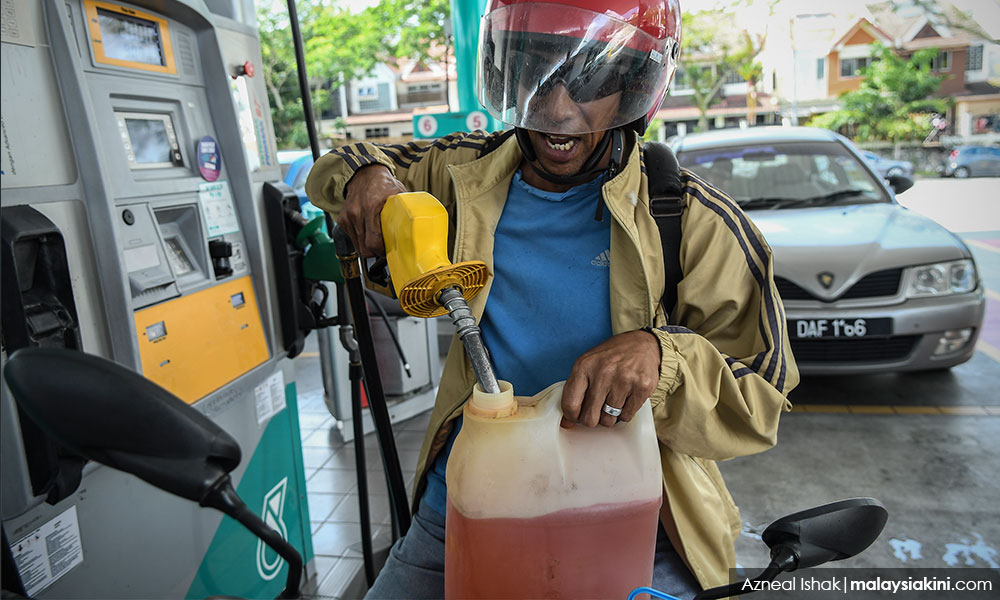
Instead, a system was implemented which gave the same subsidy to all Malaysians with driving licences.
Subsidy costs rise
With current oil prices hitting the roof, it has again raised the spectre of excessive subsidies, which was not dispelled before because of differential pricing within the same country and among countries. The amount of subsidy is now astronomical.
One can only speculate why this Madani government is keeping a lid on oil prices when all others have allowed it to pop out from the relentless pressure caused by rising world prices. Only the foolhardy and the very rich, insulated economies such as Brunei, have similar or lower prices than Malaysia for RON95.
Why? Could it be that the desperate Madani government, which has been doing much to improve public ratings, is preparing to call a snap election soon, on the back of what in the future could be problematic developments on the economic and corruption front?
Is it so desperate to do well in the polls that it is postponing badly needed, drastic decision-making now, which will put pressure on the public but will be more prudent in the long term?
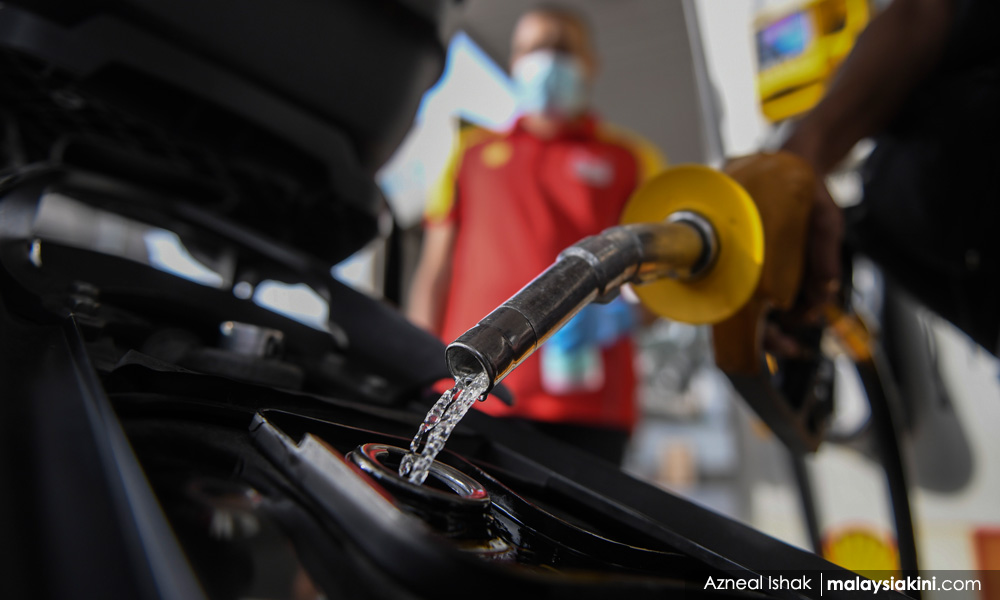
Reports put the amount of subsidies for just RON95 at about RM3 billion for March, and if prices are not adjusted, this could increase to as high as RM4 billion this month.
If oil prices stay where they are, that amounts to RM48 billion a year, when the budgeted figure was more like RM700 million a month or RM8.4 billion a year, which was already high.
This amounts to a deficit of at least RM40 billion yearly - if things keep getting worse and prices are kept unadjusted - or nearly 12 percent of the federal government’s operating budget of RM338 billion this year.
How is the government going to fill the gap? Where is the budget going to come from? Is borrowing going to skyrocket?
Even if oil price increases fill up government coffers, should we take that route? Surely not. We should instead build up government finances for balanced development instead of frittering them away by giving the richer segments of society more money to spend.
Questions over oil security
On top of all this, although we are a net exporter of energy, we can’t be very certain of the supply of petroleum products, including diesel, because of the closure of the Strait of Hormuz through which most of our supply of heavy crude, used in our refineries, comes.
We are very proud to proclaim that we export most of our light, expensive crude, but did no one think in terms of oil security?
It would have been easy to convert our refineries to process our own “sweet” crude, instead of importing it all the way from the Middle East, and through the Strait of Hormuz, to ensure an uninterrupted supply.
That’s yet another indication of our shortsightedness. Instead, there is sycophantic praise for the prime minister’s diplomatic initiatives with Iran to allow the passage of Malaysian oil through, a privilege extended to many other countries besides Malaysia.
Anwar Ibrahim is yet to tell us how long before our refineries can’t get heavy crude to refine oil, in the true Umno (Anwar seems more Umno now than PKR)/Madani style of hiding the bad news.
Political factors behind subsidies
The other thing to remember is that our financial position would have been much better if we simply allowed the original plan to give direct cash handouts to the poor when oil prices rose, rather than give over-generously to every Malaysian who has a driving licence, 300 litres of subsidised RON95 a month.
Most of them don’t use that much. Often, there are multiple driving licence holders in a household, making it unnecessary except to look good on paper and to the public, which is the focus of this government - mirage over reality.
When the government cut the quota to 200 litres a month, Anwar proudly announced that 90 percent of the public would not be affected. Why give that much in the first place, then? That’s a clear admission of his poor subsidy policy.
If the original plan had been put in place, then only those who needed support would have received money through direct cash handouts, not all and sundry as it is now.
Former economy minister Rafizi Ramli explained it here. He said Putrajaya could have better managed oil price shocks if its targeted fuel subsidies had been based on the Central Database Hub (Padu), which would have identified those poor enough to qualify.
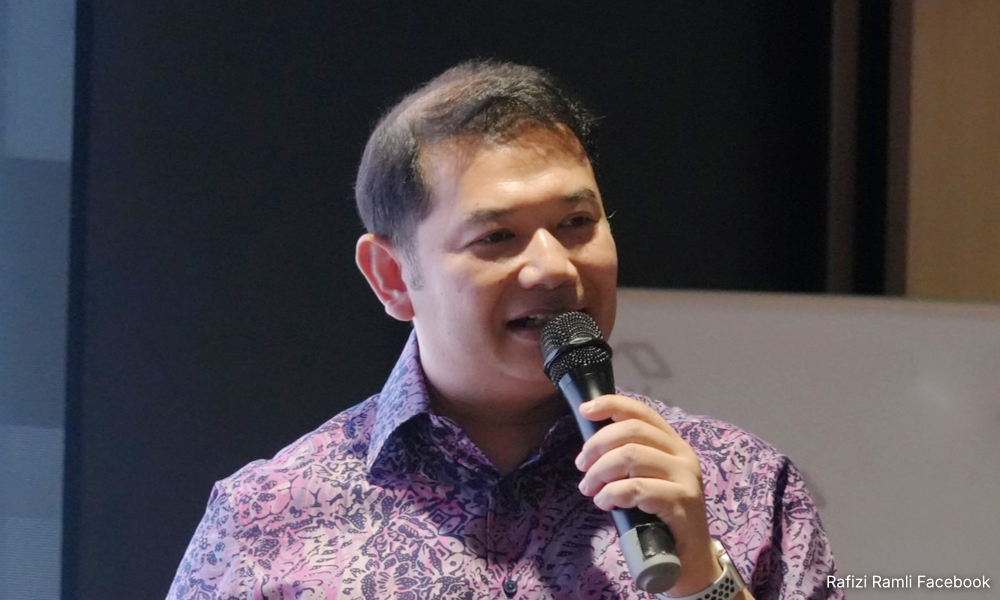
The government agreed in 2023 to float fuel prices and implement cash-transfer subsidies to ensure they only reach eligible income groups. However, political considerations stymied this plan, Rafizi added.
“Because the people would have adjusted in the last three years based on their petrol consumption, and get used to the social security system, cash transfers, etc. Sadly, that did not happen.”
Rafizi said leaders in Putrajaya were worried about backlash from the rakyat if petrol prices were floated to global market rates.
The programme was abandoned because Anwar wanted to satisfy both the rich and the poor and everyone in between, to curry favour with the rakyat instead of doing what’s necessary for good and prudent economic management - helping only those in need.
Political considerations are still trumping good decision-making. It is poignantly maddening that this remains rife, infecting our public service completely, with this Madani government impotent to plant the seeds of true change deep into the system. - Mkini
P GUNASEGARAM says good statesmanship requires tough decisions and a willingness to be straight with the rakyat. We badly lack both.
The views expressed here are those of the author/contributor and do not necessarily represent the views of MMKtT.

No comments:
Post a Comment
Note: Only a member of this blog may post a comment.