


Component parts manufacturers representative Chin Jit Sin points out that any strategy should include strong localisation and ecosystem development.
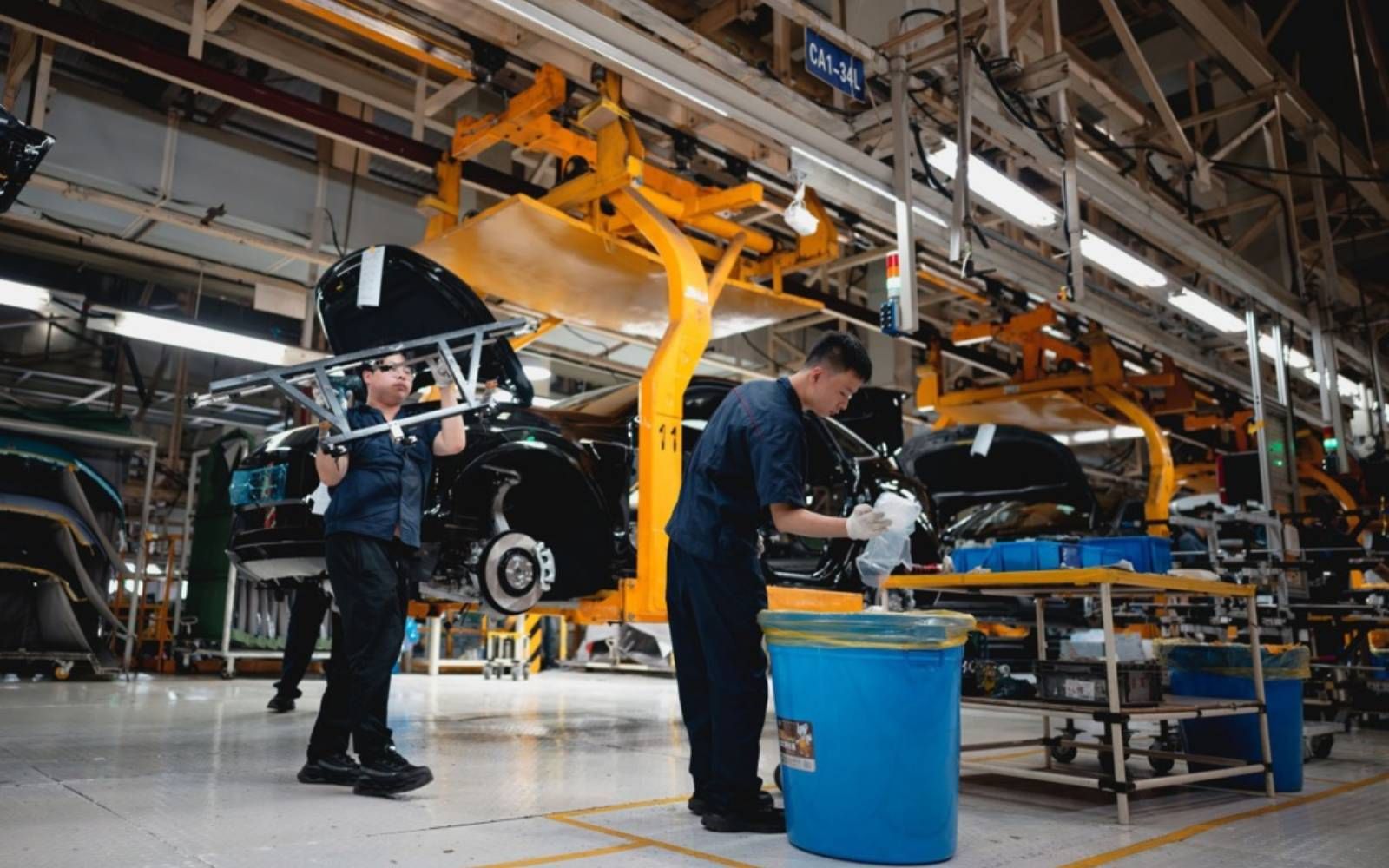
According to the Malaysian Automotive Component Parts Manufacturers, such a strategy could lead to an imbalance that may curtail future growth.

President of the association Chin Jit Sin noted that the rapid expansion in the Thai EV sector has already begun to put a strain on its supply chain and market stability.
“Thailand’s policy revision was driven by a clear mismatch between rapid supply growth and weak market demand,” Chin told FMT.
He said that generous incentives and aggressive price competition have led car manufacturers in Thailand to accelerate EV production and imports to a point where domestic demand is no longer able to absorb the inventory.
The Thai policy on EV, which includes tax incentives and price subsidies has, over the years, attracted over US$4 billion in investments from BYD and Great Wall Motors, China’s biggest players in the EV sector.
In November 2025, in a move to boost exports and ease oversupply domestically, the Thai government introduced new incentives that included revising the export quota that manufacturers had to meet.
Chin said the Thai experience highlighted a structural weakness in competitive pricing, where initial high demand came at the expense of ecosystem stability.
“Low EV prices alone do not build an industry. Without strong localisation and ecosystem development, the pressure quickly moves down the supply chain, affecting suppliers and SMEs most severely,” he said.
He added that without sufficient localisation, EV hubs risk becoming assembly-focused operations with limited domestic value creation.
Competitive pricing exposes structural strain
Imtiaz Hossain, a lecturer at Sunway Business School, said subsidies such as tax incentives had led to strong investment inflows and driven rapid growth, particularly for Chinese EV manufacturers in Thailand.
On the other hand, he told FMT, demand had not kept pace.

“This indicates that a price-led expansion model, although effective in the short term, may not be sustainable if not supported by demand-side readiness, infrastructure and export diversification strategies,” he added.
In a recent opinion piece on FMT, motoring writer Yamin Vong said China’s new-energy vehicle (NEV) sector had relied heavily on state support, with total government subsidies estimated at US$231 billion (RM906 billion) between 2009 and 2023.
He said these included buyer rebates, tax exemptions and funding for research and development, which helped to drive rapid industry growth. However, he noted that such support had also masked underlying profitability issues.
“Without this direct support, the brand would have been operating at a loss,” Vong said.
Imtiaz said oversupply in the EV market typically leads to immediate pressures such as aggressive price competition, declining margins and rising inventory costs for manufacturers and dealers.
Over time, he said, these pressures could deter investment, weaken profitability and create instability across the wider supply chain.
“In extreme cases, weaker firms may exit the market, as observed in other highly competitive EV ecosystems,” he said.
Malaysia takes a more measured approach
Against this backdrop, both experts said, Malaysia’s current EV policy approach — which emphasises value creation and ecosystem development — may help mitigate similar risks. However, they cautioned that Malaysia is not immune to such oversupply issues.
Chin said the global EV landscape — particularly excess capacity from China — is intensifying competition in Southeast Asia and placing pressure on local industries.
He pointed to cases of aggressive price discounting in the region, warning that such developments may appear consumer-friendly in the short term but could undermine long-term market stability.
Imtiaz added that policymakers must ensure domestic demand keeps pace with production capacity to avoid inventory build-up, while continuing to invest in infrastructure, incentives and public awareness to drive adoption.
“Vigilant monitoring of global market dynamics and maintaining policy flexibility will be vital to pre-empt oversupply risks and alleviate ecosystem pressures,” Imtiaz added. - FMT

No comments:
Post a Comment
Note: Only a member of this blog may post a comment.