


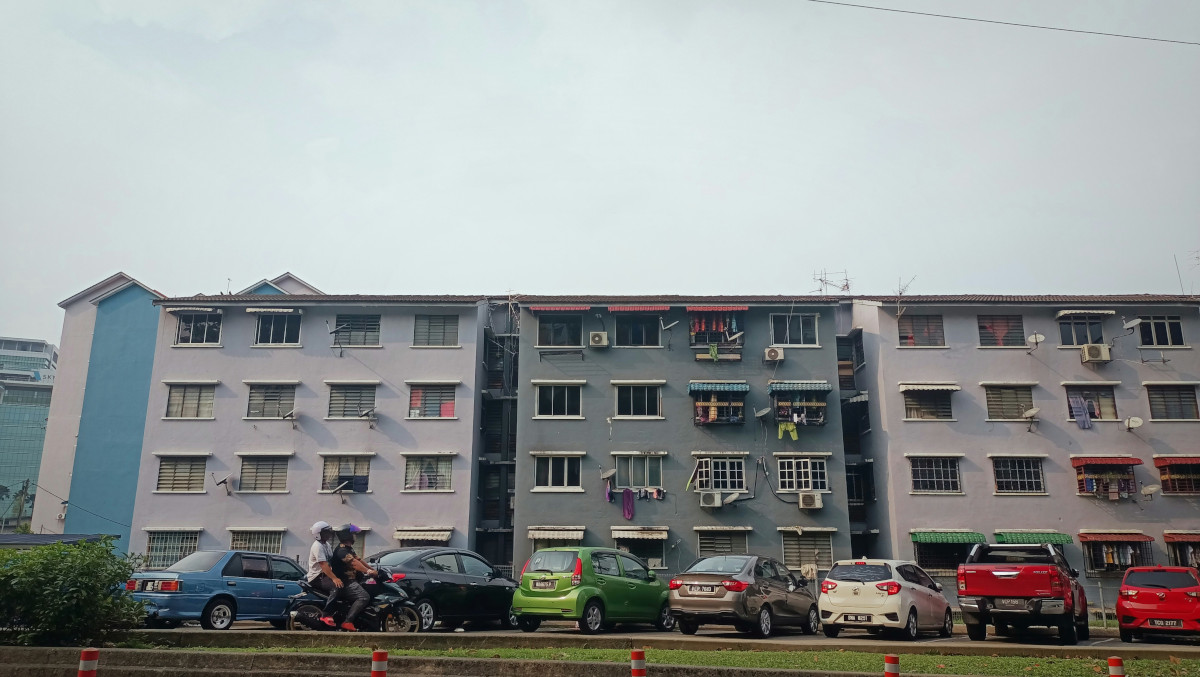
POVERTY is often pictured in very obvious terms: empty wallets, unsafe housing, or an inability to afford basic needs. For a long time, these images have shaped how we define and measure poverty, mainly through income. It is simple, clear, and easy to track.
But today, that framework is no longer enough. Much of what is happening is not always visible in data, but it is felt in everyday life.
In Malaysia, poverty is becoming less visible but more layered. It is less obvious, yet more intricate. In our experience working with Gen Z communities in both urban and rural areas, many individuals appear financially stable on paper, but their struggles are often hidden. They are not poor by definition, but they are not secure enough to feel stable.
Consider a recent graduate in Kuala Lumpur. They may own a smartphone, have internet access, and hold a job with a modest salary.
By traditional standards, they are not poor. But their lived reality can be very different. They may be on short-term contracts, facing rising living costs, and worrying about their future. Over time, this creates stress, uncertainty, and a sense of being stuck.
To understand this reality, we must look beyond income. This is where the Multidimensional Poverty Index (MPI) becomes useful. Instead of focusing solely on money, MPI considers other aspects of life such as health, education, and living conditions—the factors that truly shape well-being.
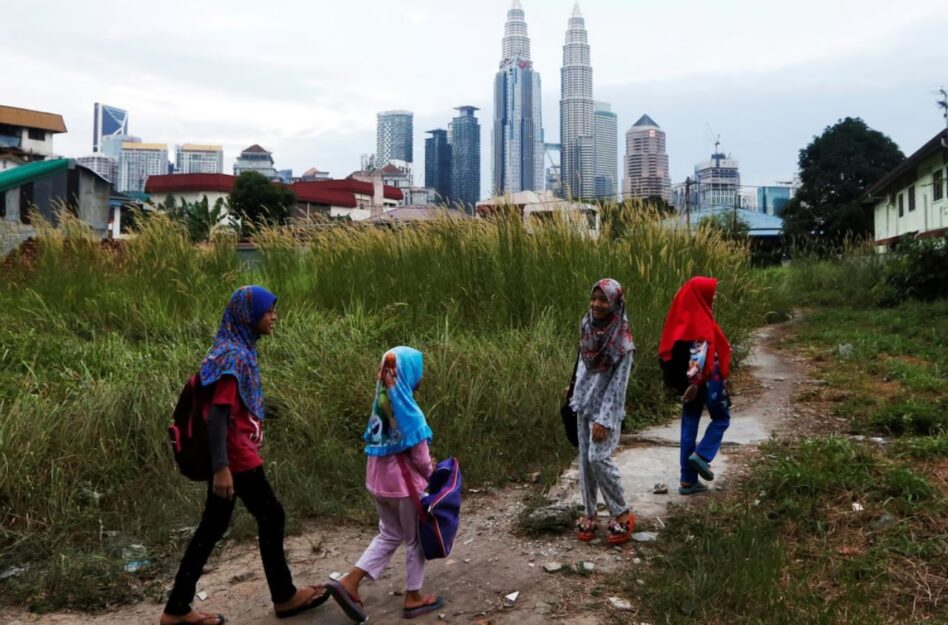
This shift matters because income alone does not always reflect lived experience. A person may earn above the poverty line yet still struggle to access healthcare, quality education, or safe housing. In such cases, income creates a false impression of stability.
Malaysia has made significant progress in reducing income poverty, and this should be acknowledged. According to 2024 data from the Department of Statistics Malaysia (DOSM), the absolute poverty rate declined to 5.1%, down from 6.2% in 2022, while hardcore poverty fell sharply to 0.09%, from 0.2%. These are meaningful achievements.
However, disparities remain. Urban poverty stands at 3.7%, compared to 9.9% in rural areas. At the same time, a relative poverty rate of 16.7%, based on a higher cost-of-living threshold, suggests that a significant portion of the population continues to face constraints in achieving a decent quality of life.
These figures highlight progress, but they also reveal an important truth: poverty has not disappeared. It has changed form.
Across the country, many communities still struggle with access to quality services and opportunities. These challenges are not always visible, but they shape long-term outcomes in education, health, and mobility.
Gen Z may not always describe their situation as poverty, but many feel its effects daily. They are growing up in a rapidly changing environment where digital technology, new forms of employment, and shifting economic structures create both opportunity and instability.
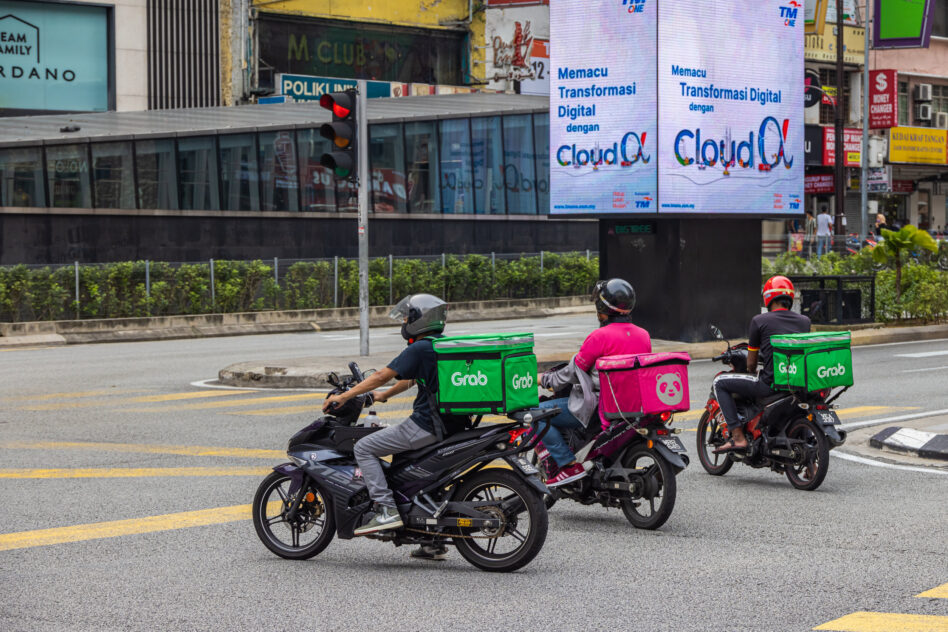
Many young people are employed in gig work or short-term contracts. At the same time, what they study does not always align with labour market needs. Meanwhile, living costs in cities continue to rise faster than entry-level wages. This creates pressure even for those who are employed.
Mental health challenges further complicate the picture, as many young people navigate expectations, financial pressure, and uncertainty about their future simultaneously.
These issues may not be labelled as poverty, but together they create real constraints. Life becomes less stable, choices become narrower, and long-term planning becomes more difficult. This is what we refer to as invisible poverty—where individuals appear to be doing fine, but are quietly struggling.
In this form of poverty, people are not excluded from society, but they are not fully secure either. Poverty is no longer only about income deprivation; it is also about the lack of stability, opportunity, and control over one’s life.
Malaysia’s development has improved many lives, but gaps remain. Rural communities, Indigenous groups, and segments of the urban population continue to face barriers. These are not always income-related, but are linked to unequal access to services and opportunities.
There is growing recognition of this complexity. DOSM has begun incorporating multidimensional measures, reflecting a broader understanding of poverty. These efforts highlight that even when income improves, gaps in education, healthcare, and living conditions persist.
For Gen Z, these challenges become most visible during the transition from education to employment—a critical stage that is becoming increasingly uncertain. Skills mismatches, limited job opportunities, and unequal access to resources shape long-term trajectories.

If poverty continues to be defined only through income, many of these experiences will remain overlooked. There will always be a gap between statistical measures and lived reality. While MPI helps bridge this gap, it too must evolve. Today, factors such as digital access, mental health, and job quality are increasingly essential to well-being and should be part of the conversation.
Reframing poverty is not about weakening definitions. It is about making them more accurate and relevant. Development should not only focus on survival, but on enabling people to build meaningful and secure lives.
For Gen Z, this means access to quality education, stable employment, supportive environments, and opportunities for growth.
Policies must reflect this reality. Financial assistance alone is no longer sufficient. Education reform, mental health support, digital inclusion, and better job creation must all be part of the solution.
Ultimately, reframing poverty is about recognising lived experiences. It requires listening to younger generations and understanding the realities they face. Poverty is not static; it evolves over time and looks different across groups.
In today’s Malaysia, not being poor does not always mean living well. If this is ignored, many will continue to struggle in ways that remain unseen—but deeply felt.
Dr Nik Zirwatul Fatihah is the Research Fellow Post Doctorate at the Ungku Aziz Centre for Development Studies (UAC), Universiti Malaya. Associate Professor Dr Nik Ahmad Sufian Burhan is the Head of the Department of Social and Development Sciences at the Faculty of Human Ecology, Universiti Putra Malaysia.
The views expressed are solely of the author and do not necessarily reflect those of MMKtT
- Focus Malaysia.

No comments:
Post a Comment
Note: Only a member of this blog may post a comment.