


The work-from-home (WFH) policy for federal government staff, which took effect yesterday, has been blighted by technical glitches, forcing many frustrated civil servants to brave the traffic and make their way back to their offices in Putrajaya.
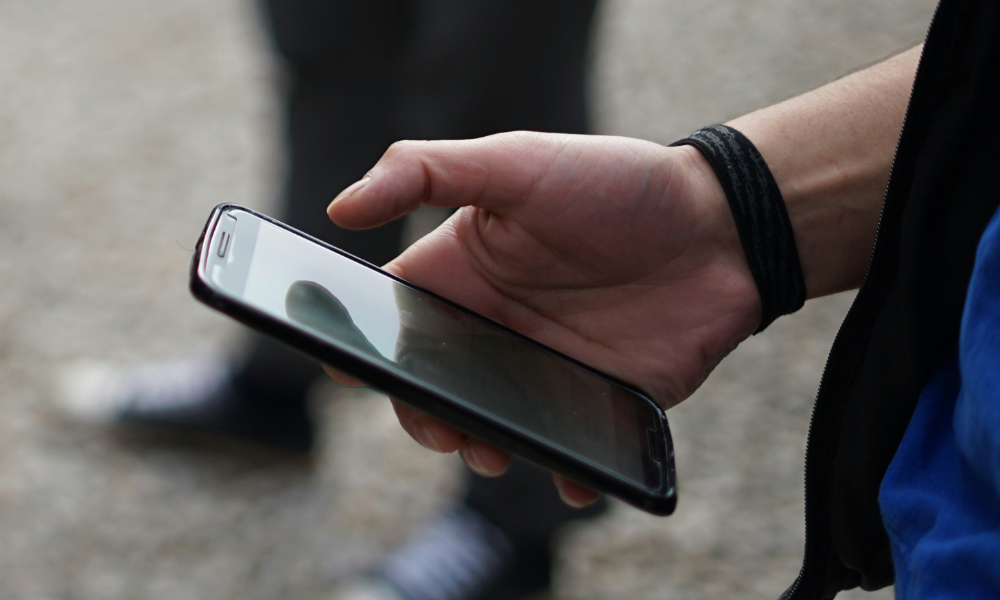
Three civil servants who spoke to Malaysiakini on condition of anonymity said frustrations peaked after the government’s attendance tracking system, Spot-Me, went down, leaving them unable to log in and report for duty.
Questions were also raised about privacy protection, given how the staff are required to geotag their locations while on duty.
“The Spot-Me app has many weaknesses within the system. It was supposed to be something easy for us to use for work, but it’s a hassle.
“It’s incomplete and not user-friendly. The geotag location doesn’t work, and we were told to download a different app if it doesn’t work.
“As the app will have our private data, is it even secure? With how the app is now, I have my concerns,” an officer said when contacted.
They were also perplexed as to why the government did not use MySejahtera instead, which has the potential for upgrading to suit the WFH policy.
“All it needs is a tweak to the interface for civil servants to use. We understand the government’s call is to reduce impact and fuel usage, but the implementation should be better and more holistic. We have gone through the Covid-19 era. I believe we can do better,” she added.
Another staff member said he opted to commute to his office as usual, fearing the technical glitch would affect his work record since he couldn’t log in to mark his attendance.
“The app does not work. It fails when I try to log in. I do not want my record to have issues, so I entered the office,” he said.
Beyond the technical issues with Spot-Me, another civil servant based in Seri Kembangan, Selangor, said working from home was difficult because her children’s school and Quran recitation classes are located near her office.
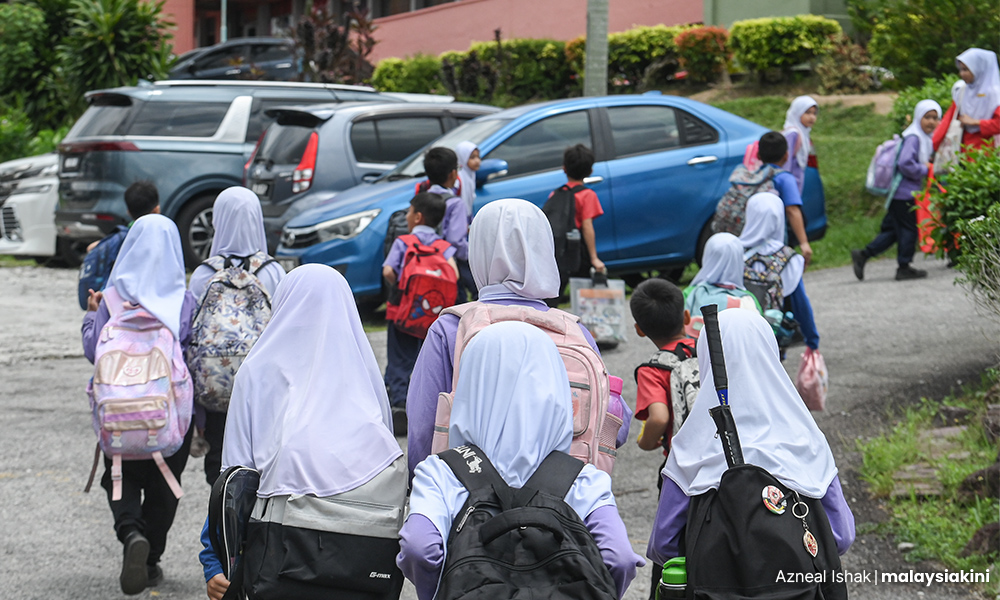
“Many parents choose (a) school (for their children) and schedule their daily routines based on timing. Many of the kids go to school nearby where their parents work, so parents will choose to go to work regardless,” she said.
When Malaysiakini checked with the complainants today, it learned that the issues remain unresolved, though many staff members have since reportedly started working from home.
In a press conference yesterday, Communications Minister Fahmi Fadzil said that Prime Minister Anwar Ibrahim has directed Chief Secretary to the Government Shamsul Azri Abu Bakar to monitor the implementation of the WFH policy for the civil service, including the verification of employees’ presence during work hours.
Addressing a post-cabinet meeting press conference, he affirmed that government services will continue as usual.
How it works
Bernama reported that officers working from home must use the Spot‑Me system to record attendance electronically with hourly geolocation tracking, while department heads will periodically monitor their presence and work output.
The national WFH policy was first introduced in 2020 and 2021 as part of measures to contain the Covid-19 pandemic.
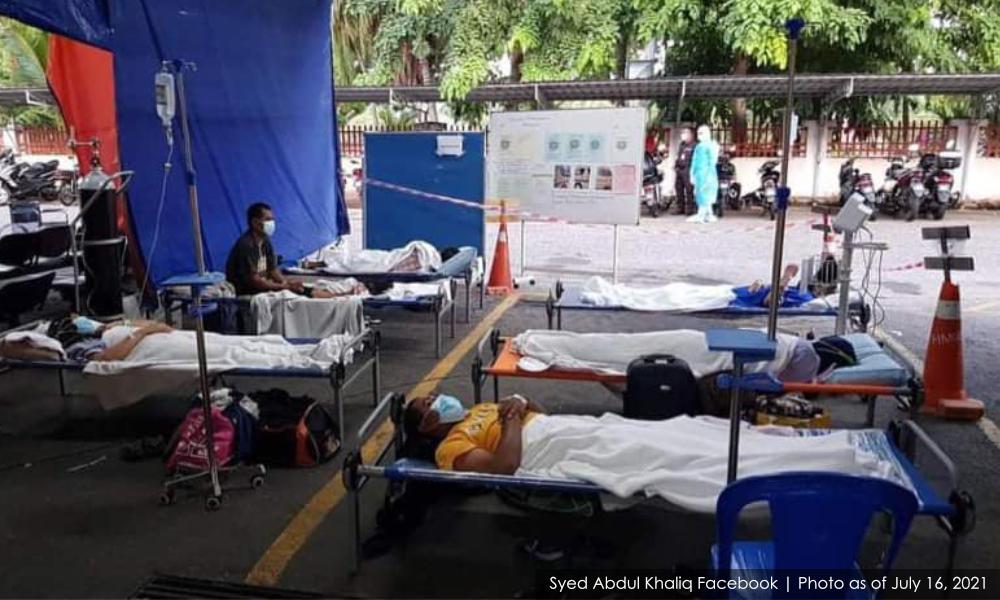
It has since returned, albeit in a more controlled form, in response to the energy crisis stemming from the conflict in West Asia involving the United States, Israel, and Iran.
Federal public servants in Kuala Lumpur, Putrajaya, Selangor, and all state capitals who have a one‑way commute exceeding 8km to their offices are eligible to work from home.
Bernama reported that the WFH days are set according to each state’s weekly rest day: states that rest on Sunday observe WFH from Tuesday to Thursday, while those that rest on Friday observe WFH from Monday to Wednesday.
However, several sectors are excluded, including security and defence services such as the armed forces, police, Fire and Rescue Department, Prisons Department, Maritime Enforcement Agency, Border Control and Protection Agency, and Immigration Department.
The health and education sectors are also exempt from the WFH policy.
All details about the WFH policy are contained in the April 2 circular titled “Implementation of Working from Home for the Public Service Following the West Asia Conflict”, signed by Public Service Department director-general Wan Ahmad Dahlan Abdul Aziz.
According to Bernama, the circular states that heads of departments in other eligible sectors are responsible for identifying essential services and determining WFH schedules based on operational needs.
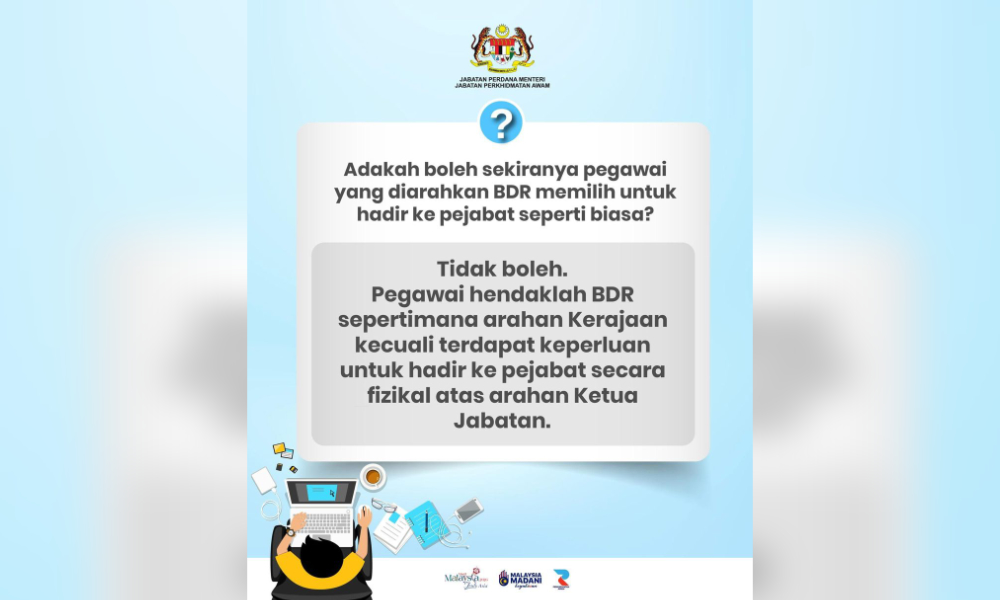
The designated workplace must also be fixed at the address registered in the human resource management information system.
All is well, but…
Bernama reported Wan Dahlan saying the WFH implementation proceeded smoothly without disrupting public service delivery.
However, he reportedly said that more time is needed to assess the impact of its implementation.
“As we already know, the WFH arrangement, which began yesterday, is going smoothly, and media reports also indicate that its implementation has not encountered any problems.
“It has not affected the services provided. However, for a clearer picture of its impact, we need some time, perhaps a week, when more comprehensive data can be gathered to assess its effectiveness,” he was quoted as saying today, after an event in Kedah.
Malaysiakini has contacted the Digital Ministry, the National Digital Department, Wan Dahlan, as well as Shamsul’s office for comments and is awaiting replies. - Mkini

No comments:
Post a Comment
Note: Only a member of this blog may post a comment.