


It has been more than a month since the Iran-US conflict began, and the start of a global energy crisis. Even if peace is achieved today, it would take months, if not years, before damage is repaired and normality is achieved.
There is an urgent need for a swift response for Malaysia to weather this crisis as best we can.
Earlier in the month, Transport Minister Anthony Loke described the situation as a crisis, and now, Economy Minister Akmal Nasir has decided to drop the bombshell that our fuel supply would hit a critical point in June.
Despite the urgency in these two ministers’ statements, the rest of the government and political actors behind them seem unperturbed.
The prime minister opened poorly to this crisis with his address to the nation. As the war escalated, Anwar Ibrahim led with the curtailment of the RON95 subsidies and left other measures out.

While experts raised concerns of an impending crisis, our neighbours rationed oil use. Our government chose to bury its head and enjoy the holiday festivities unconcerned.
Regardless of Anwar’s opening move, the energy crisis marches towards us unimpeded. When the federal government pushes for work-from-home protocols, Penang's initial refusal has inched into reluctance to consider such necessities.
Rather than working to address the crisis, the state government prefers to invest its energy in harassing and disrupting government critics.
While delivery riders call for intervention, due to the heightened cost of operations and the reduced subsidies, Perikatan Nasional opted to continue with its motorcycle convoy and defend it.
We sat on Petronas laurel’s and our capacity to produce and trade oil, and settled with the knowledge that our oil reserve would last us until the end of May.
Are we planning as though it is certain that time and life would come to a stop at the tick of 12am on May 31? Allowing things to continue at the “normal” pace while knowing that our reserves are depleting is absurd!
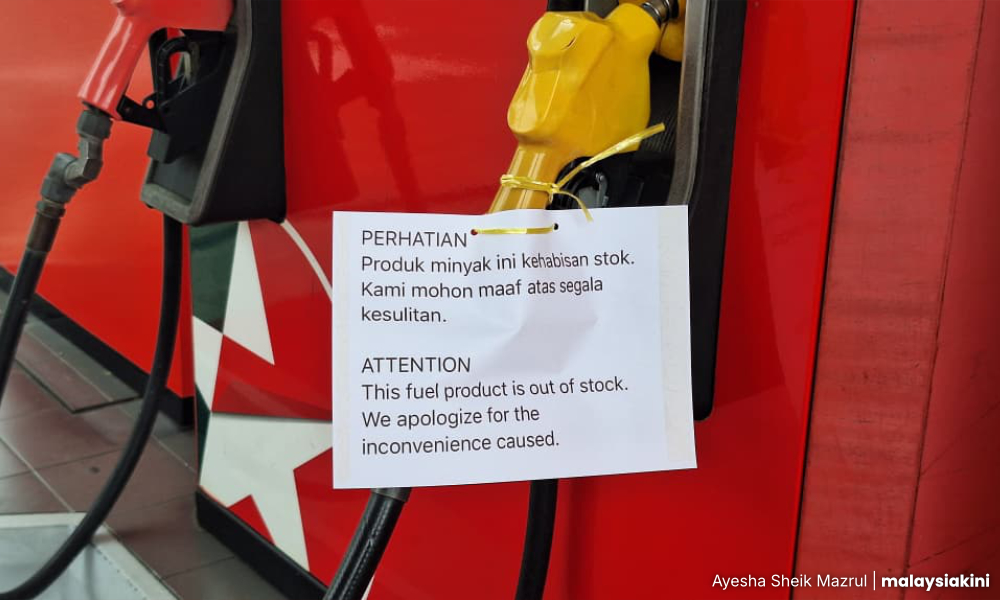
We all know that it is impossible to provide an immediate remedy to oil dependency and price shocks in April and May. What we can do is pivot quickly on key areas that could reduce dependence in the months to come.
I am certain we can increase public transport routes, availability, or support alternative transportation like Kummute. There are multitudes of ways - and some are worse than others - we can reduce cars on the road, which would directly reduce oil use and reduce wastage due to traffic jams.
Difficult road ahead
The crisis requires us to plan beyond May. It requires us to plan for months, if not years, ahead. Even if the Strait of Hormuz is opened for business tomorrow, it would take a good while before production is back to normal.
We are not just dealing with natural disasters where industrial equipment and its replacement can be shipped in from a neighbouring state.
We are looking at a region-wide damage that directly impacts the logistics of the world. Just because equipment is available today, there is no guarantee that it can be economically shipped to where it is needed, and there is no guarantee that the next drone will not destroy it.
If we still have sufficient fuel past May, are we assured that we have enough coal to power our electrical grid? In case anyone was not aware, coal remains one of the primary power generation sources for Malaysia, with the massive plants in Manjung, Perak, that provide 24 percent of our national energy use.
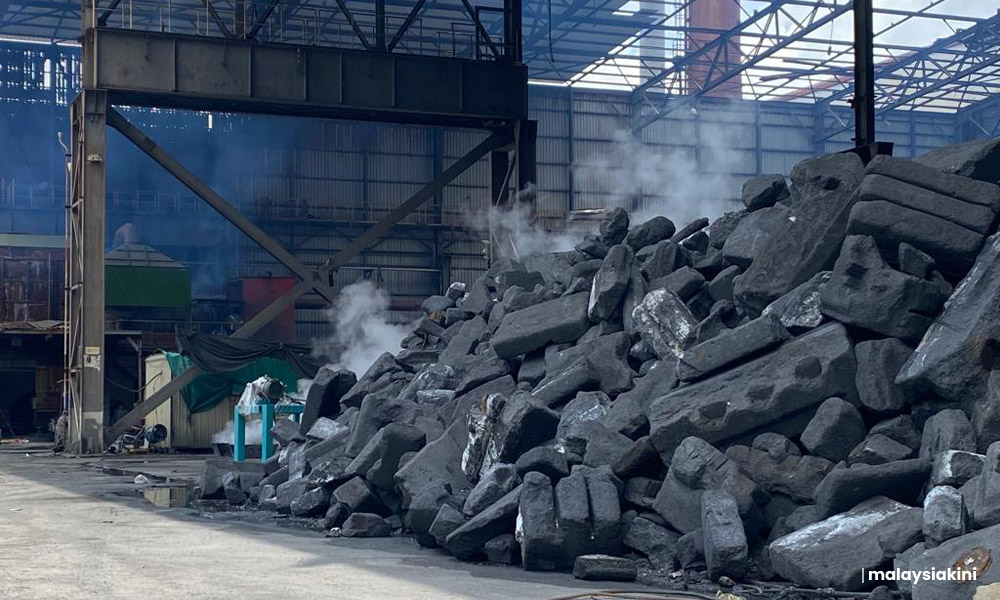
The International Energy Agency indicates that in 2023, Malaysia consumed 984,642TJ of coal, and it domestically produced a mere 83,645TJ of coal.
About 91.5 percent of our coal demand for energy is imported, reportedly from Indonesia and Australia. Relying blindly on coal would only be repeating the mistake we made with oil.
And we have yet to even touch on liquefied natural gas and liquefied petroleum gas dependence and the immediate impact of price increase, which would inevitably filter down to consumers.
Could we have done better?
Environmental groups did not start campaigning for a green energy transition today. There has been enormous work by various groups and stakeholders to push green energy adoption.
If we had implemented significant changes a decade ago, we would have achieved notable independence from fossil fuel, and that would have helped weather disruption to the international oil trade in the near-term.
Hydropower, despite its controversies, would have given us additional lifelines.
If the government were open and transparent about Malaysia’s energy needs and proactive engage communities around these needs, there would have been more robust discussions and debates in society about the efficacy and ethics of building these dams.
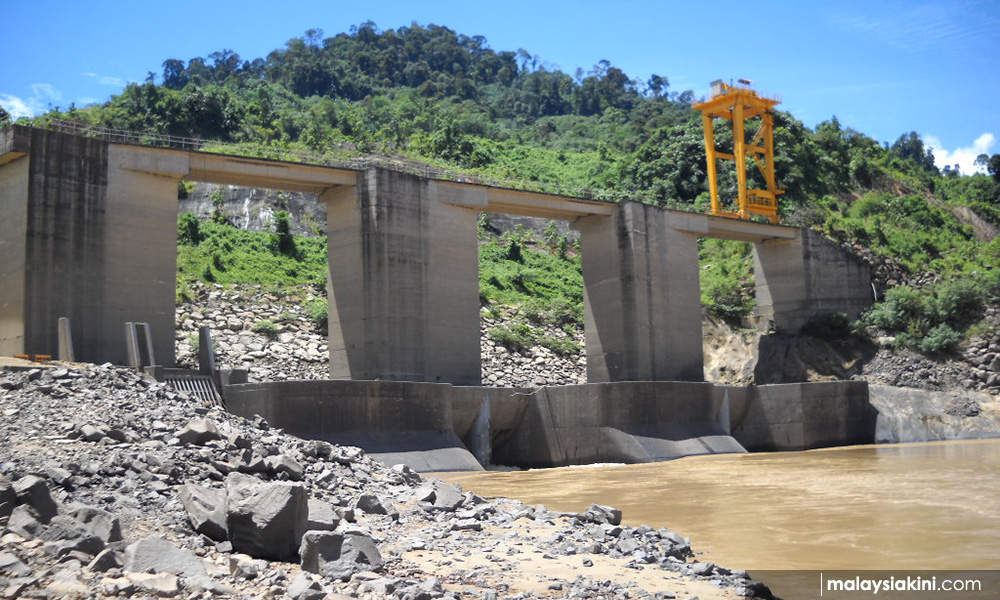
Communities affected may also be more willing to make compromises if they knew the energy needs of the country and the opportunity cost of our existing power generation.
While it is too late for these to happen and help us with the current crisis, starting these difficult conversations today will ensure that we will not be as dependent tomorrow.
China is now reaping the benefits of their energy transition, and I cannot help but think, “That could have been us.”
Bipartisan solution
Moving forward, the government and opposition must accept the reality surrounding this crisis that was imposed on us by imperialist powers.
No matter our political leanings, the crisis cannot be managed or resolved alone by the Madani government, nor would it be magically resolved if PN were in power.
We have missed all the easy exits to our predicament. It is inevitable that many unpopular but critical policies must be implemented to safeguard our national interest and survival.
Policies that would be impossible to implement without bipartisan support, and willingness for all political actors to go to the ground to share a common message.
The recommendation for a bipartisan committee is on the table. It is up to Anwar to offer the opposition parties a formal role to co-develop our policies to respond to the energy crisis. - Mkini
DOBBY CHEW is Muda vice-president and also works at Hayat on criminal justice reform and the death penalty.
The views expressed here are those of the author/contributor and do not necessarily represent the views of MMKtT.

No comments:
Post a Comment
Note: Only a member of this blog may post a comment.