


As dementia cases rise, gaps in understanding and support continue to push families to breaking point.
From Dr Cecilia Chan
When I first met June (not her real name), she existed in a state of withdrawal. She could hardly walk, and her words often fadedbefore they reached the air. She struggled to lift her hands or even find the strength to smile.
Six months later, June is unrecognisable. She is now the one offering a steadying hand to others, guiding them to the washroom or the kitchen. She helps prepare meals with confidence, and has even stood alongside the fire department during drills.
During our recent pop-up Forgotten Mutiara Café, where June served as master chef, a reporter asked about her journey. Her answer stayed with me: she said her transformation began the moment she felt accepted.
When she was no longer corrected with insults, ignored or dismissed, something shifted; because she was finally seen for who she truly is, she felt safe enough to relax and be herself.
That moment reaffirmed a belief I hold deeply: as a society, we have the power to transform the lives of those living with dementia. When we replace discrimination with radical acceptance, we do not just provide care – we restore meaning.
Why is this so difficult for us to grasp?
Recently, I received a desperate call from an aged-care operator. She said she was “losing her mind” because a resident was wandering, eating other people’s food, and sleeping in different beds.
Her solution was to send him to a psychiatric clinic for sedation, just to stop him from roaming.
I wish this were an isolated case but, sadly, it is not. This is the reality in Malaysia – an ageing nation that remains tragically unprepared. We have normalised physical and chemical restraints because we have failed to equip our workforce with the tools to support cognitive impairment.
Consider the irony. In Malaysia, we would never let a hairdresser touch a pair of scissors without months of training. Yet, when it comes to the complex, shifting landscape of a human life, we expect families and staff to navigate dementia care with no training and no manual.
This gap creates a devastating domino effect. When care is rooted in misunderstanding rather than clinical strategy, behaviours are met with frustration or sedation instead of empathy.
And the consequences extend far beyond the individual. This mismanagement deepens stigma, turning a medical condition into something feared and misunderstood.
We begin to see a “behavioural problem” instead of a person facing a neurological barrier.
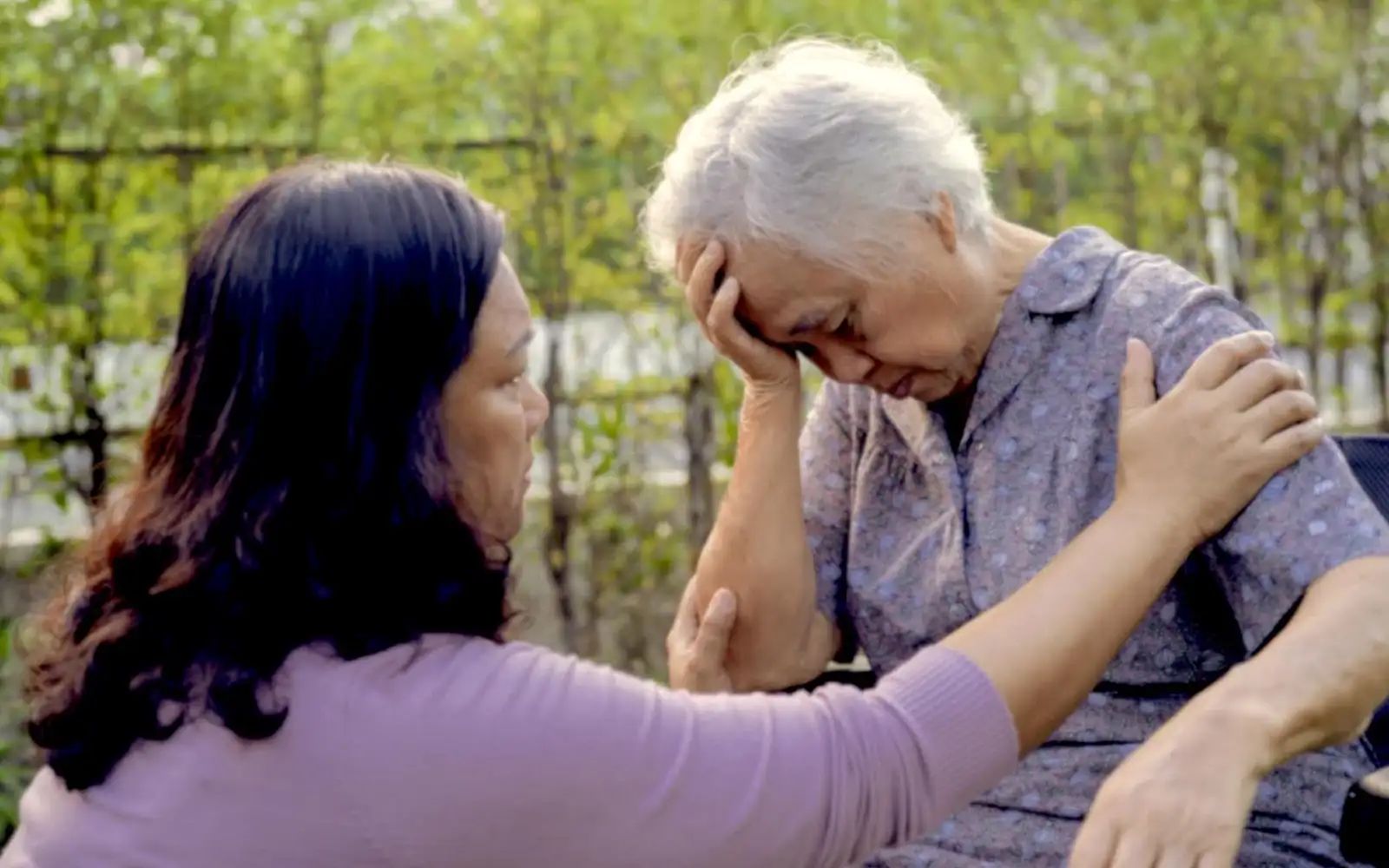
Shame then becomes the silent companion of the diagnosis: families retreat into isolation, cut off from support, until they reach a breaking point. For many, the only remaining option is long-term institutional care – facilities already strained by the same shortages and lack of training.
Behind closed doors, another reality unfolds. During a conversation with a devoted husband caring for his wife alone, he broke down – not from a lack of love, but from the overwhelming weight of guilt, exhaustion and loneliness.
He believes he is failing. Society has told him this is a burden he must carry in silence, and stigma has kept him from reaching out.
Caregiver burnout is not a personal failure, it is a systemic one. For too long, we have treated the exhaustion of caregivers as a private struggle, something to be endured quietly.
In truth, it is the inevitable result of a society that undervalues care work and underfunds the infrastructure of ageing.
We cannot expect families to provide professional-level care without professional-level support. To ignore the collapse of the caregiver is to ignore the collapse of the very foundation of our community. - FMT
Dr Cecilia Chan is a gerontologist, dementia advocate and FMT Reader.
The views expressed are those of the writer and do not necessarily reflect those of MMKtT.

No comments:
Post a Comment
Note: Only a member of this blog may post a comment.