


Malaysian academics are increasingly practising self-censorship out of fear that discussions touching on race, religion, and royalty (3R) could trigger public backlash, harassment, or accusations that may jeopardise their careers and work.
In a recent “Explain Sikit, Kini” podcast discussing the role of public intellectuals, two academics said the boundaries surrounding so-called sensitive issues in Malaysia have become increasingly vague, particularly in the age of social media and rapid information sharing.
They warned that comments made in academic settings could easily be taken out of context, amplified online, and turned into controversies within minutes, exposing their fraternity members to legal threats.
“These sensitive boundaries are not something particularly healthy, especially for academics, whose role is to seek knowledge and disseminate knowledge, and knowledge is never neutral.
“Knowledge will always be sensitive, and it should not be regarded as wrong simply because it does not align with the dominant political narrative. If it is an unpopular idea, it may then be seen as wrong.
“The problem is that the mechanism we lack is protection. An academic may analyse or unpack an issue, but that protection is never really there because, within today’s information ecosystem, public reaction is extremely fast.
“It can happen within seconds, within minutes, and it quickly goes viral,” a Universiti Malaya (UM) academic, Khoo Ying Hooi, said.
Conflicting signals from universities
Khoo also pointed out what she sees as a contradiction within universities.
On one hand, she said that universities encourage academics to write opinion pieces and participate in public debate, but on the other, academics are left worrying about what may happen afterwards - whether they could face criticism, controversy, harassment, or institutional repercussions after publishing their views.
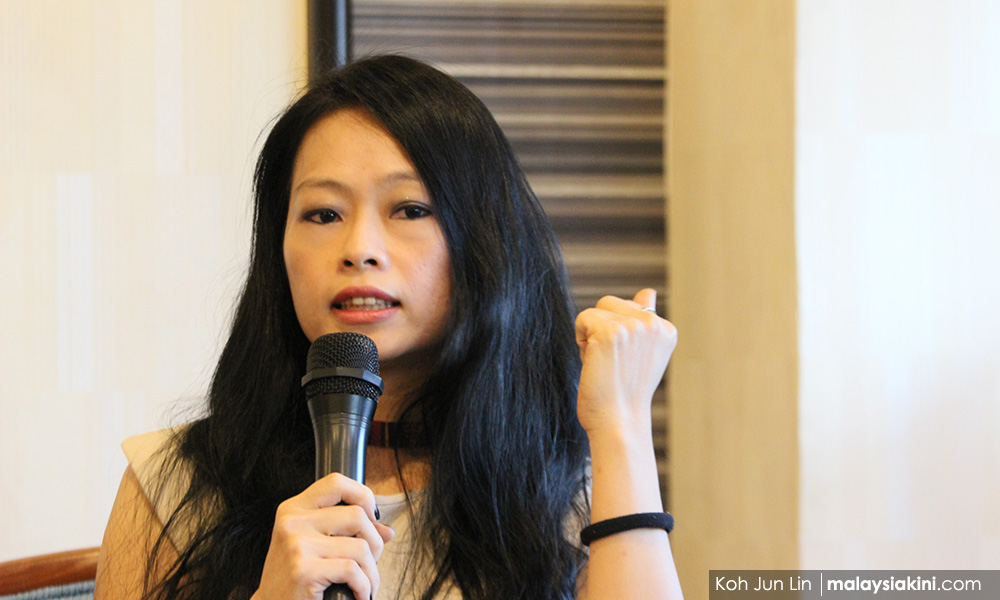
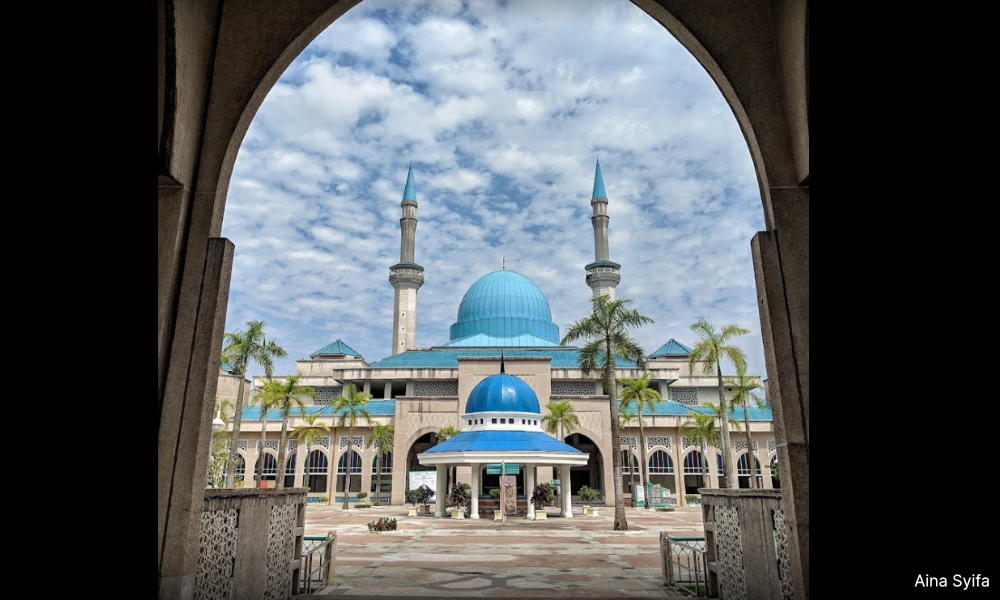
International Islamic University Malaysia (IIUM) academic, Syaza Farhana Shukri, echoed Khoo’s sentiments.
Syaza said the risk of facing repercussions over purely academic matters remains a constant concern at the back of her mind.
“We do not really know how it can be applied nowadays, because it can be used in almost any kind of case.
“Even something minor, perhaps just an objective question that we genuinely want to understand, or maybe even a complaint from outside, can be turned into a 3R issue.
“The moment we touch even slightly on identity, it can be framed around religion and become a 3R issue, and, as (Khoo) mentioned earlier, it then gets amplified, goes viral, and becomes a problem.
“But coming back to your question, for me personally, it is always at the top of my mind that I need to be careful. Having said that, my work is centred on race and religion, so it is not something I can avoid,” Syaza said.
Summoned over article
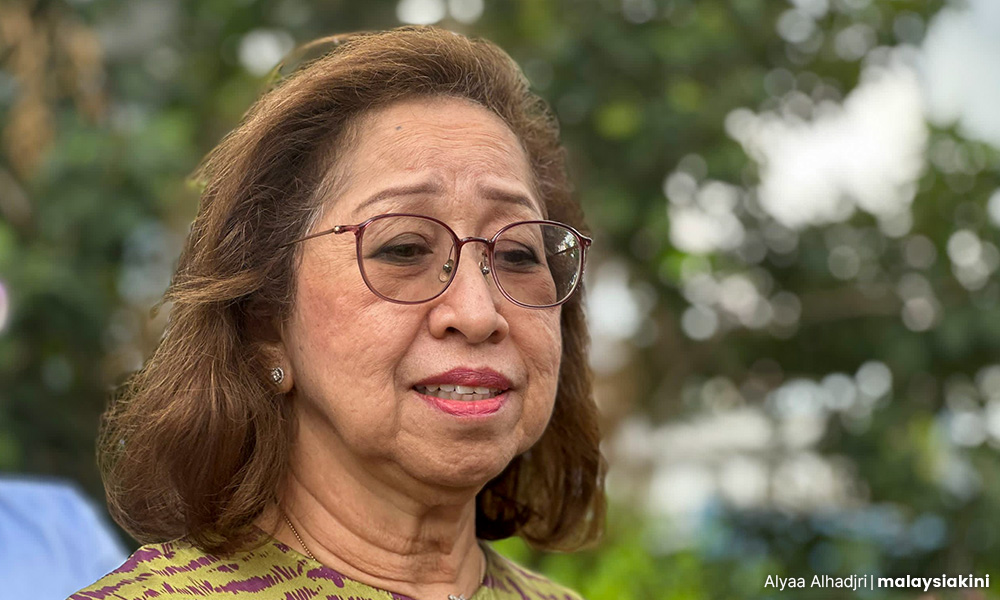
The political science expert had her first run-in with the law on March 10 this year, after she was summoned by the police to facilitate probes into an alleged attempt to topple the government, with authorities singling out views she had expressed in a 2024 article.
She was summoned to Bukit Aman as part of investigations into Na’imah Abdul Khalid, the widow of former finance minister Daim Zainuddin, under Section 124B of the Penal Code.
The section deals with activities detrimental to parliamentary democracy and carries a jail term of up to 20 years.
Syaza told Malaysiakini then that she was summoned for her views expressed in a South China Morning Post article dated Dec 26, 2024, relating to former prime minister Dr Mahathir Mohamad’s role in the Pulau Batu Puteh issue.
In the article, Syaza, who was referred to in her capacity as the head of the International Islamic University of Malaysia’s political science department, was quoted as saying that Anwar is “public enemy No 1” for Mahathir and the opposition.
She added that if the government were to go ahead with investigations against Mahathir, the opposition “will have a field day to paint this very negative picture of Anwar”.
“My writings, the things I teach, and the issues I speak about all revolve around race and religion. So, as people would say, I have to be a little more resilient, a little braver.
“Even then, I still receive criticism. I have also been labelled - people call Syaza ‘liberal’ and all sorts of other labels.
“Perhaps I am fortunate to have a support system. My university is quite supportive of me, so they do protect me. Because of the nature of my work, this is not something I can avoid. I do have to speak on these issues.
“But we all know where the limits are, in the sense that there are certain matters I simply will not mention or touch on, so we are all aware of that.
“Still, if we want to be fair as academics, we need to discuss these issues. I hope we can open up that opportunity, that space, so that more people are willing to accept criticism or discussions surrounding sensitive issues,” Syaza added.
While there is no specific “3R Act”, enforcement is usually linked to existing laws such as the Sedition Act 1948 and the Communications and Multimedia Act 1998, as well as provisions under the Penal Code relating to public disorder, incitement, or religious sensitivity.
In recent years, the phrase “playing the 3R card” has become common in Malaysian political discourse, especially during elections or public controversies.
‘We’re nobodies’
Khoo and Syaza also weighed in on former minister Khairy Jamaluddin’s criticism of local academics.
In his recent “Keluar Sekejap” podcast, the former MP said that the prevalent public confusion about aspects of Malaysian history should be blamed on “cowardly” academicians.
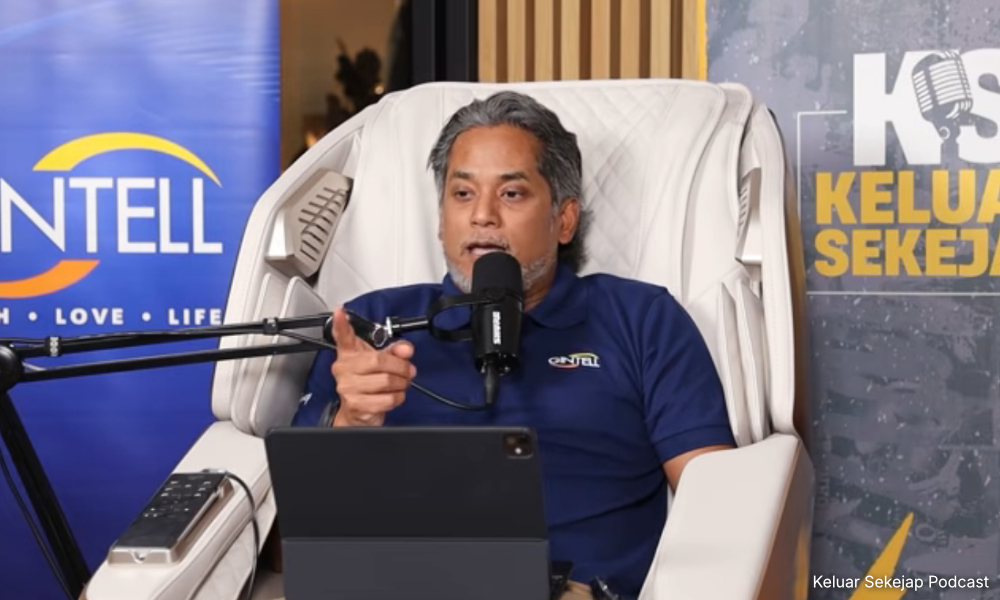
In a snippet from the show, he criticised the country’s history professors and experts for remaining silent while misinformation about the nation’s past continues to spread.
“So on one hand, I can see both sides of the argument,” said Syaza.
“Yes, it may appear that our academics are rather quiet and not speaking up. But we also have to understand that all of us are thinking about our livelihoods. It is our career, our future. Do we really want to jeopardise that by speaking out?
“There should be more voices speaking up, but we have to understand the reality that it is not as easy as that.
“It is easier for him to say (that) because of who he is. He is a former minister; he has all that protection. But who are we? We are literally nobody,” Syaza lamented.
Khoo, meanwhile, said the government is often too quick to penalise and is driven by pressure to appease the public rather than a proper process
“If the public is angry, they will do everything possible to calm the public down without carrying out a proper investigation, or they are not brave enough to issue statements that may be unpopular, and to protect academics.
“And I think that is a very serious problem, and this has not happened just once, but repeatedly,” Khoo added. - Mkini

No comments:
Post a Comment
Note: Only a member of this blog may post a comment.