

Jamil Ghani says although Malaysia’s increased resilience has not entirely eliminated its exposure to global shocks, the impact is far more manageable.
Jamil Ghani said that while the increased resilience has not entirely eliminated Malaysia’s exposure to global shocks, the impact has been far more manageable.
More than five decades later, tensions in West Asia are once again disrupting global energy markets. Yet, while historical comparisons may be instructive, Jamil said the mechanisms at play today are fundamentally different.
He said today’s risks—unlike in 1973, when supply was restricted—lie in disruptions to a critical transit route, with even partial interruptions likely to have far-reaching consequences.
Iran has blocked the movement of almost all traffic passing through the Strait of Hormuz—a vital chokepoint that handles about one-fifth of global oil and liquefied natural gas—following strikes by the US and Israel, a move that has sent global oil prices soaring.
The Islamic Republic has also attempted to lay mines and is targeting tankers transiting without Tehran’s consent through the waterway, with the US countering by imposing a blockade on all vessels bound to or from Iranian ports.
“In the past, oil was used as a political tool through supply cuts. Today, the leverage comes from disrupting the movement of energy rather than its production.
“Although the logic of using energy as leverage remains, the mechanism has shifted from production control to chokepoint disruption, which is arguably less predictable and harder to manage,” he told FMT.
Beyond oil, fertilisers, petrochemical feedstock and other materials linked to Gulf supply chains have also been caught in the fray, limiting the flow of goods into global markets.
Nevertheless, Jamil said Petronas as Malaysia’s oil and gas linchpin, continues to play a key role in cushioning the impact of the current global energy crisis on the country.
Last month, the national oil and gas company confirmed that fuel supply at its stations nationwide will remain secure until the end of June, an extension from its earlier projection of end-May.
The company supplies about 50% of the country’s fuel needs through its public-listed subsidiary, Petronas Dagangan Bhd, with the balance supplied by other oil firms operating in Malaysia.
It also said that it would continue to actively manage its supply chain to ensure sufficient stock across its station network amid the ongoing conflict in West Asia, which Jamil said would help anchor public confidence.
“Petronas is effectively fulfilling its core mandate of maintaining domestic supply stability.
“At the same time, the firm is also managing exposure through its diversified upstream portfolio and its position as a net exporter of LNG which provides some fiscal and operational flexibility,” he said.
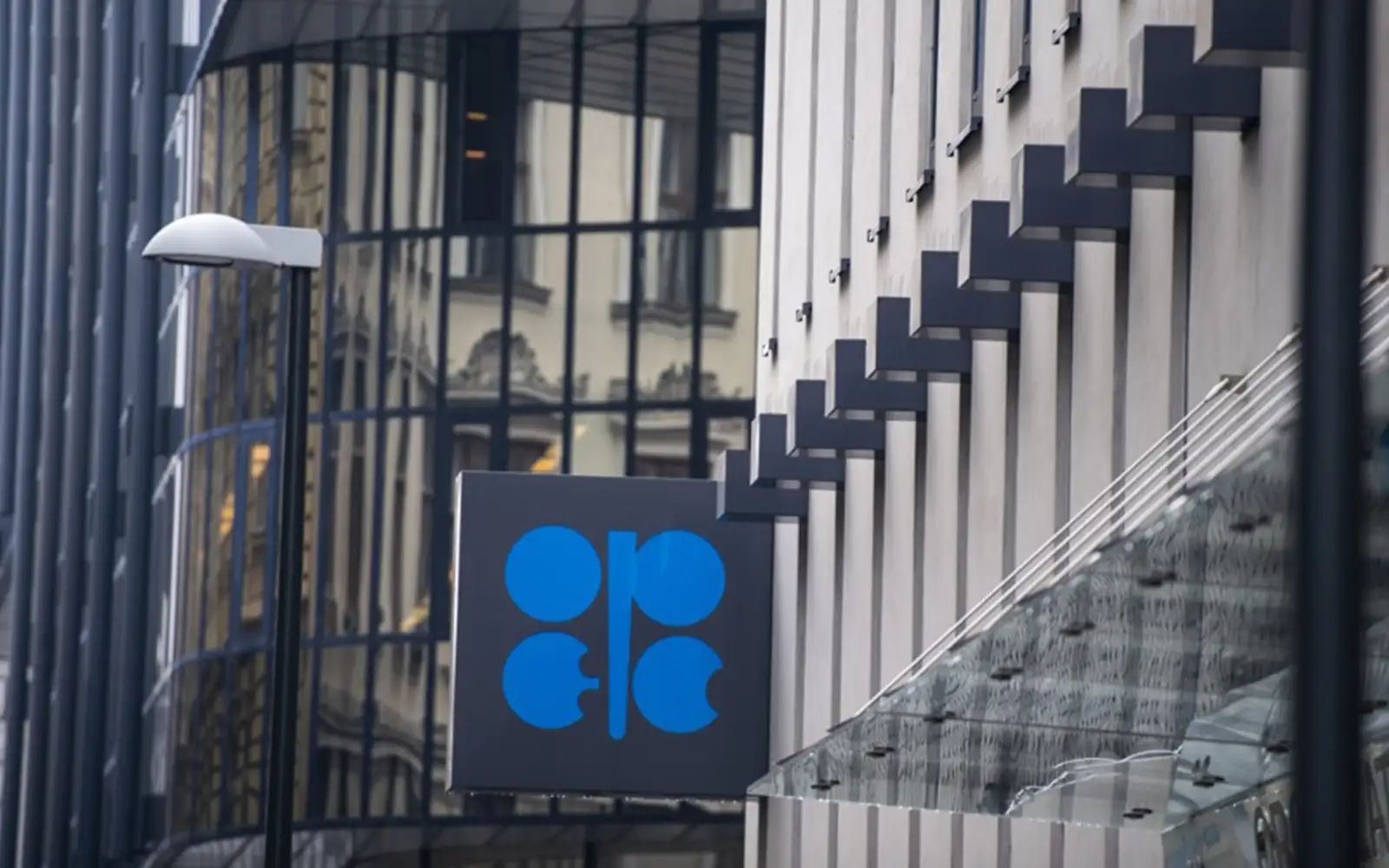
The first of a series of oil shocks struck in 1973, when the Organisation of the Petroleum Exporting Countries (Opec) imposed an oil embargo amid a war between Israel and a coalition of Arab states led by Egypt and Syria.
Though Malaysia was not directly targeted, the embargo exposed vulnerabilities in its domestic energy system, including limited refining capacity, strategic governance and control over resources.
These gaps were later addressed through stronger state control, the development of refining and petrochemical capacity and more coordinated long-term planning of the sector, which led to the creation of Petronas.
Looking ahead, Jamil said that while institutional strength remains the foundation of energy security, it must be complemented by broader strategies to address evolving risks.
These include diversifying supply routes, strengthening regional interconnections and investing in technologies to support a more flexible energy system.
He said energy security should ultimately go beyond simply ensuring supply to focus on building a system that can absorb and adapt to disruptions, including across electricity networks, digital infrastructure and supply chains. - FMT

No comments:
Post a Comment
Note: Only a member of this blog may post a comment.