


WEALTHY individuals often seek influence to secure status and shape outcomes, using money as leverage over politics and decision-making. This is often driven by ego, status anxiety, and a sense of entitlement.
In criminology, this relates to a form of hedonism: the constant pursuit of wealth, status, and gain, driven by a mindset of “never enough,” where satisfaction is always out of reach.
Corruption is often seen as something driven by necessity. However, this is not always the case. Some of the most severe corruption and fraud cases involve individuals who were already extremely wealthy and powerful, with more resources than they could realistically spend.
Even in Malaysia, evidence suggests that major damage has not come from those struggling to survive, but from those who already had significant wealth and still sought more.
Wealth does not remove the temptation of corruption among the wealthy; instead, it can reshape it into more subtle and strategic forms.
This is evident in the Panama Papers leak, which exposed large offshore financial networks used by wealthy politicians, corporate leaders, and celebrities to hide assets and engage in money laundering.
Wealthy individuals, white-collar criminals, and economic elites may engage in corruption to increase wealth, consolidate power, maintain social prestige, bypass regulations, distort fair competition, and channel resources and opportunities towards those willing to exploit the system for personal gain.
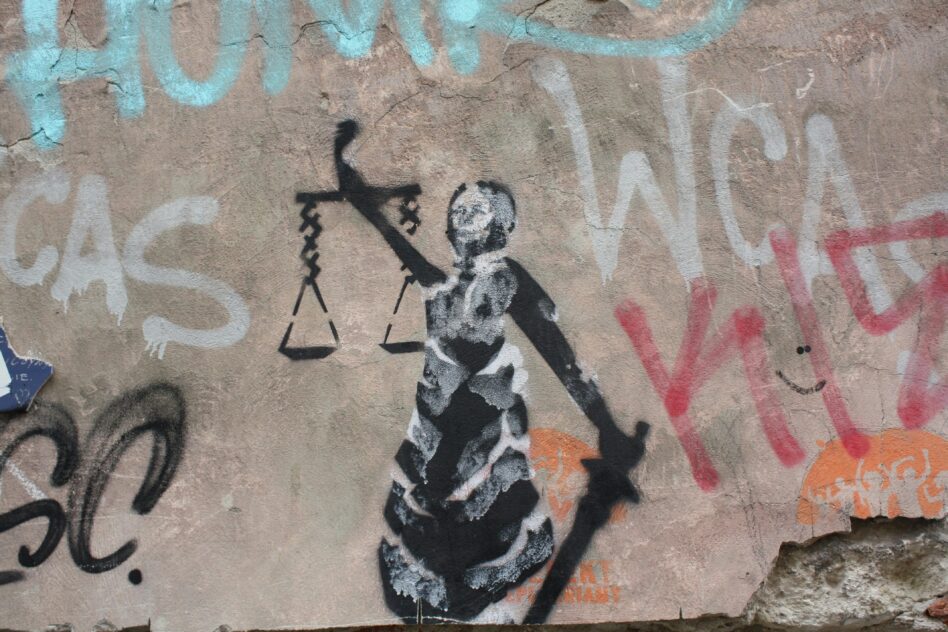
Scholars argue that this behaviour is often embedded within systems themselves, rather than occurring by chance.
In A Social Theory of Corruption, Sudhir Chella Rajan explains that large-scale corruption is built into social structures, allowing powerful groups to shape the “rules of the game” to protect their long-term interests.
Similarly, Dark Money by Jane Mayer shows how concentrated wealth can influence political systems, enable insider dealings, and shape policy decisions.
While corruption is often associated with the poor, research shows it is also prevalent at higher levels, where it can reinforce and expand wealth and power.
According to the Centre for Research on Multinational Corporations (SOMO), wealthy individuals often exert strong influence over decision-making.
Through lobbying, political donations, philanthropy, and media influence, they can shape rules in their favour and affect major industries.
At the lower end, petty corruption is often linked to survival. At the elite level, corruption is more closely tied to ambition, control, and legacy-building.
Wealthy individuals often prioritise maintaining lifestyles involving luxury assets, travel, and social status, while poorer individuals focus on meeting basic needs.
When influence over institutions becomes unchecked, some individuals may begin to see themselves as operating above the rules. As Lord Acton famously noted, “Power tends to corrupt, and absolute power corrupts absolutely.”
Another factor is low perceived risk. Wealthy individuals may believe they are unlikely to face serious consequences due to their access to top legal representation, ability to delay or challenge investigations, and capacity to influence public opinion through media and public relations strategies.
In some cases, networks and connections may also exert indirect pressure on enforcement processes. As a result, corruption may be viewed not as a high-risk crime, but as a calculated risk that can be managed.
In industries such as construction, energy, defence, and large-scale infrastructure—where contracts are worth billions of ringgit—corruption can be used strategically by wealthy individuals or corporations to gain advantage.

With access to decision-makers, outcomes may be shaped even before formal procurement processes are completed, reflecting patterns of grand corruption in public contracting.
Wealthy individuals also often donate to political campaigns, increasing their influence over decisions and policies. This can create expectations of reciprocal benefits such as contracts or licences.
Without strong safeguards, this leads to conflicts of interest and weakens fair competition within procurement, regulation, and political financing systems.
A “money addiction” mindset can further reinforce greed, where individuals prioritise accumulation over ethical boundaries.
Extreme wealth can also foster entitlement, leading some to believe that rules do not apply to them, and justifying corrupt behaviour such as preferential treatment or regulatory bypassing.
Corruption among the wealthy can also be sustained through networks and peer pressure. In elite business and political circles, corrupt practices or exchange of favours may become normalised.
Those who refuse to participate risk exclusion from deals, partnerships, or decision-making circles.
To conclude, preventing corruption among the wealthy requires strong political will, effective reforms, and greater transparency in government contracts and political financing.
Oversight from audit bodies, a free press, an active civil society, and strong whistleblower protections are essential to exposing wrongdoing and limiting abuse of power.
Ultimately, corruption among the wealthy is often a strategic choice to consolidate influence and shape systems in their favour. However, the deeper question is whether current systems are strong enough to prevent it.
Without meaningful reform, wealth will continue to shape the rules—often at the expense of the public.
Datuk Seri Dr Akhbar Satar is a Professor of Criminology at HELP University.
The views expressed are solely of the author and do not necessarily reflect those of MMKtT.
- Focus Malaysia

No comments:
Post a Comment
Note: Only a member of this blog may post a comment.