


A small and medium enterprises association has raised concerns about the potential impacts of the ongoing royal and political turmoil in Negeri Sembilan.
Highlighting that recent developments in the state have emphasised the importance of maintaining a stable and predictable environment, SME Association of Malaysia president Chin Chee Seong urged that conflicts be addressed through proper and lawful institutional channels.
“As a non-political, industry-focused organisation, the SME Association of Malaysia does not take positions on political matters or intervene in constitutional processes.
“However, it must be emphasised that prolonged uncertainty - regardless of its source - carries real economic consequences,” he warned in a statement yesterday.
He noted that from an economic standpoint, such instability affects investment decisions, business expansion plans, hiring and workforce commitments, as well as cash flow stability and overall sentiment.
“SMEs serve as a real-time barometer of economic conditions: when SMEs slow down, it signals weakening economic momentum, (and) when SMEs remain confident, it reflects stability and trust.
“This makes SME sentiment a critical indicator for policy urgency and economic direction,” he added.
Last night, the top leaders of BN and Pakatan Harapan resolved to continue cooperating in the coalition government in Negeri Sembilan.
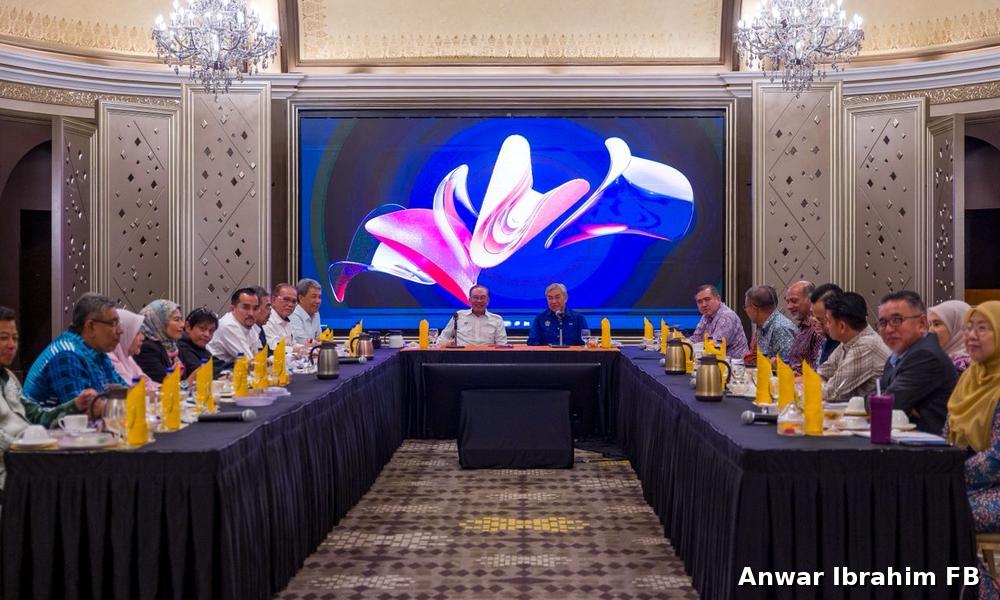
The decision came after the state’s BN chapter announced on April 27 that all 14 of its assemblypersons had withdrawn support for Menteri Besari Aminuddin Harun over the PKR leader’s handling of royal issues.
The royal dispute in the state, however, took a legal turn after its four territorial chieftains opted to drag the state government to court over a dispute surrounding the sacking of Sungai Ujong chieftain Mubarak Thahak.
Tensions over Mubarak’s ousting also involved the chieftains' retaliatory sacking of Negeri Sembilan ruler Tuanku Muhriz Tuanku Munawir last month.
Whole-of-nation response
Chin further highlighted escalating pressures linked with rising fuel and energy-related costs, cautioning that since spillover effects could affect employment and domestic demand, a coordinated, whole-of-nation response is needed.
Priority, he said, should be placed on stabilising the operating environment for businesses, ensuring continuity of economic activity and employment, as well as delivering timely, practical, and targeted support measures.
“The feedback from SMEs is clear: the pressure is immediate, and the window for early intervention is narrowing.
“This is no longer solely a cost issue - it is a liquidity, confidence, and sustainability challenge. Early intervention will help mitigate deeper economic consequences,” he added.
Chin also referenced findings from a nationwide survey conducted last month, which he said found that 70 percent of SMEs are “significantly affected” by rising fuel and energy-related costs, with no sector reporting zero impact.

Additionally, over 80 percent of SMEs are experiencing double-digit cost increases, many exceeding 20 percent, while 45 percent anticipate serious cash flow challenges within the next three to six months.
These indicators, he said in the statement, point to a critical shift as cost pressures rapidly evolve into liquidity and business sustainability risks.
Mitigation mechanisms
Chin stated that the impact of rising energy costs transmits across the SME ecosystem through various avenues, including higher logistics and transportation costs, upstream supplier price adjustments, increased operational and compliance expenses, and weakening consumer demand driven by inflation.
The effects are then recorded in progressive margin compression across sectors, a shift from growth to defensive business strategies, delayed investments, hiring freezes, and reduced expansion, as well as heightened exposure to cash flow instability.
“There is also growing evidence of supply chain disruptions, delivery delays, reduced pricing flexibility, and declining purchasing power,” he said.
Arguing that targeted, time-bound, and execution-driven interventions are important in the current situation, he put forth several recommendations from the association, including immediate targeted fuel cost mitigation mechanisms for SMEs and short-term electricity tariff stabilisation in affected sectors.
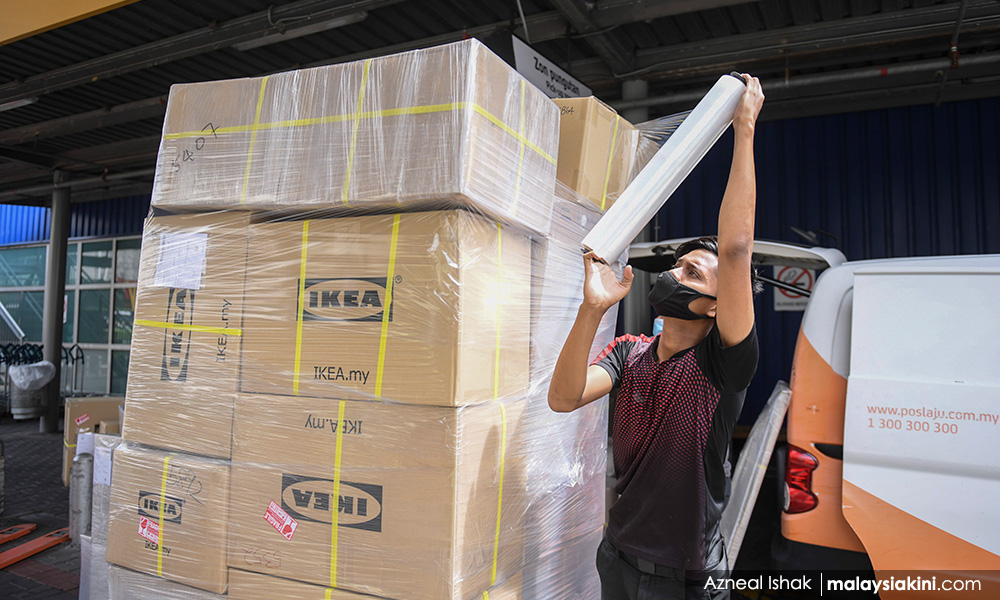
Besides measures to ease logistics bottlenecks, manage cost pass-through pressures, and strengthen local sourcing resilience, he also urged the accelerated disbursement of existing government commitments, including tax refunds and grants.
The latter, he said, should be implemented alongside reduced administrative delays and improved inter-agency coordination. - Mkini

No comments:
Post a Comment
Note: Only a member of this blog may post a comment.