


A farmer from Kantale in northeast Sri Lanka received a plot of land from the government after he filed a right to information (RTI) request in 2018.
The quality of care at a hospital in Kilinochchi improved after a group of rural women filed RTI requests on why the centre lacked staff despite it receiving additional funds.
The government set a ceiling price for bottled drinking water after a community activist filed an RTI request because prices for the item varied between companies and different businesses.
These are among the real-world impacts that communities in Sri Lanka have felt after the nation enacted its RTI law in 2016, which allows anyone to request information held by the government.
The above cases were documented by lecturer and researcher Ashwini Natesan in 2021 for a United Nations-funded study on the impact of the RTI law.
As Malaysia prepares to table its own version of an RTI law - the Freedom of Information Act (FOI Act) - in the Dewan Rakyat later this month, Sri Lanka’s experience can provide valuable lessons on the challenges and pitfalls ahead.
It is learnt that Sri Lanka was one of the countries that Putrajaya’s Legal Affairs Division studied for insights to form a strong and effective FOI Act.
In a two-part series, Malaysiakini spoke to experts in Sri Lanka on how the law impacted its society, the obstacles over its nearly 10-year journey and what lessons Malaysia can learn.
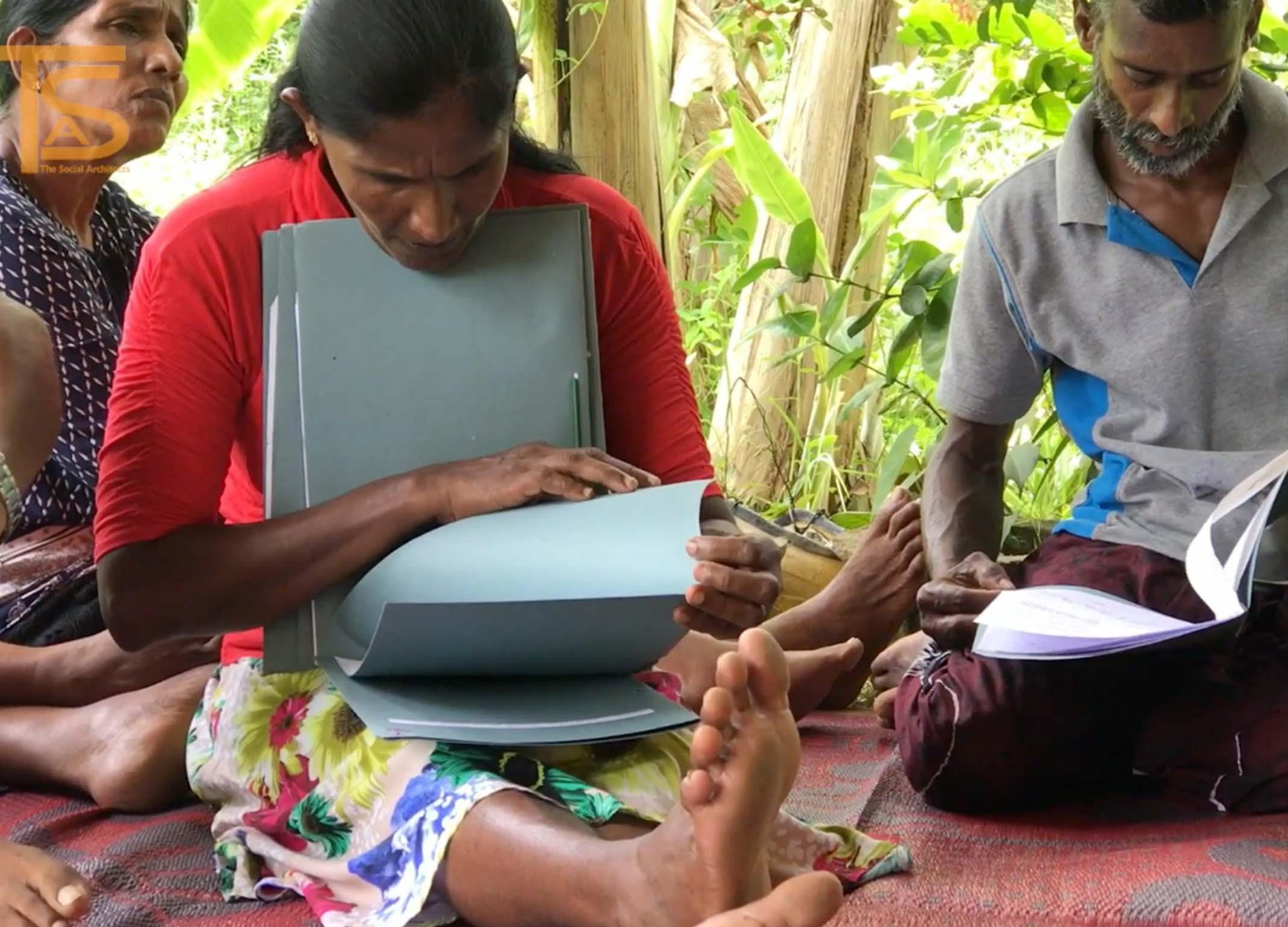
Sherine Xavier, director of Sri Lanka NGO The Social Architect, which trains communities to use RTI law, said the law has fundamentally changed mindsets in the island nation.
Besides cases involving land allocation and how the government spends its funds, the RTI law has helped families affected by the nation’s 26-year civil war, she said.

She cited cases in which families fleeing their homes during the war used the RTI law to get information about the properties and assets that they were forced to leave behind.
“For many affected families, access to such information has been an important step towards pursuing remedies, clarifying the fate of lost property, and asserting their rights in post-conflict recovery processes,” Xavier told Malaysiakini.
“Communities that once felt powerless, or believed that access to information depended on personal connections or knowing someone influential, now increasingly understand that information belongs to the people and that public authorities have a legal duty to provide it.
“RTI has helped shift the relationship between citizens and the state from one based on patronage and discretion to one grounded in rights, transparency, and accountability.”
Brief overview
The Sri Lankan Parliament passed the RTI Act in June 2016, and implemented the year after. The law allows citizens the right to request any information held by a government entity, whether it be a ministry, agency or statutory body.
According to a Centre for Independent Journalism study, Sri Lanka’s law also extends to corporations, educational institutions and NGOs that have received substantial public funds.
Private companies contracted to carry out public functions and those the government controls 25 percent or more of shares also fall under the scope of the RTI law, the CIJ said.
Government information requests in Sri Lanka are free, and information officers are required to take down oral requests when applicants are unable to put them in writing, according to the Right to Information Commission.

Fees are only charged after applicants are successful in their requests and depend on the amount and type of documents that the public entity must provide.
Information officers are given 14 days to respond to requests, after which they can ask for an extension of 21 days.
When the request relates to the life and personal liberty of a citizen, the information officer shall provide a response to the request within 48 hours.
Applicants who are unsatisfied with the information officer’s response to their requests can file an appeal with a designated officer.
If applicants are still unsatisfied with the designated officer’s reply, they can file a separate appeal with the RTI Commission, an independent body that oversees enforcement and policy-making related to the Act. There are no fees charged for appeals.
A mixed, but positive decade
Commissioner Kishali Pinto-Jayawardena, one of five members of Sri Lanka’s RTI Commission, said that overall, it has been a good first decade for the law even though significant challenges remain.
Requests increased every year for the first three to four years after the RTI law came into force in 2017, but the numbers have stabilised, she said.

Besides the types of requests mentioned above, citizens have applied for information ranging from presidential decisions to tenders given out by ministers.
Also commonly requested is data on asset declarations, educational backgrounds and criminal records of parliamentarians, she added.
“The rate of government compliance with requests was high in the first few years,” Pinto-Jayawardena explained to Malaysiakini.
Xavier said the group’s experiences over the past decade have been “mixed but generally positive”.
“During the early years, many public authorities were unfamiliar with their obligations under the RTI Act. Requests were often ignored, delayed, or unnecessarily transferred between different public authorities,” the NGO director said.
The culture of secrecy in the public service when it came to information was hard to break through, she said, but over time this was chiselled away, thanks in part to the RTI Commission.
“The RTI Commission has played a critical role in setting standards, issuing decisions, conducting awareness programmes, and building confidence among requesters,” said Xavier.
Pinto-Jayawardena said the rate of success for appeals is high, and when they are dismissed, it is generally due to an information request not being clearly worded.
Another reason for unsuccessful appeals is when there is private interest to be protected, such as the medical records of a third party, she added.
“The RTI Commission has the power to prosecute officials who do not comply, and the courts have the power to impose a jail term. That is a strong motivation to comply!” she said.
Xavier said many public institutions now have designated information officers who understand the law and try to respond more professionally.
Overall, government responsiveness today is considerably better, she said, in terms of awareness among public officials regarding RTI requests, the rate and quality of responses, the number of available information officials and procedures for handling requests.
“However, there remains substantial room for improvement. Implementation remains uneven.” - Mkini
Part 2: What Malaysia needs for effective FOI law
This series was produced with the help of a grant from the Centre for Independent Journalism.

No comments:
Post a Comment
Note: Only a member of this blog may post a comment.