Azam's tenure in NFCC shows govt's lack of accountability
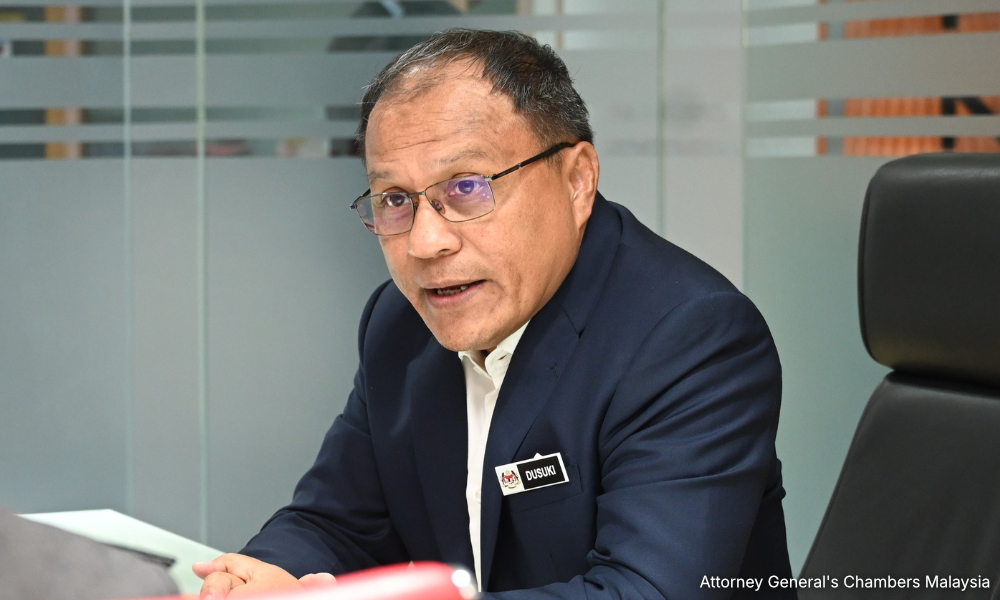
On June 30, Attorney-General Dusuki Mokhtar posted pictures from a meeting of the National Anti-Financial Crime Centre (NFCC) advisory board that featured former MACC chief commissioner Azam Baki.
Azam’s presence at this meeting raised serious concerns as to his role in the high-level meeting, especially in light of his numerous scandals and investigations for which findings are yet to be made public.
In light of this, the Center to Combat Corruption and Cronyism (C4 Center) and Bersih express outrage that findings from investigations against Azam and the MACC have still not been made public, and strongly call for a royal commission of inquiry to thoroughly and transparently investigate these allegations.
Major conflict of interest concerns
Azam’s tenure as MACC chief commissioner has been marked by scandals and numerous allegations of impropriety, both against himself and the MACC at large.
The NFCC cannot claim to have any credibility or authority over matters relating to financial crime when an individual repeatedly accused of similar offences sits among their ranks.
The failures of every single institution in holding Azam and the rest of the MACC accountable make his presence on the NFCC even more egregious.
This only sends a message that the government does not take matters of corruption or financial crime seriously, and certainly does little to allay concerns about preferential treatment being shown to Azam.
While the NFCC has clarified that Azam has been a member of its advisory board since 2024, this only serves to reinforce questions regarding his continued presence there.
This raises the question: despite the numerous investigations against Azam and the MACC, why was he still allowed to maintain a position on this advisory board?
Considering the role of the board, which includes advising the prime minister and deliberating recommendations made by the executive committee on matters relating to financial crime, Azam’s presence there only demonstrates that the government does not treat issues of corruption and financial crimes with any real seriousness.
Moreover, it is particularly shocking that Dusuki serves as director on the NFCC advisory board of which Azam is a member, while at the same time leading the investigatory committee against him.
It is highly suspect that the investigator would continue closely working with the investigated – sufficient distance must be placed between both parties to ensure that investigations take place without favour.
Dusuki Mokhtar
On top of the lack of transparency, this matter places further doubt on the efficacy and rigour of investigations against Azam.
ADS
Numerous scandals with no accountability
The controversies Azam has been mired in are numerous, and implicate him personally as well as call into question his tenure as MACC chief commissioner.
In his personal capacity, Azam has been the subject of two separate shareholding scandals in 2021 and 2026, accused of initiating politically-motivated probes against the prime minister’s rivals while shielding a close ally, and alleged to have intimidated a whistleblower in the Sabah corruption scandal.
At the same time, under Azam’s leadership, the MACC has been subject to highly damaging allegations by Bloomberg in February 2026.
They alleged that top MACC officials had taken part in schemes orchestrated by a network of corrupt businesspersons dubbed the “corporate mafia”.
Despite these damning allegations, Azam remained in office for a total of six years - through three tenure extensions - before his term ended in May 2026.
While the government did announce investigations into Azam’s shareholdings through a special committee in February 2026, its findings have not been made public.
Additionally, the police, the Securities Commission (SC), the Inland Revenue Board and the MACC itself were instructed to probe the “corporate mafia” matter. These have also seen no progress.
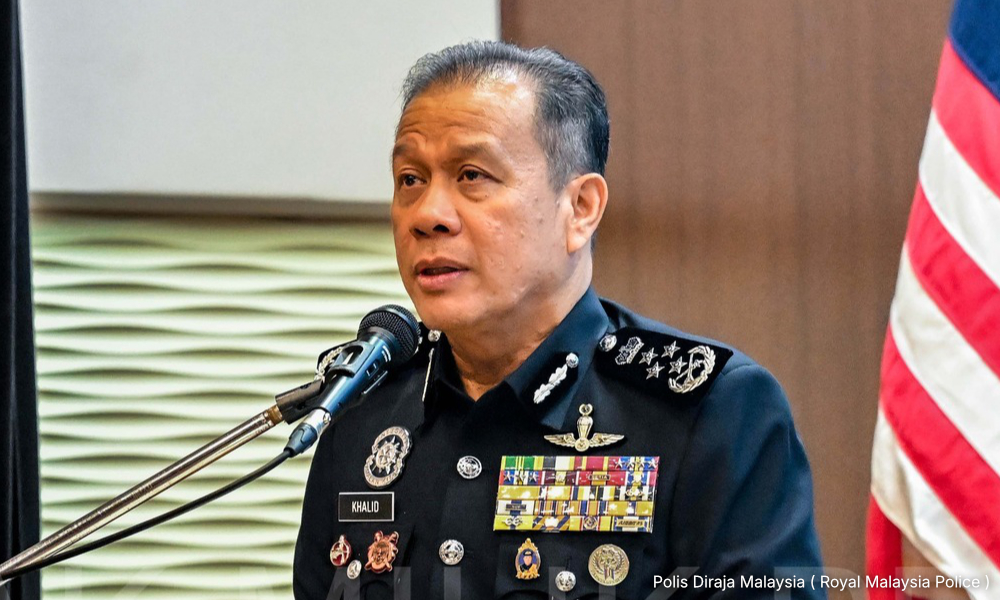
The Inspector-General of Police Khalid Ismail stated in April 2026 that no evidence was found linking the MACC to the allegations, with no updates provided since.
Khalid Ismail
The SC has also taken a backseat in the investigations, claiming that they cannot act on the allegations as they fall outside of securities laws.
Reforms can no longer be ignored
At this point, the government under the leadership of Anwar has repeatedly sidestepped every possible opportunity for reforms that would create a transparent and independent MACC.
There has been a strident refusal to subject Azam to due process in assessing the veracity of allegations made against him. It’s clear that the executive cannot be left to govern itself.
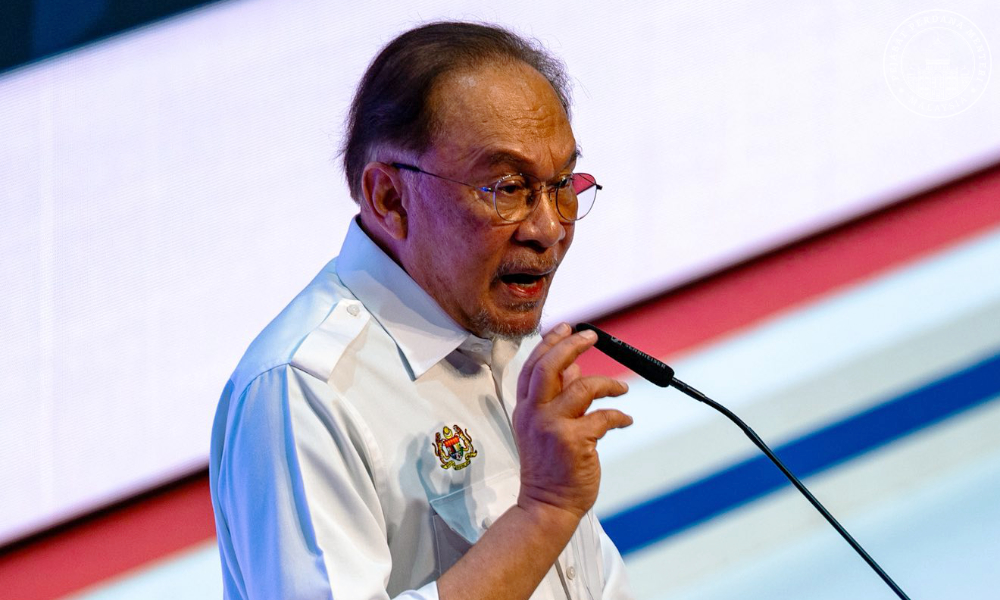
Prime Minister Anwar Ibrahim
While the failure of accountability by the government is concerning in itself, the persecution of activists is even more alarming, demonstrating their insistence on defending those subject to allegations of corruption.
Executive director of Bersih, Asraf Sharafi, was recently deported from Sabah by the state government, on the same day he appeared at a protest to demand an RCI into Azam and the MACC.
Student activists from Universiti Malaysia Sabah also faced disciplinary action after this protest.
Hence, C4 Center and Bersih demand that:
The findings of the special investigative committee against Azam be released immediately for public scrutiny;
The government advise the Yang di-Pertuan Agong to invoke Section 2(1) of the Commissions of Enquiry Act 1950 to constitute an RCI, helmed by respected former members of the judiciary, looking into the “corporate mafia” allegations, Azam’s involvement in these allegations, and his own shareholdings scandal;
The process of appointment of the chief commissioner of the MACC be taken out of the executive and instead placed under the oversight and control of Parliament, specifically a parliamentary special select committee (PSSC) in the Dewan Rakyat, bound by clear and specific criteria and processes. The removal of the chief commissioner also must follow the same process of removing Federal Court judges; and
4. The MACC itself be placed under the oversight of the aforementioned PSSC as well, and for the PSSC to be extended powers to conduct inquiries, summon witnesses, request documents, and recommend sanctions against any wrongdoing.
- Mkini
C4 CENTER and BERSIH issued the joint statement.
The views expressed here are those of the author/contributor and do not necessarily represent the views of MMKtT.
No comments:
Post a Comment
Note: Only a member of this blog may post a comment.



No comments:
Post a Comment
Note: Only a member of this blog may post a comment.