


Amid heated debate over the feasibility study of conducting mayoral elections for Kuala Lumpur, PKR MP Tan Kar Hing hurled brickbats at those who are putting a racial spin on the matter.
The Gopeng lawmaker argued that voters usually assess a candidate’s leadership qualities and policies, not their race or religion alone.
Tan (above) also pointed out that people in major cities like London and New York have voted in Muslims as their mayors, despite the cities having a Muslim population of only 15 percent or less.
“Zohran Mamdani was elected as mayor of New York in January- a city with only 10 percent Muslim population.
“And in London, Sadiq Khan has been the mayor since 2016.
“In both the New York and London mayoral elections, a majority of voters chose candidates from minority communities, with Mamdani winning with 51.5 percent of the vote and Khan getting 56.8 percent of the vote.
“In other words, voters do not make decisions based solely on the colour of their skin or religion, but rather, on the quality of leadership of the candidates.
“(They would) evaluate, compare the candidates running and how well (the candidates) are able to protect the rights and interests of the city’s residents,” he said in a statement today.
Feasibility study
On Feb 1, Minister in the Prime Minister’s Department (Federal Territories) Hannah Yeoh instructed her office to conduct a study on the feasibility of holding a mayoral election for Kuala Lumpur.
She said it is considering such an election as it would be more practical than electing multiple city councillors through local council polls.
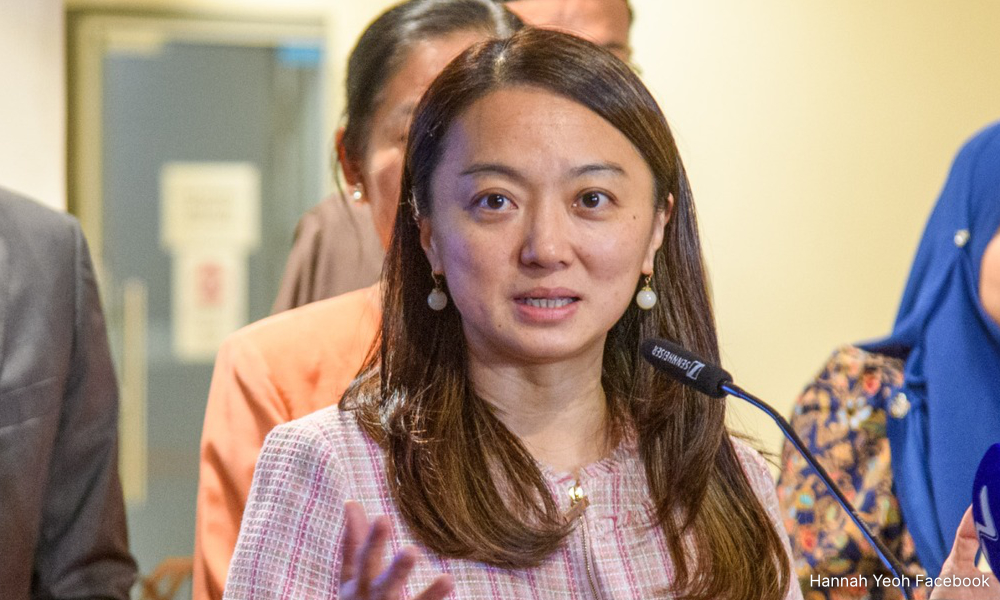
Yeoh pointed out that the current administrative structure already involves “too many units”, with the capital overseen simultaneously by a mayor, MPs and Kuala Lumpur City Hall (DBKL) advisers.
Following Yeoh’s remarks, Umno pushed back against the feasibility study, with the party’s leaders playing on sentiments aimed at riling up Malays instead of logical arguments that challenge the merits of such polls.
Standing firm with the government’s move to look into the potential of the polls, Yeoh later emphasised that one should “never be afraid of research”.
She has also clarified that the study is being carried out by the International Islamic University Malaysia (IIUM), after which its findings will be brought to the cabinet.
Empowering the people
On that note, Tan urged politicians to lead the people instead of resorting to fear-mongering or "allowing their voters to remain backwards" due to critics' inability to compete in terms of administrative efficiency.
He added that under the local election mechanism, voters would have the power to change the mayor if the incumbent’s performance is not satisfactory.
Although democracy may not guarantee the best candidate becomes the mayor, Tan said an election would allow the majority decide on who gets the job.
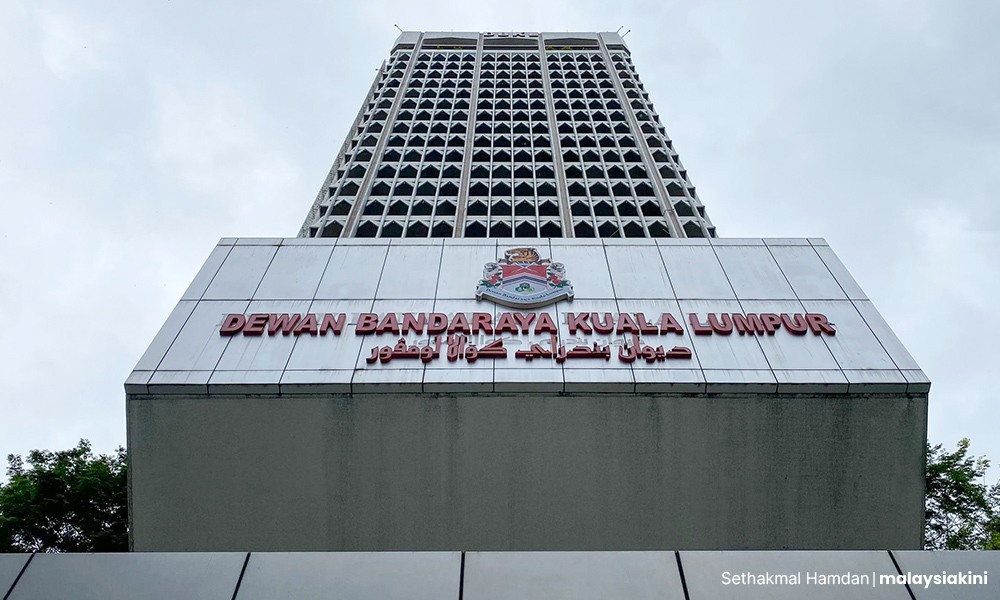
“Voters evaluate and compare the candidates running - how well they are able to protect the rights and interests of the city’s residents.
“(Moreover, the voters would) evaluate the urban planning policies that are presented, as well as the effectiveness of their implementation (because) failed urban planning, for example, may result in flash floods, which do not discriminate based on race or religion.
“This would make (the elected) mayor directly responsible to the voters at the grassroots level, and not to the instructions of political parties’ leadership,” he added.
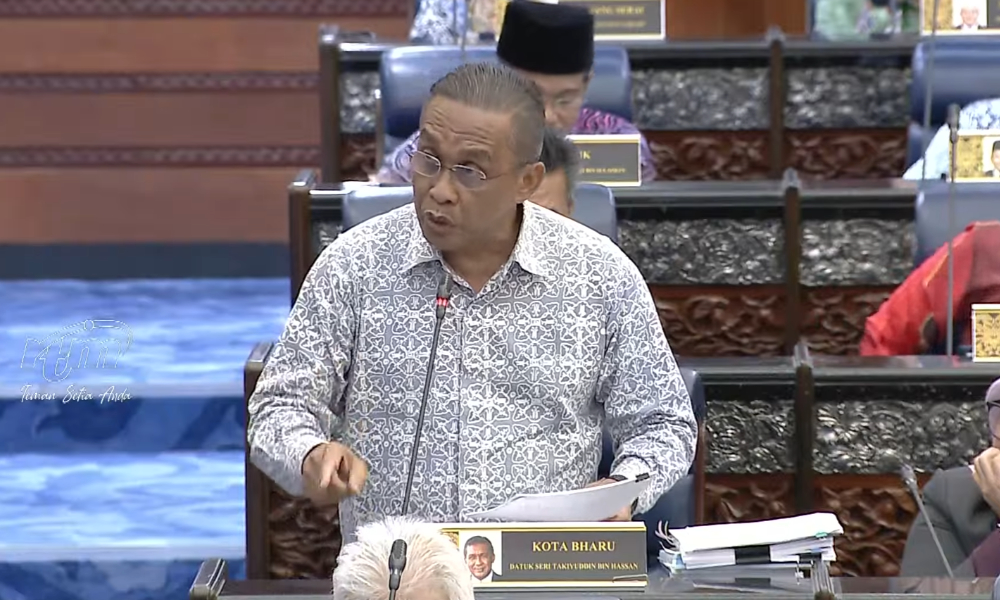
Earlier today, Kota Bharu MP Takiyuddin Hassan cited parliamentary debates from 1960 to counter current findings on Malay support for the return of the local council election.
The PAS leader cited excerpts from the Hansard for Sept 12 and 13, 1960, from debates on the tabling of the Federal Capital Act 1960 to justify his opposition to local council elections. - Mkini

No comments:
Post a Comment
Note: Only a member of this blog may post a comment.