



AS Safer Internet Day approaches this Feb 10, it is timely to reflect on how digital spaces are shaping the safety, relationships, and emotional well-being of children in Malaysia.
Incidents of school violence are increasing—more than 7,600 reports of school bullying in 2024 alone, up from 3,800 in 2022 and 6,500 in 2023.
This upward trend is alarming, but it also reveals deeper challenges in how young people are learning to treat one another, both online and offline.
School violence is not merely a disciplinary issue; it reflects how children understand respect, identity, power, and belonging. In a diverse nation like Malaysia, schools should be among the safest spaces for children to learn empathy and equality.

Yet increasingly, they are becoming mirrors of social divisions and emotional disconnection.
Much of this disconnection stems from the digital world that dominates young people’s lives. Many children now spend more time interacting online than in person, often in spaces where cruelty and outrage are normalised.
Behind screens, empathy weakens and harshness grows. The boundary between online and offline behaviour blurs, and the insensitivity cultivated online too easily spills into classrooms and corridors.
Traditional gender norms further complicate the picture. Boys are still told—directly or indirectly—that strength means dominance or emotional restraint. Girls are expected to be compliant and accommodating, even when facing disrespect.
These misguided ideals stunt emotional growth, reinforce harmful ideas about power and worth, and silence those who need to speak up most.
Real strength—for all children—lies in self-awareness, emotional intelligence, clear communication, and the courage to stand up for themselves and others. These are not gendered qualities; they are human capacities that every child deserves to develop.
Violence, whether physical, verbal, or digital, rarely emerges in isolation. It thrives in environments where superiority—by gender, race, or social status—is tolerated.
To make schools safer, we must move beyond punishment and address the cultural and emotional roots of harm.
That begins with education. Integrating Social-Emotional Learning (SEL) and restorative justice practices into school life can transform how students see themselves and others, including how they behave online.
SEL builds empathy and conflict-management skills, while restorative justice practices promote accountability and reconciliation by asking, “Who was harmed, and how can we make it right?”
Together, they replace fear with understanding and help rebuild trust after harm has occurred.
These approaches align with global efforts by organisations like World Vision, which runs digital safety programmes and youth clubs that build skills and resilience.
Locally, Children’s Clubs in rural Sabah equip children with knowledge on child rights and improves awareness on bullying, while the One Goal Malaysia Eat Right to Play Right programme teaches mutual respect and good sportsmanship in schools and communities.
Education alone, however, is not enough to keep children safe. Strong public policy and effective implementation is essential.
World Vision supports the intent behind Malaysia’s Online Safety Act and efforts to embed children’s rights into digital governance and business accountability.
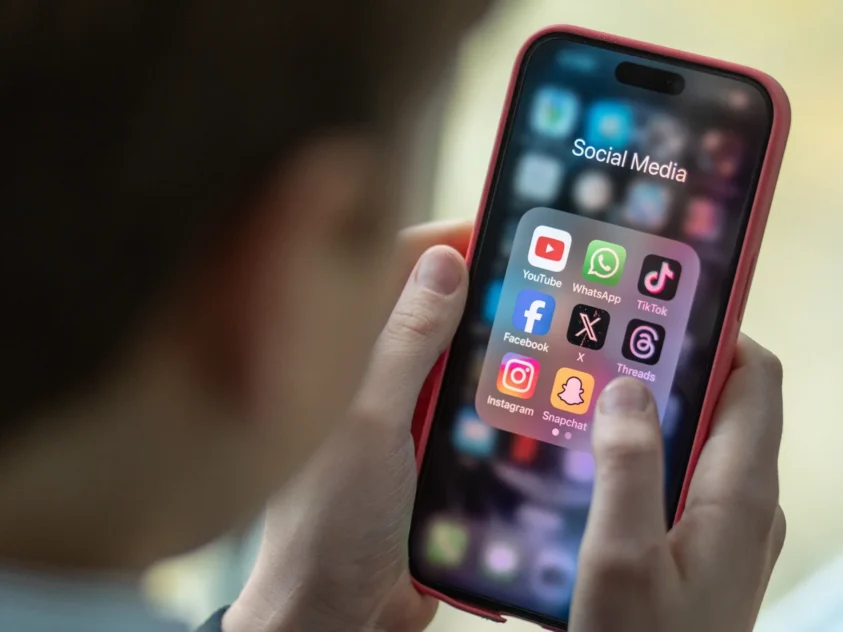
At the same time, children need opportunities to reconnect with the real world. Teamwork, outdoor learning, and community service help them practise cooperation, patience, and mutual respect—skills no app can teach. These experiences remind children that behind every profile is a person.
Creating safer schools is not only about reducing violence; it is about fundamentally reshaping the culture that allows harm to take root. Respect for diversity must be taught and practised. It is not an optional lesson. “Unity in diversity” is never automatic.
Safer Internet Day reminds us that building a better internet is a collective responsibility.
Schools, families, communities, policymakers, and digital platforms must model respectful behaviour, teach digital citizenship, and respond to harm in ways that prioritise learning and accountability over fear and shame.
When children are equipped with empathy and the confidence to speak up, they become not only safer users of the internet, but kinder classmates and more responsible citizens.
Every child deserves to learn—and to live—in safety, dignity, and hope, both online and offline.
Lydia Lee is the Senior Manager of Programmes and Emergency Relief at World Vision Malaysia (WVM).
The views expressed are solely of the author and do not necessarily reflect those of MMKtT.
- Focus Malaysia.

No comments:
Post a Comment
Note: Only a member of this blog may post a comment.