


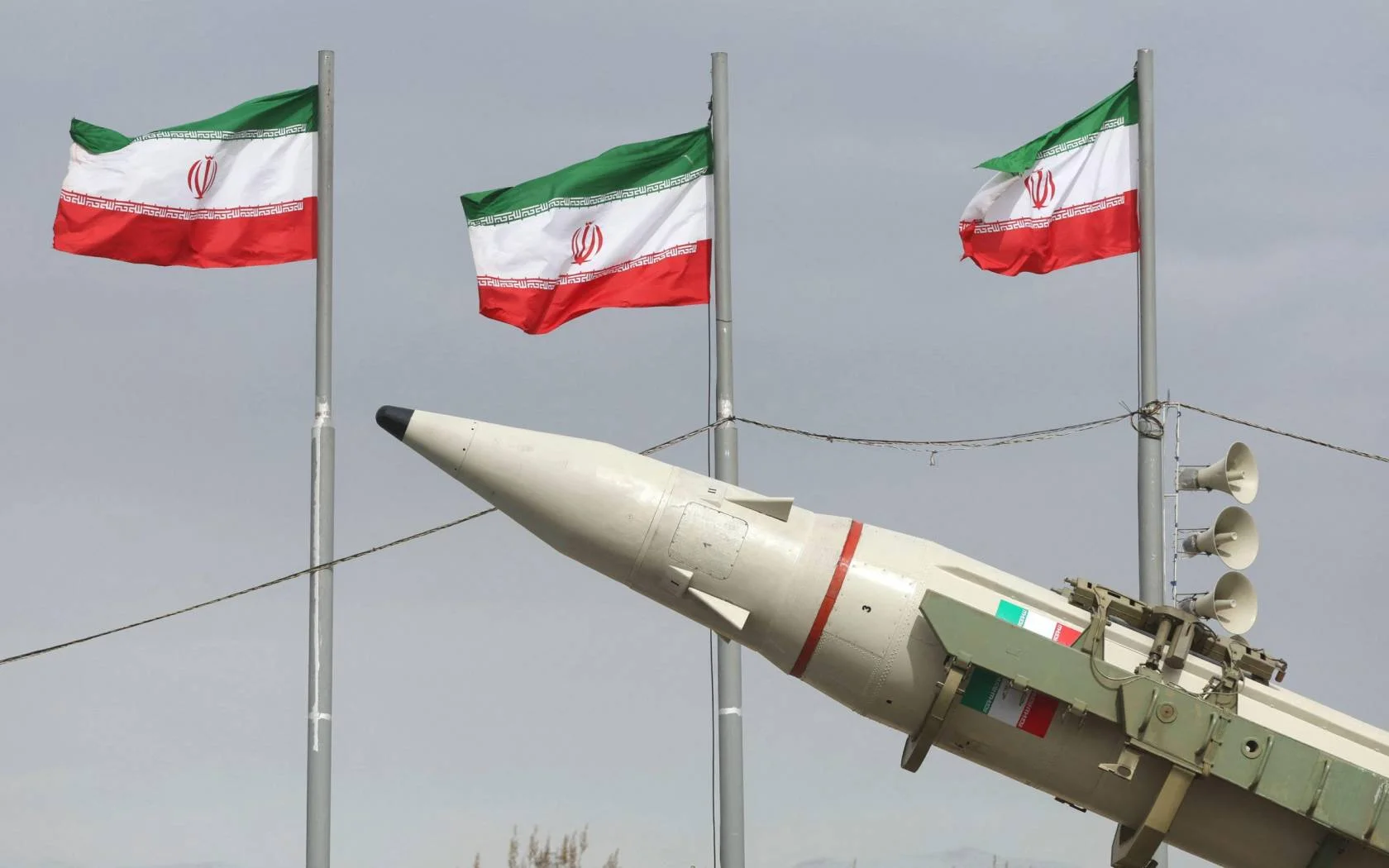
THE launch of Operation Epic Fury marks a dramatic turning point in Middle Eastern geopolitics, signalling not merely another military confrontation but the systematic unravelling of Iran’s regional architecture of influence.
For decades, Tehran constructed a forward defence doctrine built on alliances with non-state actors and sympathetic regimes, embedding itself deeply within the political and security fabric of the Levant.
Groups such as Hamas in Gaza and Hezbollah in Lebanon functioned as strategic extensions of Iranian power while the government of Syria under Bashar al-Assad provided territorial depth and logistical corridors.
This “Axis of Resistance” allowed Tehran to pressure Israel indirectly, deter US action, and project itself as a revolutionary counterweight to Western-aligned Arab states. Today, that axis appears fractured.
Israeli military operations have severely degraded Hamas and Hezbollah’s operational capacity, and the overthrow of the Syrian government has severed a critical supply line that once linked Tehran to the Mediterranean.
What remains is an Iran increasingly exposed, strategically compressed, and facing pressure both externally and internally.
The immediate catalyst for escalation has been framed by Washington as a matter of security and nuclear containment.
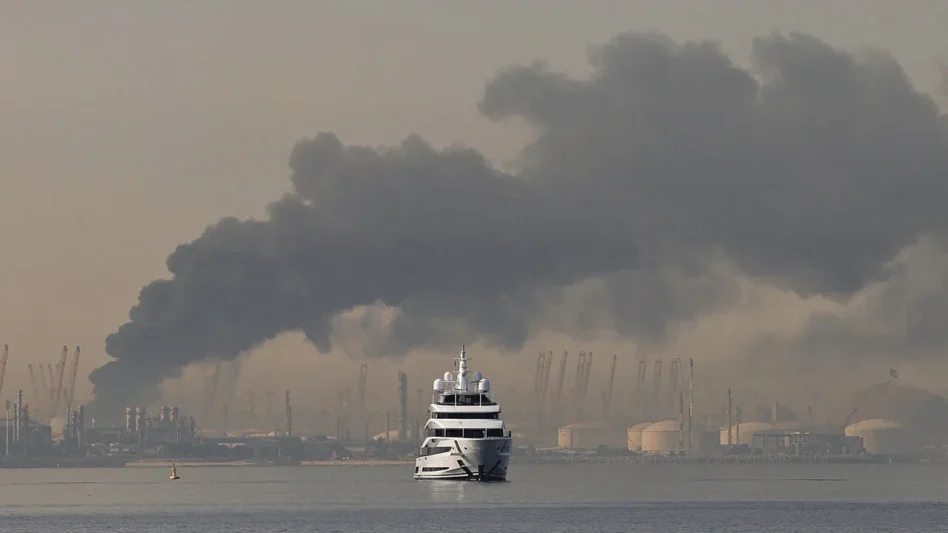
Statements from the White House emphasise eliminating the Iranian nuclear threat and dismantling its capacity to sponsor regional militancy, while updates from US Central Command confirm direct clashes that have already resulted in American casualties.
Yet to interpret the conflict solely through the lens of counter-proliferation would be reductive. Energy security and geo-strategic dominance remain embedded in the calculus. Iran sits astride the Strait of Hormuz, through which a significant portion of global oil shipments passes.
Any instability there reverberates instantly across global markets, affecting inflation, trade balances, and political stability worldwide. Oil may not be the declared cause of war, but it is inseparable from the strategic landscape in which this war unfolds.
Energy chokepoints amplify the stakes, ensuring that what begins as a regional confrontation quickly becomes a global economic concern.
At a broader level, the crisis signals the emergence of a renewed “Great Game,” not in the 19th-century colonial sense but as a multipolar contest for influence in a transitional world order.
The US and Israel perceive an opportunity to permanently curtail Iran’s disruptive capacity, while powers such as Russia and China observe carefully, balancing their strategic partnerships and economic interests.
Moscow has historically leveraged instability in the Middle East to assert diplomatic leverage, while Beijing’s energy dependence ties it materially to Gulf stability.
The dismantling of Iran’s regional network therefore resonates far beyond Tehran; it reshapes the geometry of alliances from Eastern Europe to the Indo-Pacific. This is less a war about territory than about the rules and hierarchies of an evolving global system.
The question inevitably arises: where does the United Nations (UN) stand in all this? The UN was created to prevent precisely this kind of escalation, yet its Security Council remains constrained by veto politics and great-power rivalry.
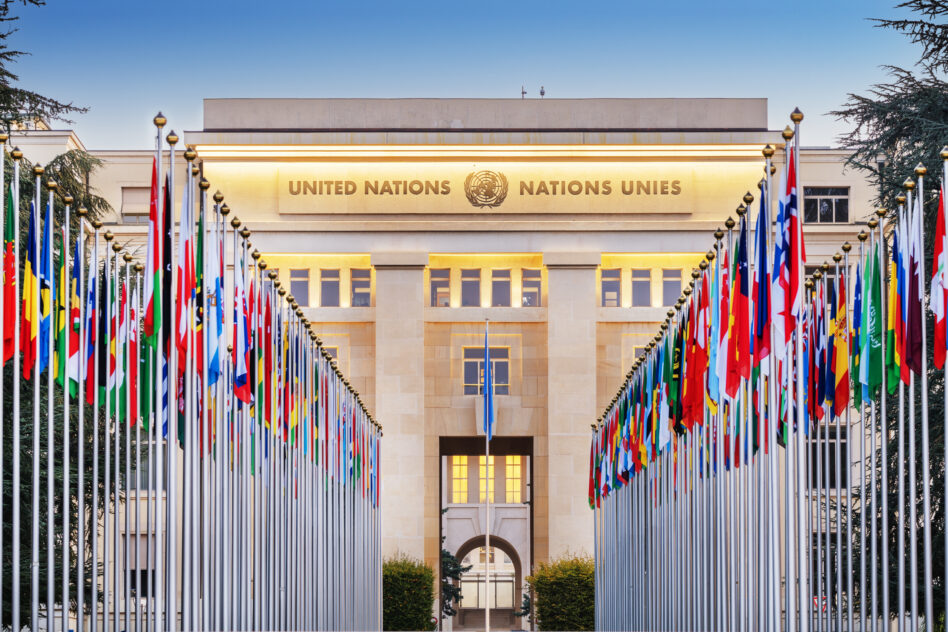
From the Russia-Ukraine war to the Gaza crisis and now Iran, paralysis has undermined its credibility.
Some argue that the institution is obsolete and should be dismantled in favour of a new global organisation free from Cold War legacies. However, replacing the UN would not eliminate geopolitical competition; it would merely relocate it.
The structural problem lies not in the existence of the institution but in the unwillingness of major powers to subordinate short-term strategic gains to collective security principles.
Reform—expanding representation, restricting veto use in cases of mass violence, and empowering preventive diplomacy—offers a more realistic path than wholesale replacement.
The UN’s humanitarian agencies, peacekeeping mechanisms, and diplomatic platforms still provide indispensable channels for dialogue and civilian protection, even when high politics stalls.
For middle powers such as Malaysia, the implications are profound. Kuala Lumpur must navigate carefully between reaffirming its commitment to multilateralism and protecting its economic interests in an increasingly polarised world.
Through frameworks like ASEAN and the Organisation of Islamic Cooperation, Malaysia can advocate de-escalation and humanitarian access while avoiding entanglement in great-power rivalry.
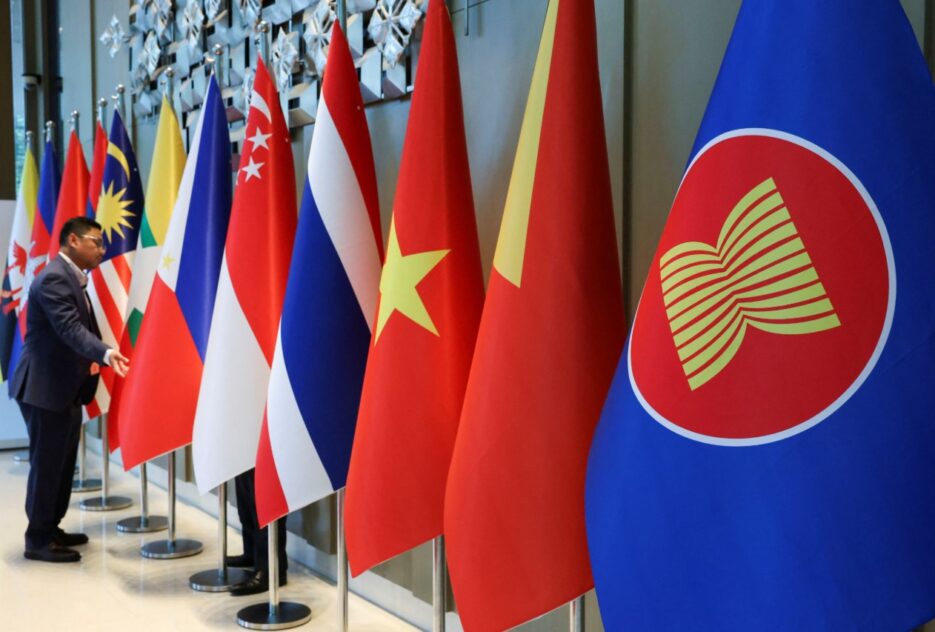
Diversifying energy sources, strengthening trade resilience, and maintaining balanced relations with both Western and Eastern blocs will be crucial. Rather than choosing sides in a binary contest, Malaysia’s strategic advantage lies in flexibility, diplomacy, and principled neutrality.
Ultimately, Iran’s predicament reflects the vulnerabilities of a strategy overly dependent on proxy warfare and ideological alignment. When those proxies weaken and allied regimes fall, influence contracts rapidly.
Operation Epic Fury may represent the culmination of years of incremental containment rather than the sudden outbreak of a new war.
Whether this marks the definitive end of Iran’s regional project or merely its transformation remains uncertain. What is clear, however, is that the Middle East is once again the arena in which broader global rivalries intersect.
Oil, security, ideology, and power politics converge in a volatile mix that challenges existing institutions and tests the adaptability of states large and small.
The dismantling of one axis of influence may not usher in stability but instead open a new chapter in an intensifying global contest—one that demands diplomatic imagination as urgently as military strength.
R. Paneir Selvam is Principal Consultant at Arunachala Research & Consultancy Sdn Bhd (ARRESCON), a think tank specialising in strategic and geopolitical analysis.
The views expressed are solely of the author and do not necessarily reflect those of MMKtT.
- Focus Malaysia.

No comments:
Post a Comment
Note: Only a member of this blog may post a comment.