The scandals plaguing the MACC remain unresolved, with troubling developments emerging.
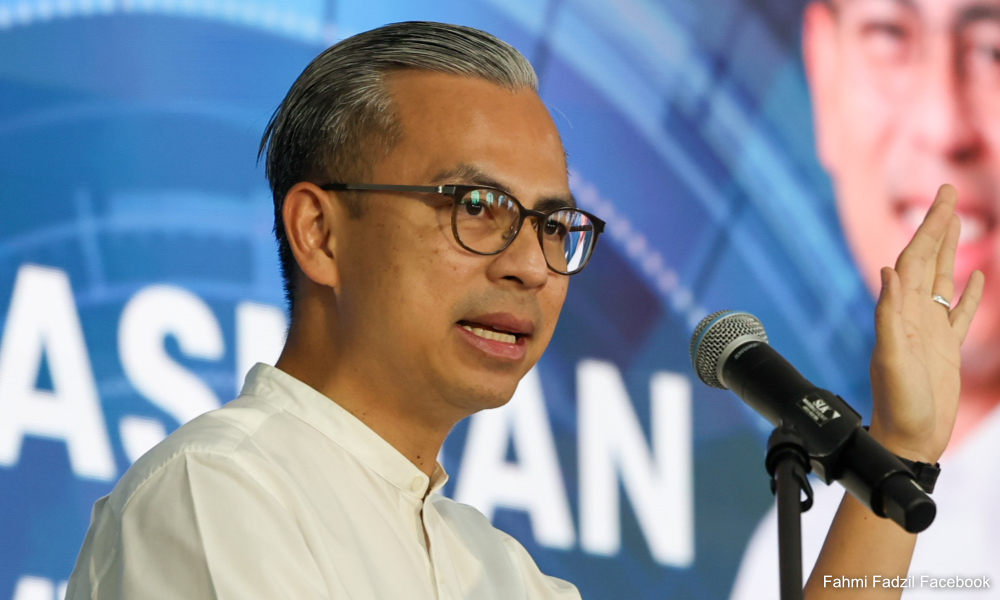
On March 11, government spokesperson Fahmi Fadzil stated that the cabinet had received and discussed the report by a government committee led by Attorney-General Dusuki Mokhtar on MACC chief commissioner Azam Baki in relation to his shareholdings scandal, but refused to disclose any details about the investigations.
In addition, Fahmi stated that the police, Inland Revenue Board, the MACC, and the Securities Commission would continue their probes into the “corporate manipulation” claims originally unveiled in a Bloomberg report.
The Center to Combat Corruption and Cronyism (C4 Center) strongly condemns the government’s silence regarding the results of the investigations and calls for decisive action to be taken to resolve the allegations against the MACC.
From the get-go, the investigation committee established to investigate Azam (above) was criticised for being insufficiently independent.
Dusuki, who leads the committee, is himself serving directly under and an appointee of the prime minister.
This is a feature shared with the MACC, an enforcement agency placed under the purview of the Prime Minister’s Office and whose chief commissioner is also appointed by the PM.
In essence, the executive is investigating itself, with both bodies reporting to the same individual, which calls into question the independence and integrity of these investigations.
With the government's decision not to reveal the findings of the investigations, it adds another layer of obfuscation to an already dire instance of misgovernance.
Lack of transparency
This lack of transparency is harmful on multiple levels.
First, it demonstrates that the government does not believe that it owes citizens accountability for severe institutional and governance lapses.
Fahmi Fadzil
Secondly, the obscurity does not allow the public to assess if the investigations were conducted thoroughly, without prejudice, and in adherence to established procedures made by the MACC itself.
As a consequence, it also obscures assessment as to whether the disciplinary or enforcement actions undertaken are even commensurate with the severity of the offence committed.
It may very well be that the allegations are even more severe than previously thought, but Azam may only escape with a slap on the wrist.
Thus, the findings of the investigation must not only be made public but also cover key issues, as follows:
What is the exact number of shares that Azam purchased or owned, and what is the timeline of events involved?
Which companies did Azam purchase these shares from, and who are the individuals connected to these companies?
Were Azam’s shareholdings and assets declared as required under public service regulations, and if so, were these purchases in violation of such regulations?
Was the source of Azam’s wealth investigated?
It is imperative that the government also answer questions surrounding the government’s decision not to undertake other avenues of investigation and accountability.
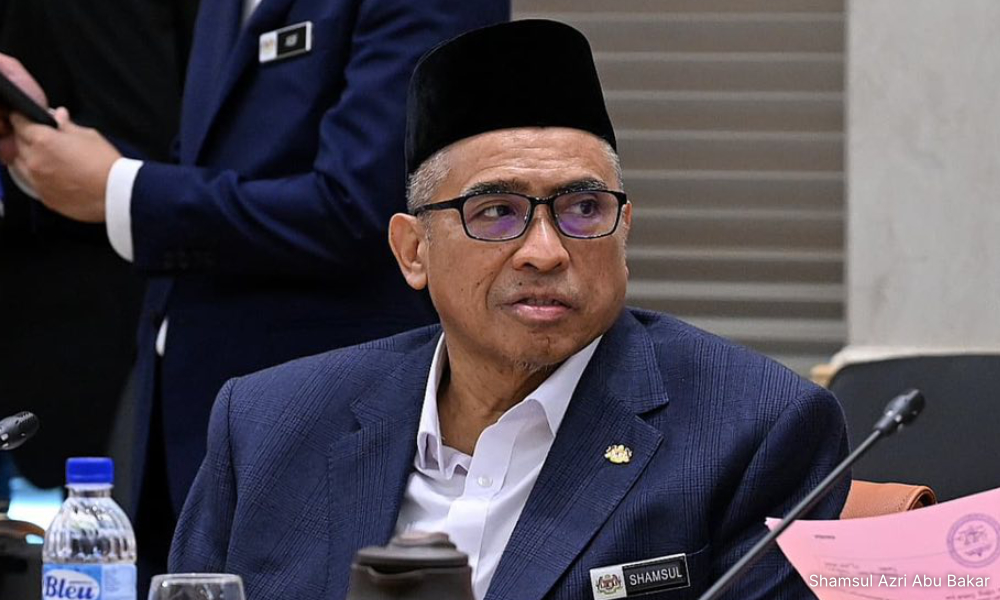
The Chief Secretary to the Government Shamsul Azri Abu Bakar stated that the report by the committee would be forwarded to the Public Services Department, which will be followed by a convening of the disciplinary board.
Shamsul Azri Abu Bakar
While this may very well be a mere formality, the possibility that this is the extent to which action may be taken against Azam is deeply troubling.
While disciplinary procedures may be appropriate for administrative breaches, allegations involving substantial financial interests held by the head of the nation’s anti-corruption agency demand far greater scrutiny.
In ordinary corruption investigations involving unexplained wealth, the MACC routinely takes measures such as freezing accounts, requiring detailed asset declarations, and pursuing criminal prosecution if discrepancies are discovered.
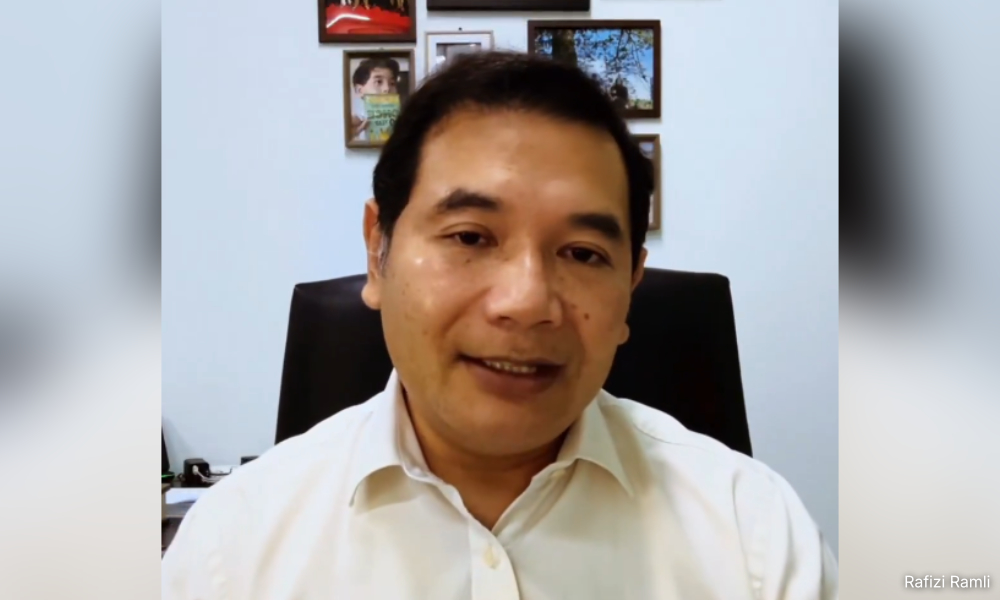
Pandan MP Rafizi Ramli also released a statement, alleging that Azam also owns RM14 million in shares across nine companies, and that these share purchases were not sanctioned by the relevant authorities.
Rafizi Ramli
While the veracity of these claims is still in dispute, they must be taken seriously. If Rafizi’s claim that these facts are from government sources in Putrajaya is to be believed, it demands further scrutiny as to whether the government is intentionally withholding this information from the public.
‘Corporate mafia’ controversy
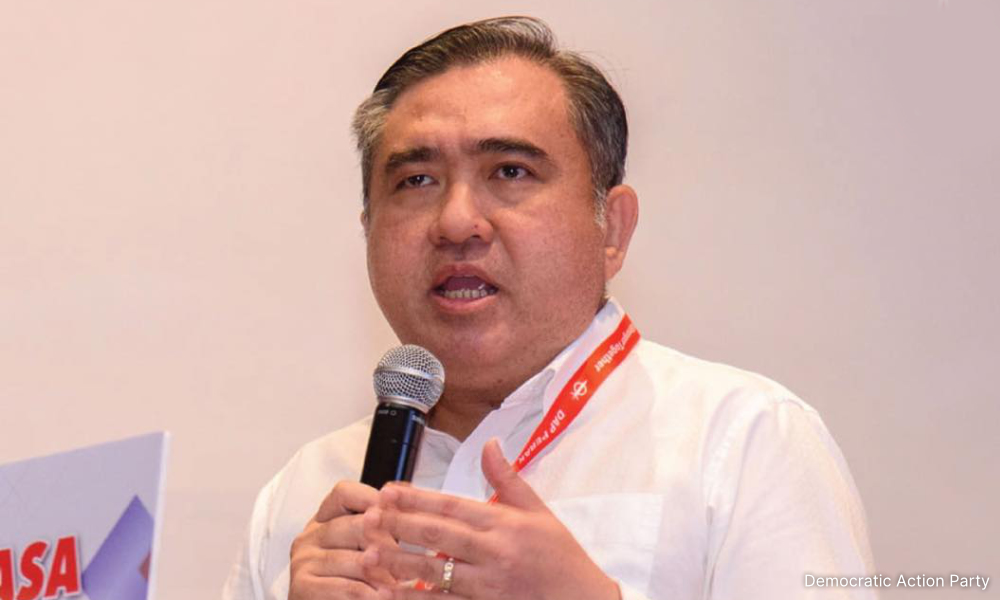
The government has steadfastly refused to launch a royal commission of inquiry (RCI) into the allegations of a “corporate mafia”, as corroborated by DAP secretary-general Anthony Loke, who stated that the party tried but failed to convince the cabinet to do so.
He also added that the party was aware of such allegations from as early as 2020 to 2022. Even with the mounting severity of these issues coming to light, the government has instead decided that existing enforcement agencies - including the MACC itself - should investigate these allegations.
Anthony Loke
It is truly mind-boggling that the government is effectively instructing the MACC to investigate itself, an instruction that is clearly in contravention of established good governance and accountability principles.
The government’s rejection of an RCI is an explicit rejection of independent oversight. The MACC itself has outrightly rejected these claims as false and intended to smear the MACC’s reputation, with Azam himself stating that he would bring a lawsuit against Bloomberg for defamation.
These events have dealt blow after blow to the people’s confidence in their public institutions.
When the nation’s prime body tasked with resolving and defeating corrupt practices itself is quite possibly complicit in engaging in such practices, a crisis of faith is bound to emerge.
Recovering the public’s trust would require a massive upheaval and reform of Malaysia’s institutions, demanding political will from all parties and politicians.
Hence, C4 Center reiterates our demands, as follows:
The full investigative report by the government committee is made public;
The government establishes an RCI to investigate the extent of the “corporate mafia” allegations, their causes and effects, and these findings are made public;
The government lays out a plan of action as to how it plans to reform the MACC, removing the powers of appointment away from the executive, and by involving Parliament, ensuring that the appointment of key individuals is not concentrated in the hands of a single individual; and
The individuals responsible for the creation and proliferation of all these scandals are held to account.
- Mkini
C4 CENTER is an anti-corruption watchdog and non-profit entity with a mission to foster open government policies, primarily through public sector reform and enhanced citizenship governance.
The views expressed here are those of the author/contributor and do not necessarily represent the views of MMKtT.
No comments:
Post a Comment
Note: Only a member of this blog may post a comment.



No comments:
Post a Comment
Note: Only a member of this blog may post a comment.