

IN recent years, the National Tourism Policy (NTP) 2020‒2030 and National Automotive Policy (NAP) 2020‒2030 have contributed, to varying degrees, to the development of the tour bus sector and the broader tourism industry.
These decade-long policies have already crossed the halfway mark. In today’s fast-changing environment, such lengthy policy frameworks may no longer be practical. Future iterations of the NTP and NAP should perhaps cover shorter periods, such as five years from 2031 to 2035.
More urgently, however, the current NTP and NAP should be revised and refreshed for the 2026‒2030 period to better address present realities and emerging developments.
This will require a whole-of-government approach to tackle increasingly complex challenges arising from rapid geopolitical, technological and economic shifts.
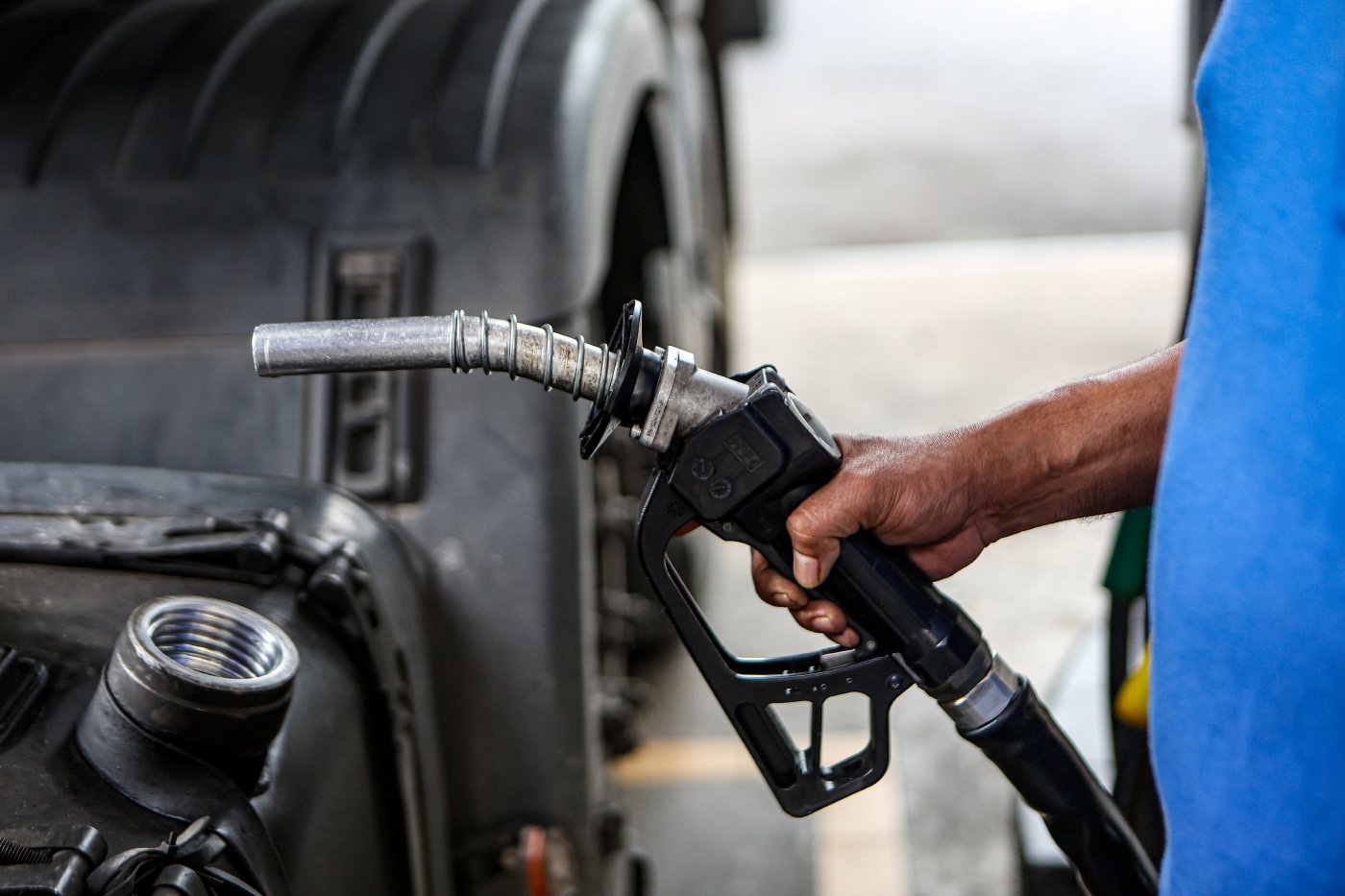
For decades, diesel engines have served heavy vehicles well, including tour buses. However, recent geopolitical tensions in the Middle East have contributed to volatility in global fuel prices, placing additional pressure on diesel-dependent industries.
Before this, the transition towards electric buses had been progressing at a gradual pace, led largely by Prasarana, which is scheduled to receive 250 e-buses between May 2026 and May 2027. The company is targeting a fully electric fleet by 2037.
These 250 e-buses will not be imported as completely built-up (CBU) units but will instead be locally assembled. Under this arrangement, the chassis will be brought in as completely knocked-down (CKD) kits, while the bus bodies will be built by local coachbuilders.
According to Transport Minister Anthony Loke, a key requirement of the Prasarana tender was that the electric buses be locally assembled to encourage technology transfer and support the domestic industry.
While this approach made sense when the tender was issued in 2024, circumstances have since changed significantly.
With diesel prices remaining elevated, many bus operators are eager to switch to e-buses and do not wish to wait another five or 10 years for broader adoption.
Some operators may be forced to cease operations, while others could have little choice but to raise fares significantly. If that happens, Malaysia risks becoming less competitive as a tourism destination.
Clearly, more effective government intervention is needed. Here, the Investment, Trade and Industry Ministry (MITI) plays a pivotal role through its control of Approved Permits (APs).
If regulations are managed more flexibly, more e-bus manufacturers could be encouraged to bring in CKD kits or even CBU units in the short term.
Greater competition could narrow the price gap between diesel and electric buses. Currently, e-buses can cost nearly double the price of diesel buses.
If the gap can be reduced substantially, more operators are likely to make the switch, especially given the lower running and maintenance costs of e-buses.
Beyond cost considerations, e-buses also offer environmental and operational advantages. Unlike diesel-powered buses, they do not emit exhaust fumes that can affect nearby buildings and public spaces, particularly hotel entrances and lobbies. They are also significantly quieter, helping to reduce noise pollution in urban areas.
The government cannot afford to continue with a business-as-usual approach. Policies formulated years ago should not be treated as fixed or unchangeable, but as frameworks that must evolve alongside rapidly changing realities.
Revising and adapting them accordingly will be essential to ensuring the long-term sustainability and competitiveness of Malaysia’s transport and tourism sectors.
YS Chan is a tourism, transport and training consultant.
The views expressed are solely of the author and do not necessarily reflect those of MMKtT.
- Focus Malaysia.

No comments:
Post a Comment
Note: Only a member of this blog may post a comment.