

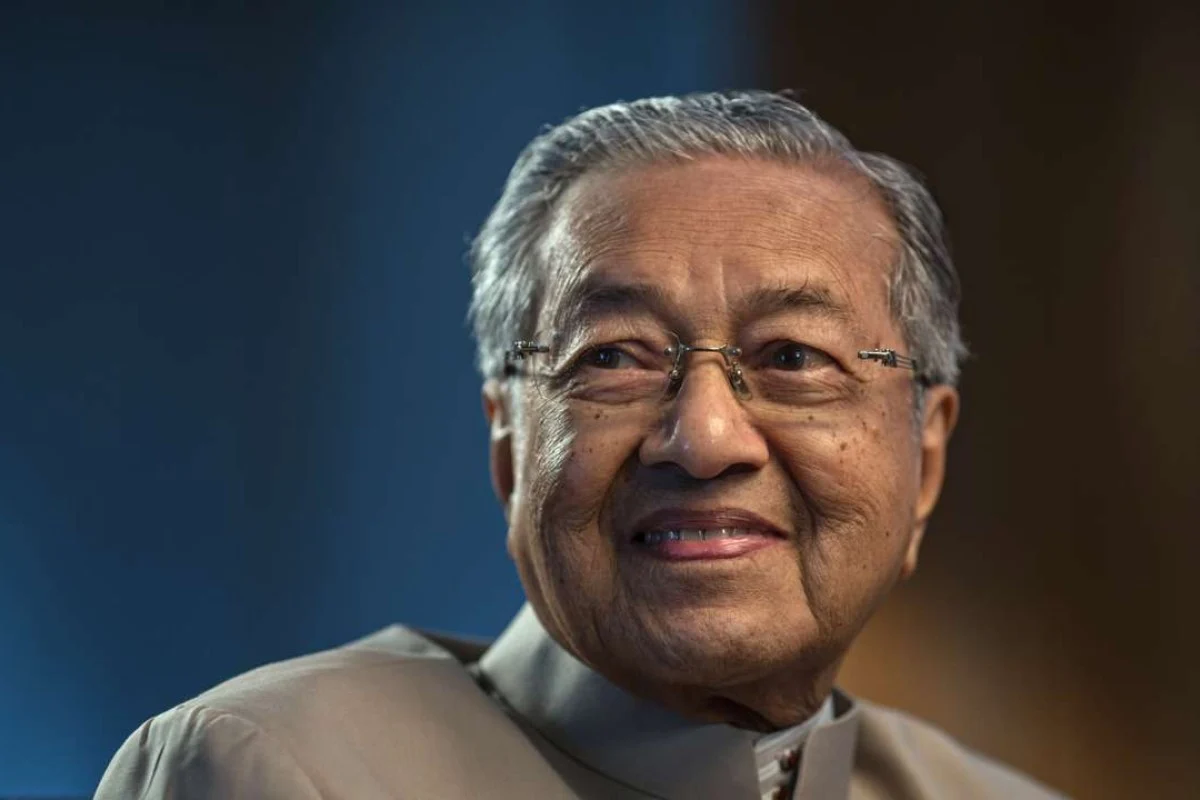
FORMER two-time prime minister Tun Dr Mahathir Mohamad should not regret his failure to unite the Malays in the country.
He has expressed concern that continued disunity among Malays could result in the community losing its political grip on the country.
However well-intentioned Mahathir may be in his call for Malay unity, he appears to overlook the fact that the political circumstances that once brought Malays together may no longer exist.
The forces that once united Malays under the umbrella of UMNO included opposition to the Malayan Union plan, the need to prepare for independence, and the perception of threats from non-Malay communities.
Following independence, UMNO emerged as the dominant representative of the Malays, governing the country through a consociational arrangement with MCA and MIC, the junior partners in the Barisan Nasional (BN) coalition.
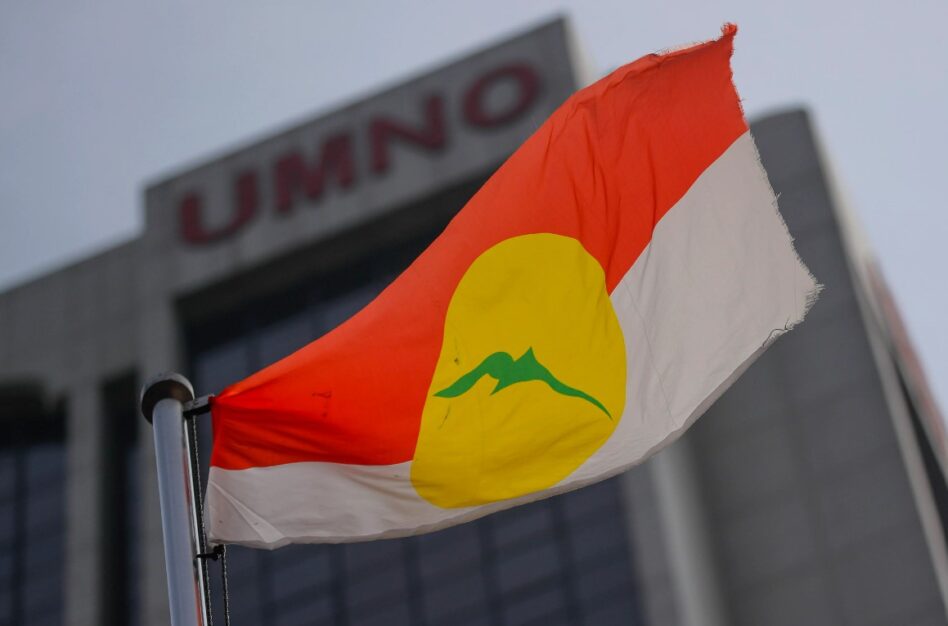
UMNO’s consolidation of power under the broader BN coalition, particularly after the May 13 incident, reinforced the party’s dominant political role.
However, there was also a downside to UMNO’s long political dominance.
Unchecked power led to corruption, money laundering, and other abuses involving some of its leaders.
Over time, critics increasingly viewed UMNO membership not merely as a platform to safeguard Malay interests, but also as a pathway to political influence and economic advancement.
The excesses associated with UMNO eventually drove many Malays to support PAS, which positioned itself politically under the banner of Islam.
Mahathir may lament the lack of Malay unity today, but he should also acknowledge that the internal decline within UMNO began during his own leadership era.
UMNO may have remained strong during the 1980s, 1990s, and beyond under Mahathir, but internal rivalries over positions and access to economic opportunities gradually weakened the party.
These divisions eventually led to the formation of other Malay-based parties such as Bersatu, Pejuang, and others.
Ironically, Mahathir himself played a key role in the formation of both Bersatu and Pejuang.
The emergence of multiple Malay political parties does not necessarily reflect a collapse of Malay unity. Rather, it may indicate that Malays have become more educated and politically diverse, alongside the rise of professional and entrepreneurial classes and a growing political elite critical of both ruling and opposition leadership.
It is understandable that Mahathir longs for the days when UMNO stood as the single dominant Malay party.
Although UMNO still retains some appeal among Malays, its political dominance is no longer what it once was.
Whether the party can regain its former strength remains uncertain.
I do not agree with Mahathir’s suggestion that the inability of Malays to unite under one political umbrella spells disaster for the community.
In an era shaped by modernity, democracy, and pluralism, Malays have both the right and the freedom to determine their own political representation.
Gone are the days when Malays unquestioningly followed the directives of political leaders.
Even if Malays are politically divided, they continue to hold significant positions within government institutions, the civil service, the armed forces, and other key sectors.
To suggest that Malays are losing out is to overlook the substantial progress the community has made over the decades in areas such as the economy, finance, investment, and education.
Former DAP stalwart and Penang deputy chief minister II Prof Ramasamy Palanisamy is chairman of the United Rights of Malaysian Party (Urimai) interim council.
The views expressed are solely of the author and do not necessarily reflect those of MMKtT.
- Focus Malaysia.

No comments:
Post a Comment
Note: Only a member of this blog may post a comment.