


Amid mounting rumours over changing political allegiances ahead of impending elections, two Bersatu leaders have quashed talk of the party’s return to Pakatan Harapan, in the wake of its divorce with Perikatan Nasional ally PAS.
As PN is expected to meet next week to discuss Bersatu’s future in the coalition, the leaders insisted that Bersatu remains committed to being a centre-right Malay party within PN.
They are also aiming to contest all upcoming polls using the coalition’s deep blue banner.
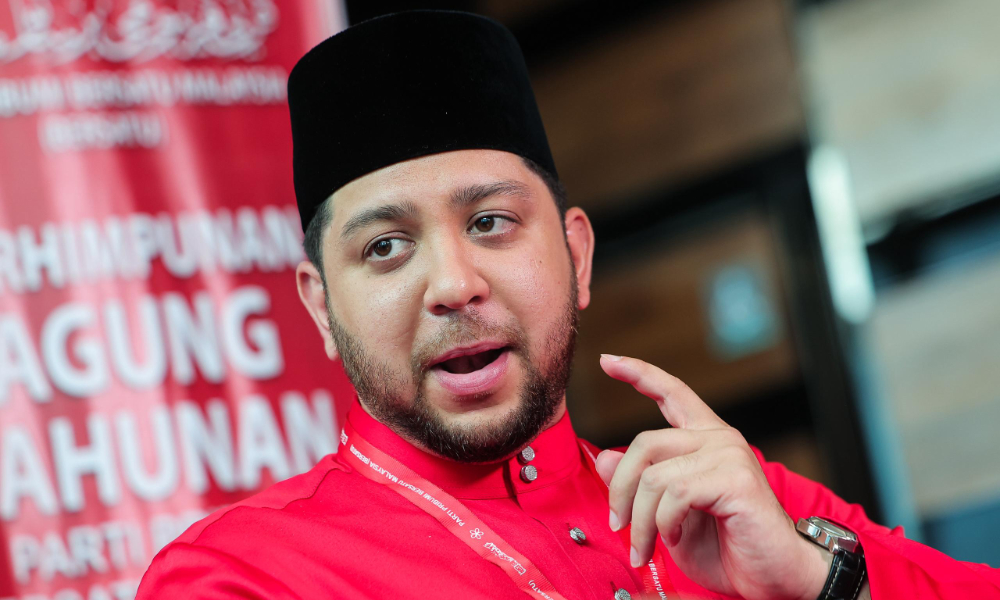
Bersatu Youth information chief Harris Idaham Rashid said there is no truth to the rumours of the party’s tie-up with Harapan as part of tactical negotiations to contest at least two upcoming state elections.
“That (return to Harapan) is not on our cards right now. Obviously, we really want to maintain our positioning in Malaysian politics right now, which is a centre-right Malay-bumiputera party representing PN,” he told Malaysiakini yesterday.
“That (positioning) is what we want. That is what we are hoping to keep. That is what we have been known for from 2020 until now,” said the Bersatu’s Balik Pulau chief.
Within Malaysia’s political landscape, ideological labels are often less distinct than in Western democracies, with parties frequently organised around ethnicity, religion, and regional interests.
However, Bersatu’s emphasis on Malay-Muslim interests, economic pragmatism, and conservative social positions fits the definition of a centre-right party.
Bersatu was formed in 2016 as an Umno splinter and, together with DAP, PKR, and Amanah, formed Harapan.
The four went on to win the most seats in the 2018 general election, ending BN’s six-decade grip on federal power.
But two years later, Bersatu president Muhyiddin Yassin became prime minister after the party ditched Harapan, leading to the collapse of the federal government in an event called the Sheraton Move, where it teamed up with Umno and PAS.
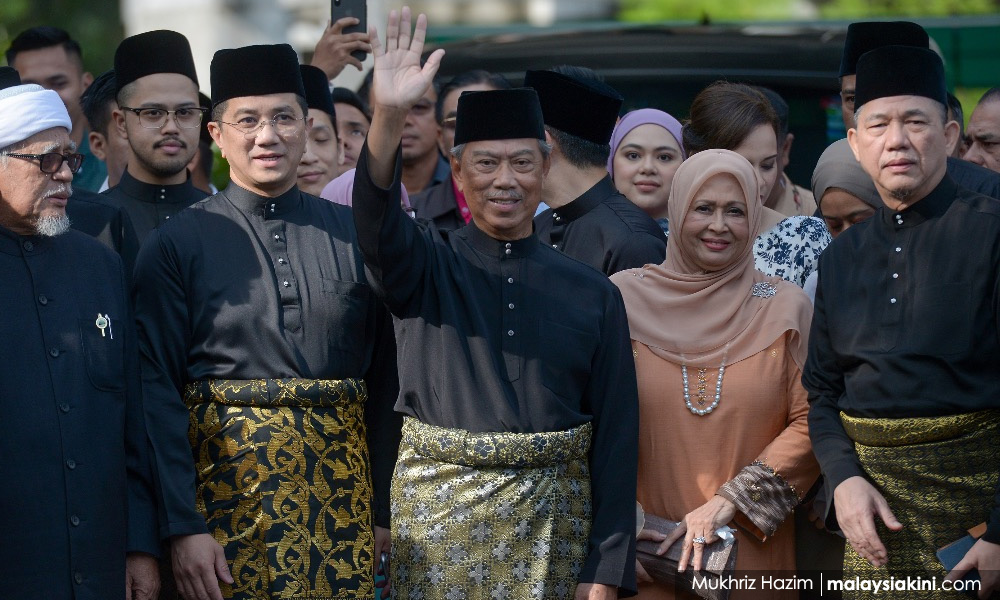
Muhyiddin subsequently lost his majority in Parliament and resigned as prime minister in August 2021, succeeded by Umno vice-president Ismail Sabri Yaakob, who served as the ninth prime minister.
PN debuted in the 15th general election in 2022 against BN and Harapan, securing 74 parliamentary seats through PAS and Bersatu, emerging as the second-largest bloc in the Dewan Rakyat.
PAS emerged as the single largest party in Parliament with 43 seats, and Bersatu with 31 seats, reportedly receiving 4.7 million votes, equivalent to 30.1 percent of the national popular vote.
Centre-right but inclusive
As a PN component party, Bersatu has often framed its political agenda around good governance, economic growth, institutional stability, and the protection of Malay and bumiputera interests, while advocating policies it describes as moderate and pragmatic.
Bersatu information chief Tun Faisal Ismail Aziz echoed Harris’ views on the party’s ideological stand.
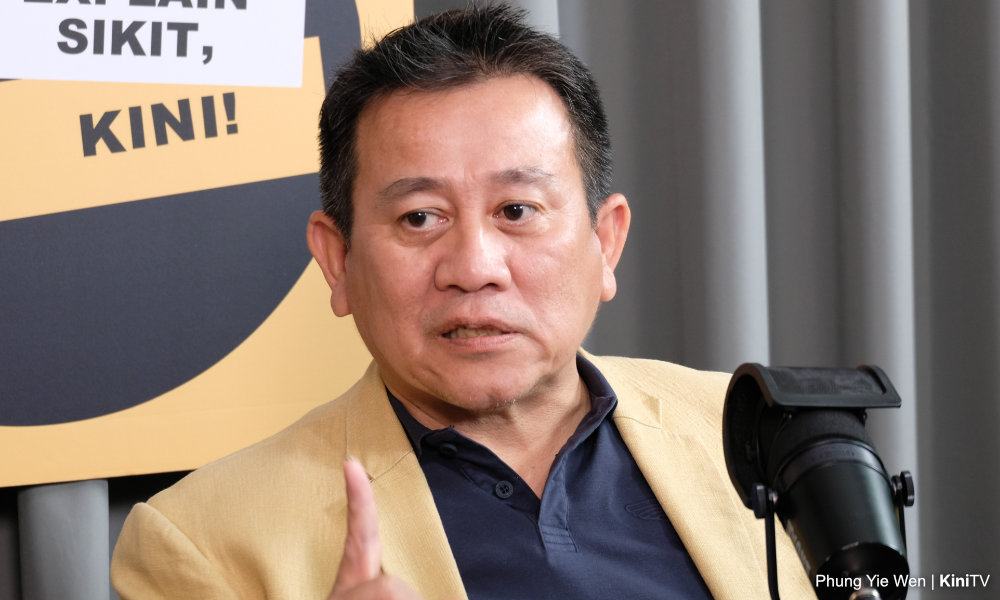
“Bersatu can be categorised as a Malay-bumiputera centre-right party, although the description of it as a pragmatic and inclusive Malay-nationalist party may more accurately reflect its identity within the Malaysian political context.
“Bersatu remains committed to an inclusive, moderate, democratic, principled, and people-centric approach.
“That is the face of PN. PN’s face is a moderate one; its colour is blue, not green,” the Bersatu supreme council member said in a swipe at PAS.
‘We founded PN, funded and registered it’
Tun Faisal similarly stressed that it is inconceivable to speculate on Bersatu’s departure from PN, given its position as the coalition’s founder.
“It was Bersatu that conceptualised the coalition and drafted PN’s constitution from scratch. It was Bersatu, not PAS, that handled all matters related to its registration.
“In fact, Bersatu was also the party that provided the resources to manage PN from its inception until GE15,” he told Malaysiakini.

In reiterating Bersatu’s commitment to contest the upcoming elections under the PN logo, Tun Faisal questioned PAS’ commitment to the pact, with reported intentions to pursue an informal cooperation with Umno in Johor.
“Bersatu remains committed to contesting elections under the PN logo.
“PAS, on the other hand, has at times wanted to return to Muafakat Nasional, at other times to remain in PN, and at times to use its own logo.
“This shows that PAS is not fully committed to PN,” he claimed.
Collective decision
Analysts weighing in on the recent developments previously predicted that PAS’ decision to abandon its pact with Bersatu would hit the latter hard, especially in the upcoming Johor and Negeri Sembilan state elections.
On June 10, Johor PAS chief Mahfodz Mohamed said the state chapter might pursue an understanding on seat allocations with Umno and several other parties to avoid multi-cornered contests in the upcoming state election.
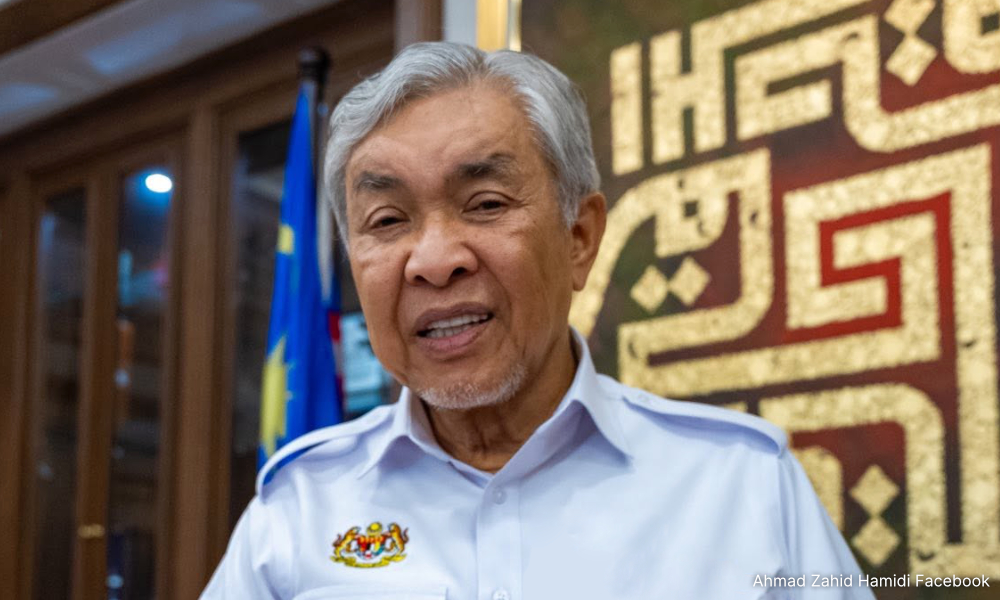
Umno president Ahmad Zahid Hamidi, however, has reaffirmed BN’s stance of contesting both the Johor and Negeri Sembilan state elections as a single coalition against its federal-level partner, Harapan, and others.
Meanwhile, Harris argued that while PAS has broken ranks with Bersatu, both parties remain PN components pending any final decision by all four members, including Gerakan and MIPP.
“So that (decision) would need another day and time,” he added.
Looking ahead, Harris noted that while Bersatu reserves the right to contest as a single party, doing so without a final decision on its status within PN runs counter to the spirit of a coalition.
“If you are still in a coalition and your coalition participates in the state election, it is not right for your party to run its own logo in the same election.
“That is the spirit of being in a coalition. More than that, it is the heart of the spirit,” Harris stressed.
To contest under the PN banner, candidates must receive a formal candidacy (watikah pencalonan) from its chair, PAS vice-president Ahmad Samsuri Mokhtar.
Muhyiddin, meanwhile, only has the power to issue a formal candidacy to Bersatu members contesting under the party’s own logo. - Mkini

No comments:
Post a Comment
Note: Only a member of this blog may post a comment.