


TWO groups of the Brickfields community have raised various concerns over the proposed multi-billion ringgit Laluan Istana-Kiara Expressway (LIKE) project, which they believe will affect their daily life.
Leaders of religious institutions and the association representing the visually impaired warned that LIKE risked paralysing local inner roads and endangering pedestrians.
They sought clarity on the highway’s alignment and its broader community footprint.
They said this in a meeting with consultant Perunding Tamadun Teras Sdn Bhd which was conducting the social impact assessment for the project.
Chairing and coordinating the meeting was Khairul Ariffin Munir.
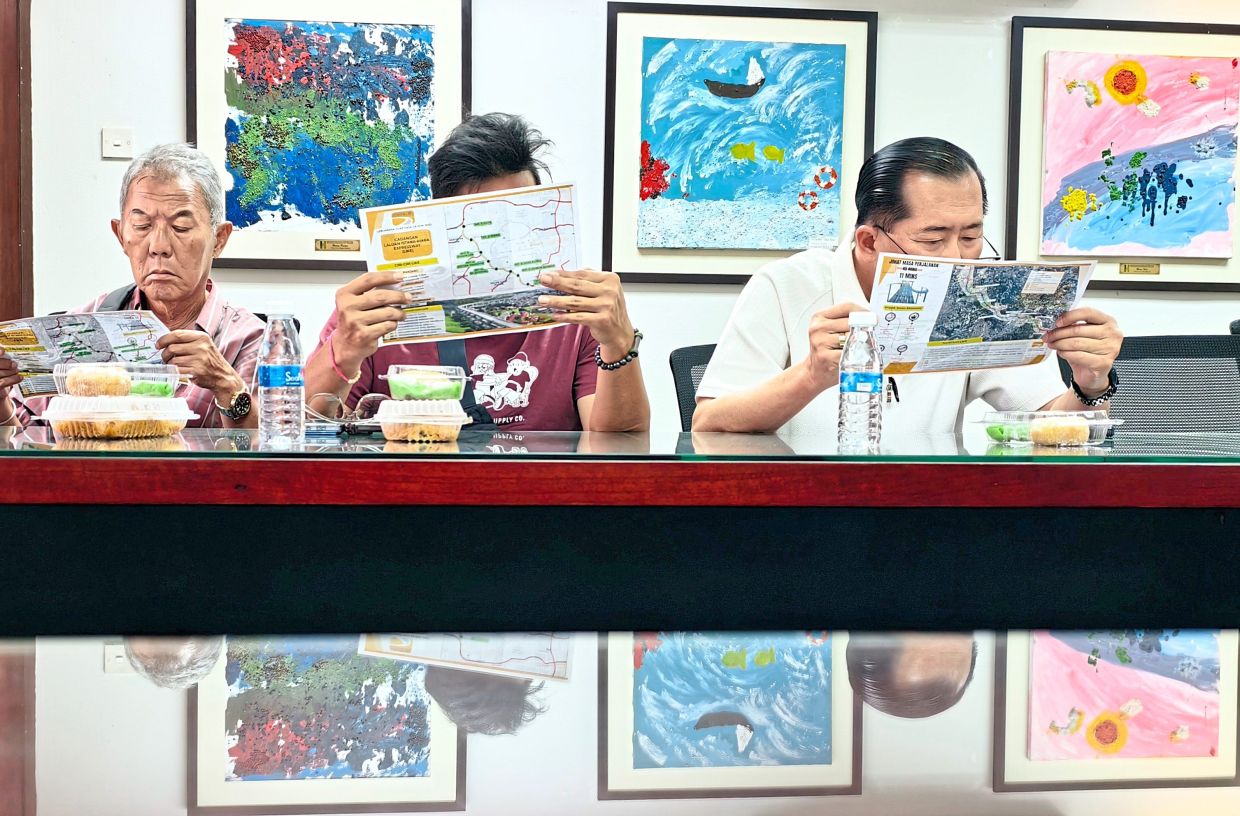
Sri Sakthi Karpaga Vinayagar Temple chairman SKK Naidu sought details on the proposed entry and exit points at the Syed Putra and KL Sentral interchanges, saying more information was needed on how the project could affect traffic in the area.
“Where will the entry and exit points be? Have you taken into consideration the traffic generated by Kuen Cheng School?” he asked.
Naidu was referring to SM Kuen Cheng along the busy Jalan Syed Putra.
The proposed expressway is a planned east-west highway aimed to improve connectivity across Kuala Lumpur and provide an alternative route for motorists.
Formerly known as the Istana Link, LIKE was approved by the government in May 2025 as the first phase of a broader privatisation proposal that included the proposed Kampung Baru Link Expressway (KBL).
It is a 7.7km elevated highway from Jalan Istana to Jalan Sungai Besi.
The three-lane dual carriageway in each direction will have 17.5km of ramps and eight interchange connections called Duta, Kiara, Semantan, Sultan Iskandar, KL Sentral, Syed Putra, Dewan Bahasa and Sungai Besi, linking several major highways in the Klang Valley. (see map)
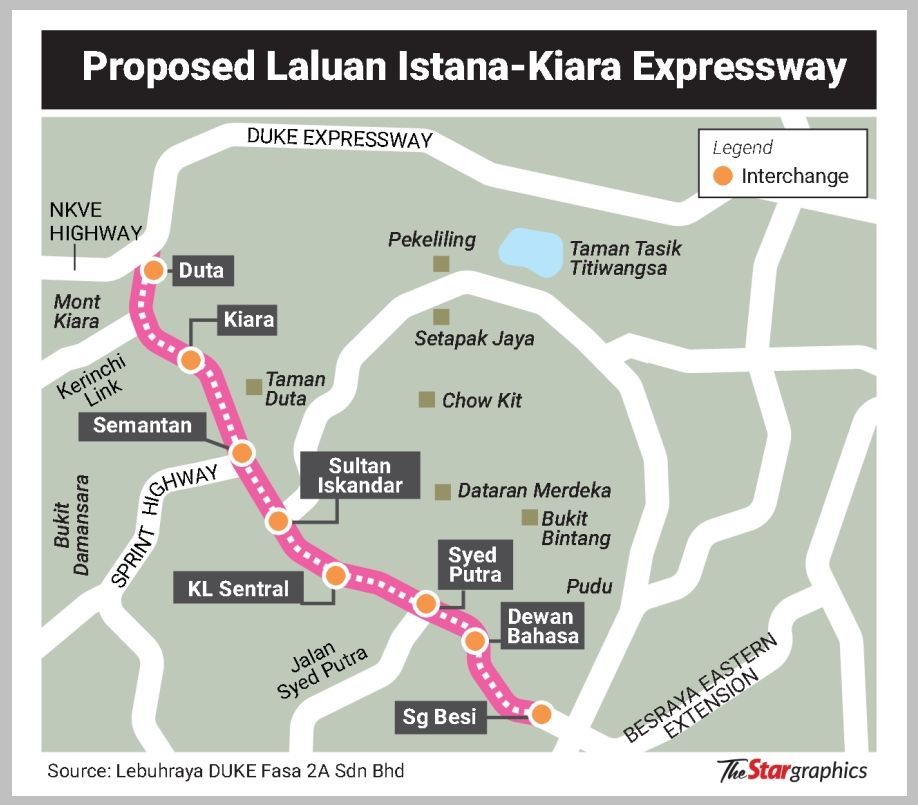
Operated under a closed toll system, its construction is expected to take four years to complete.
The project, estimated to cost RM2.32bil, is by Lebuhraya DUKE Fasa 2A Sdn Bhd.
The company secured a 54-year concession to construct, operate and maintain the highway, including the collection of toll.
Stakeholders also called for greater transparency on traffic studies and proposed mitigation measures, particularly around schools, places of worship and commercial areas that attract large crowds daily.
Sri Kandaswamy Temple representative S. Umapathy sought details of the Traffic Impact Assessment and Social Impact Assessment carried out for the project.
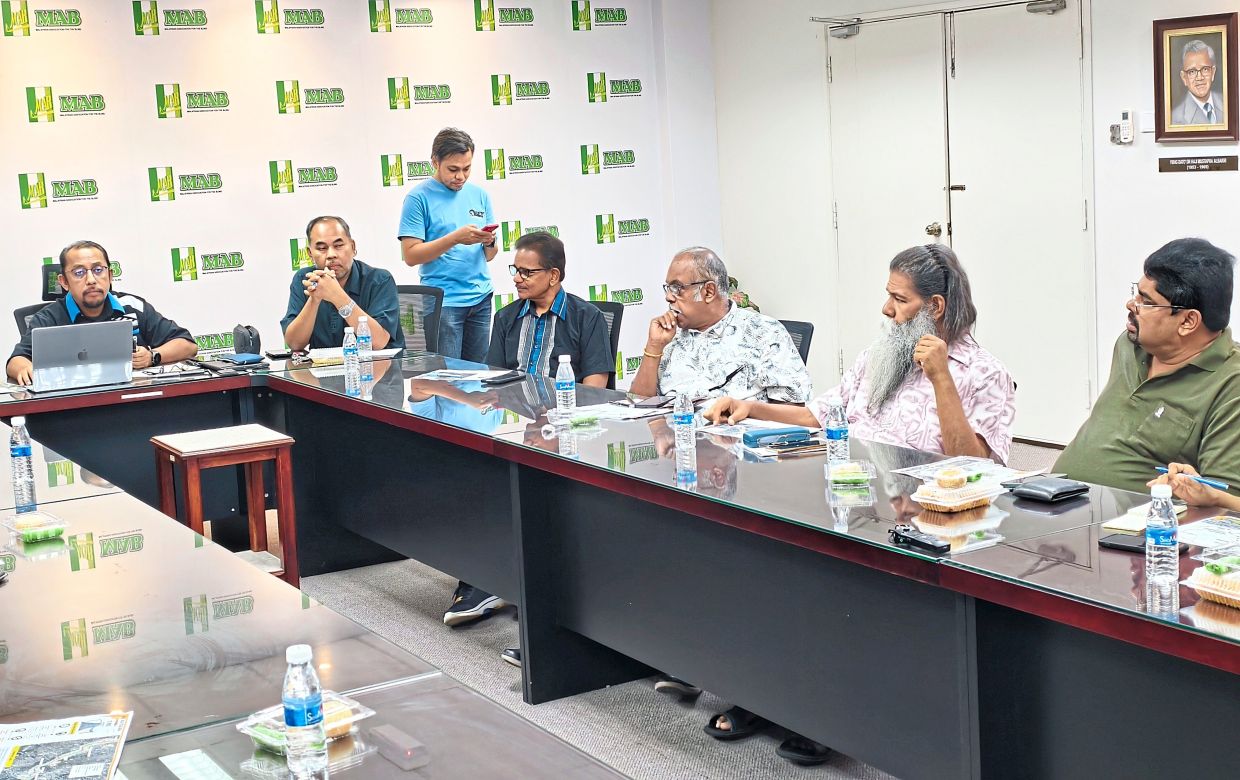
“Brickfields is already congested. What were the findings of the traffic and social impact assessments conducted here? These are the details we want to know,” he said.
Sri Maha Muneswarar Temple representative A. Tanuja asked if authorities had adequately considered traffic conditions along Brickfields’ inner roads.
“Brickfields is home to temples, churches, mosques and schools. It is also a popular shopping destination and one of the most congested areas in the city,” she said.
“Almost every month, major religious festivals are held here. Even if the highway is elevated, the impact on traffic along the inner roads must be taken into consideration.”
Holy Rosary Church representative John Tan raised concerns about noise pollution, recalling the disruption experienced during the construction of the KL Monorail.
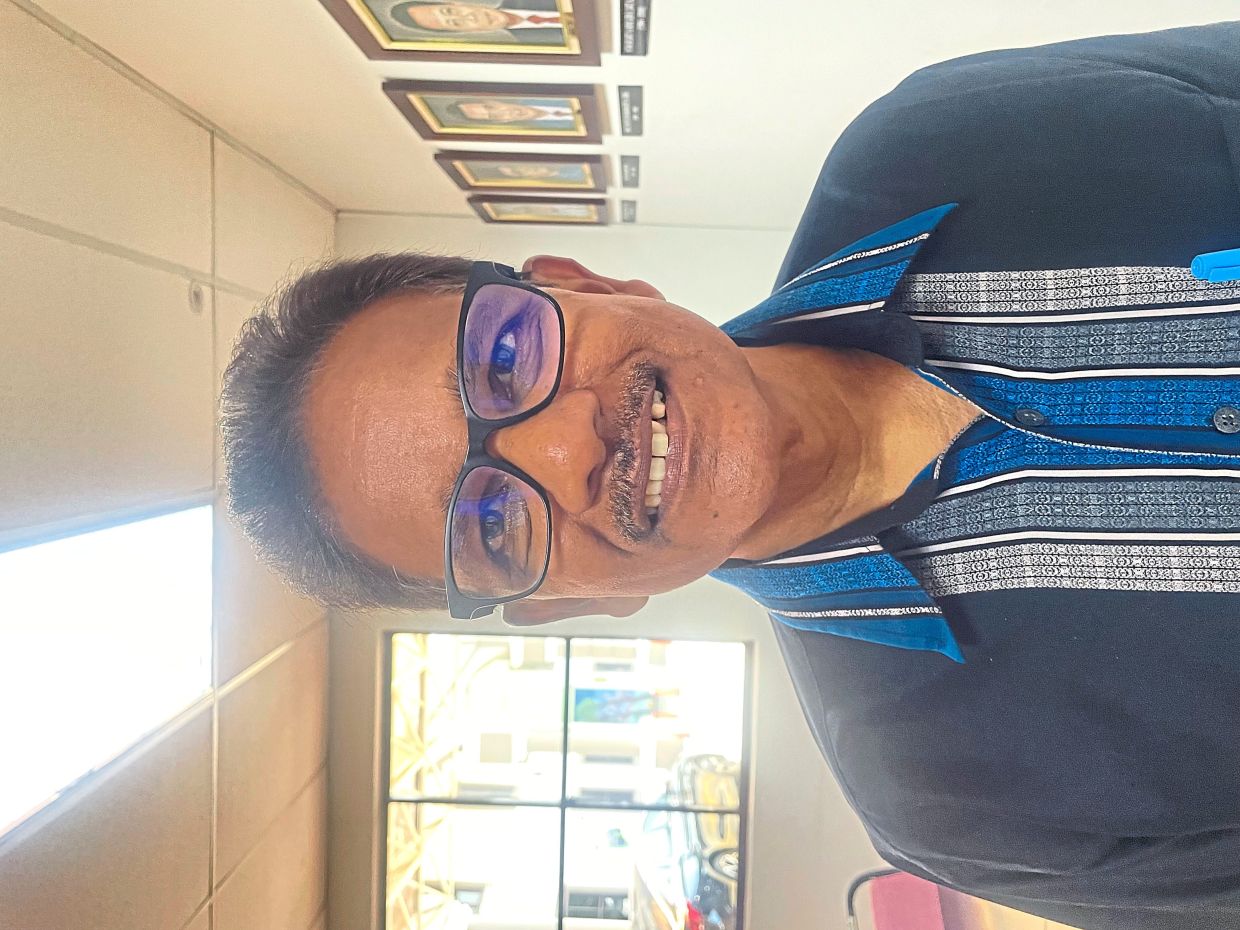
“We faced similar issues when the monorail was built. How will the noise generated during construction and operation of the expressway be managed?” he asked.
Church of Our Lady of Fatima representative Santhana Rengam said the church has been affected by flash floods 11 times over the past two years, resulting in more than RM100,000 in damage to its electrical wiring system.
“New developments always worry us. We would like to know how this longstanding problem will be addressed,” he said.
Participants also highlighted safety concerns involving vulnerable groups, particularly the visually impaired community.
Malaysian Association for the Blind chief executive officer Datuk George Thomas urged project planners to ensure the needs of blind and visually impaired pedestrians were not overlooked.
“Their safety is crucial. We want to know which roads the construction vehicles will use and at what times.
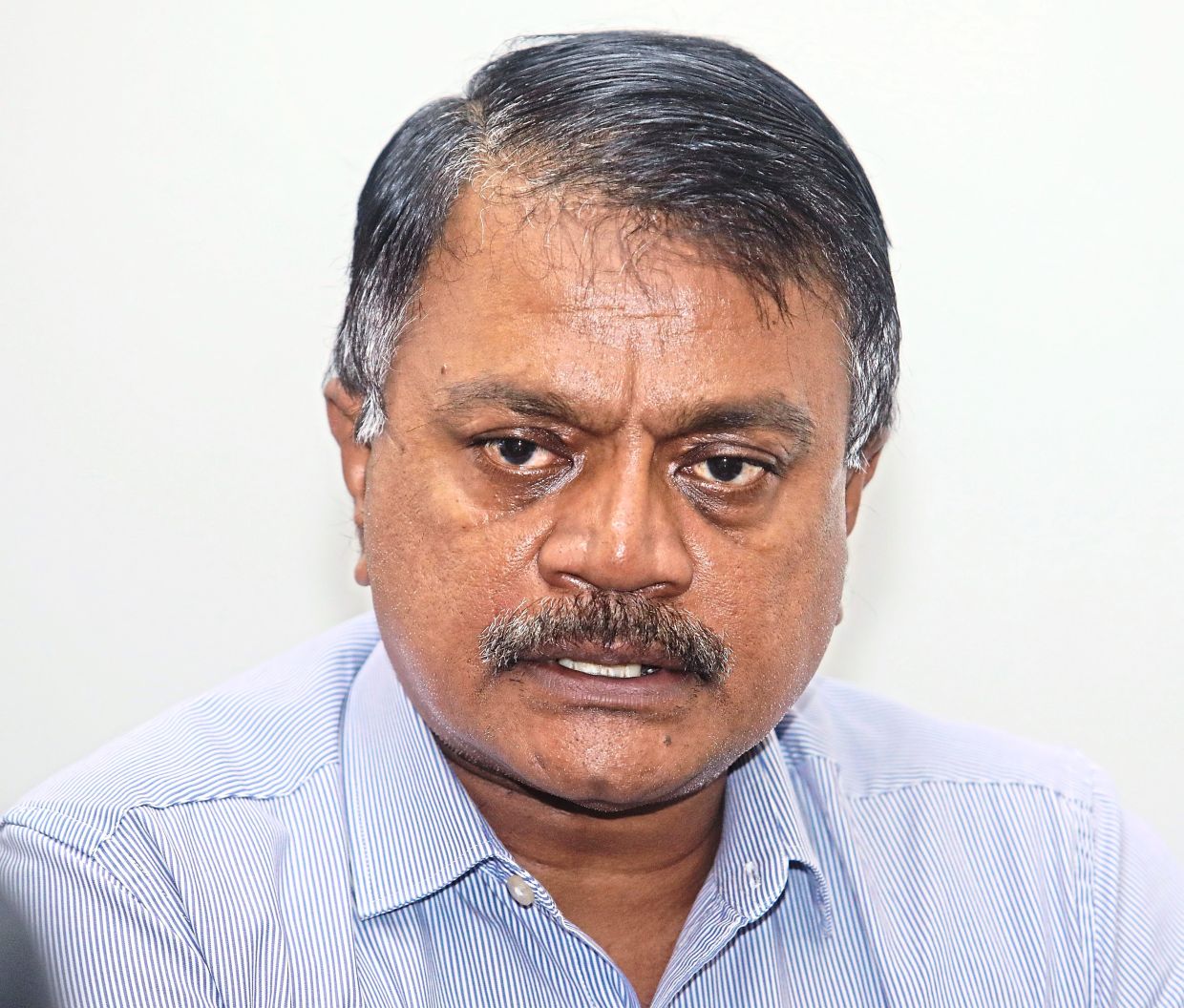
“There must be additional safeguards for pedestrians, especially the visually impaired,” he said.
Khairul said all questions and concerns raised have been taken note of.
“We are committed to providing answers to every issue brought up by stakeholders.
“This is only the beginning of the engagement process. There will be additional sessions involving residents, schools, business operators and other affected groups,” he said.
Khairul added that the consultancy will also arrange for the relevant consultants to present more detailed findings from the traffic and social impact assessments.
“This is to enable stakeholders to better understand the project’s potential impacts and propose mitigating measures.” - Star

No comments:
Post a Comment
Note: Only a member of this blog may post a comment.