


With Umno Youth chief Dr Akmal Saleh mulling to quit all his positions following setbacks in his push for the party to leave the coalition government, analysts weighed in how his departure may impact the nationalist party.
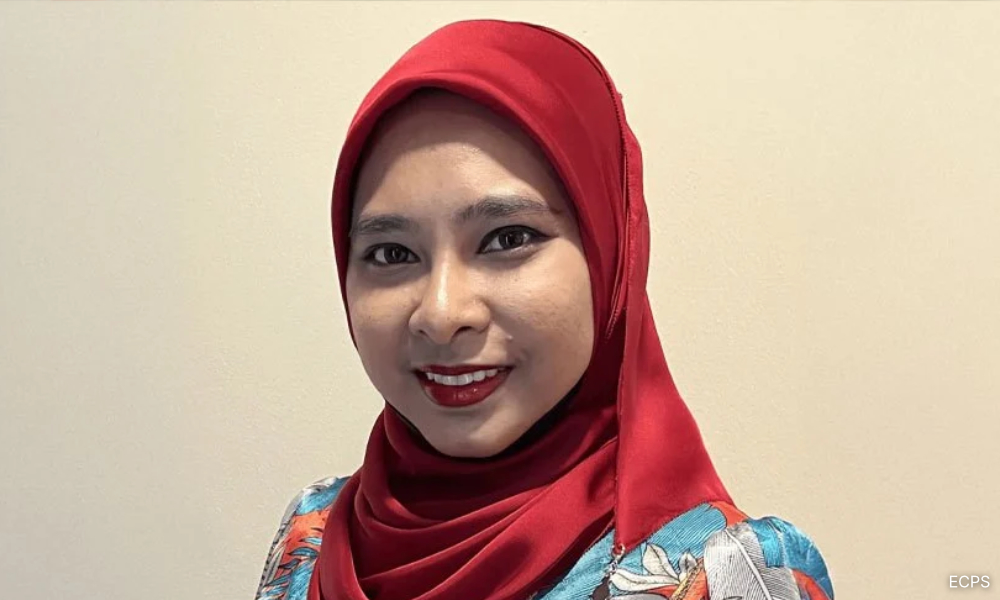
International Islamic University Malaysia political science analyst Syaza Shukri said Akmal's absence would probably make Umno Youth “less vocal and less forward”, though not entirely deferential to the party’s central leadership.
“I think without Akmal, Umno Youth would probably be less vocal and less forward. Not to say it would be quiet and subservient to central leadership but I think it would be more consensus driven and a more united voice,” she told Malaysiakini.
She noted that Umno Youth has historically been more ethnonationalist than the party as a whole, but argued that Akmal had amplified this tendency by repositioning the wing as a populist voice claiming to represent Umno grassroots.
“It entrenches rhetoric of youth as the outspoken wing,” she said.
According to Syaza, Akmal did not fundamentally change the youth wing’s ideological leanings, which were already conservative and right-leaning, but significantly altered its tone.
Last week, Akmal posted a cryptic message suggesting he might “step down” after Umno president Ahmad Zahid Hamidi rejected his call for the party to withdraw from the coalition government.
The Merlimau assemblyperson indicated that, despite his best efforts, an unspecified objective had not been achieved.
Shortly after Akmal’s post, Zahid, in a veiled reference to the youth chief, reminded Umno Youth leaders to accept criticism without “taking shortcuts” to avoid accountability.
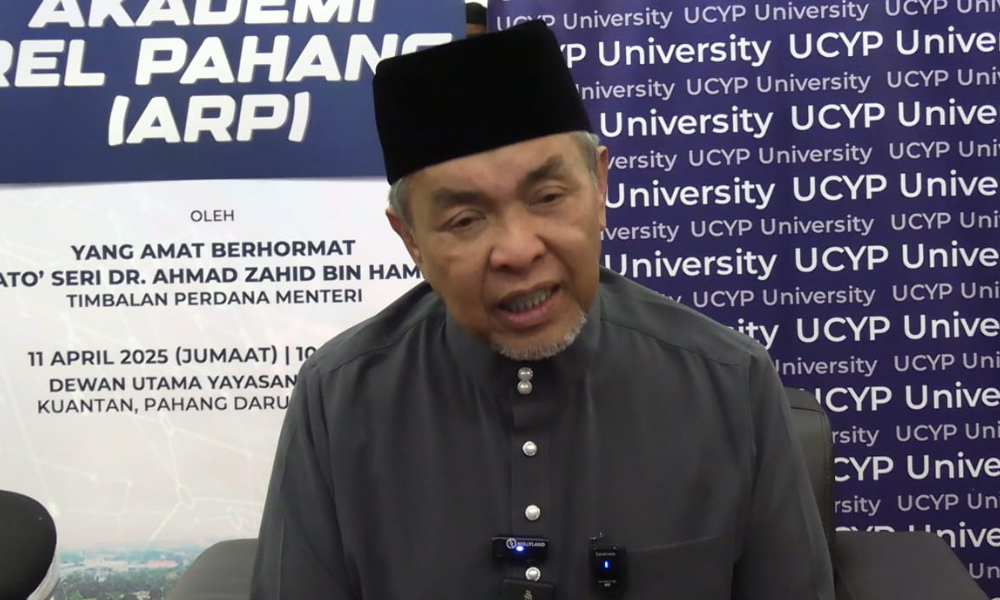
Zahid stressed that politicians who criticise others must also be prepared to face criticism themselves, noting that differing views are an inherent part of politics.
Subsequently, Akmal said he will make an announcement about his political future in the upcoming Umno annual general assembly.
Less combative Umno Youth
On that note, Syaza expected continuity in Umno Youth’s core role if Akmal resigns, but with a less combative posture.
“I honestly think it would be more of a continuity because like I said the youth wing will always play the role of representing the Malay-Muslim interests.
“The difference is just that it wouldn't be as combative as under Akmal,” she said.
Syaza added that the wing could adopt a more conciliatory stance to support political stability, although she does not expect it to become technocratic.
She also suggested that Akmal’s departure could reduce provocative messaging, particularly against DAP, though conservative rhetoric would remain.
“Maybe without Akmal, the wing would reduce more provocative statements that we know have led it to go head-to-head especially against DAP.
“But I think it won’t abandon that kind of messaging because Umno, at the end of the day, still depends on conservative Malays and the community’s anxieties,” she added.
On internal party dynamics, she believes Akmal has strained relations with Umno’s leadership through statements that were not aligned with official positions.
While his exit could lower tensions, she cautioned it might also deepen divisions among those opposed to Umno’s cooperation with Pakatan Harapan.
“His exit would probably reduce tension but it might lead to further division if those who are not happy with working with Harapan feel that their voices are no longer heard or with no avenue voice out,” she said.
Period of adjustment, not upheaval
Political analyst Sivamurugan Pandian, however, offered a more institutional perspective, saying the Umno Youth would go through a period of adjustment rather than upheaval.
Whether Akmal’s departure would signal continuity or change, the Universiti Sains Malaysia academic said: “Likely a mix of continuity with some adjustments, depending on the next leadership”.
He also rejected the notion that Akmal fundamentally altered Umno Youth’s ideological stance.
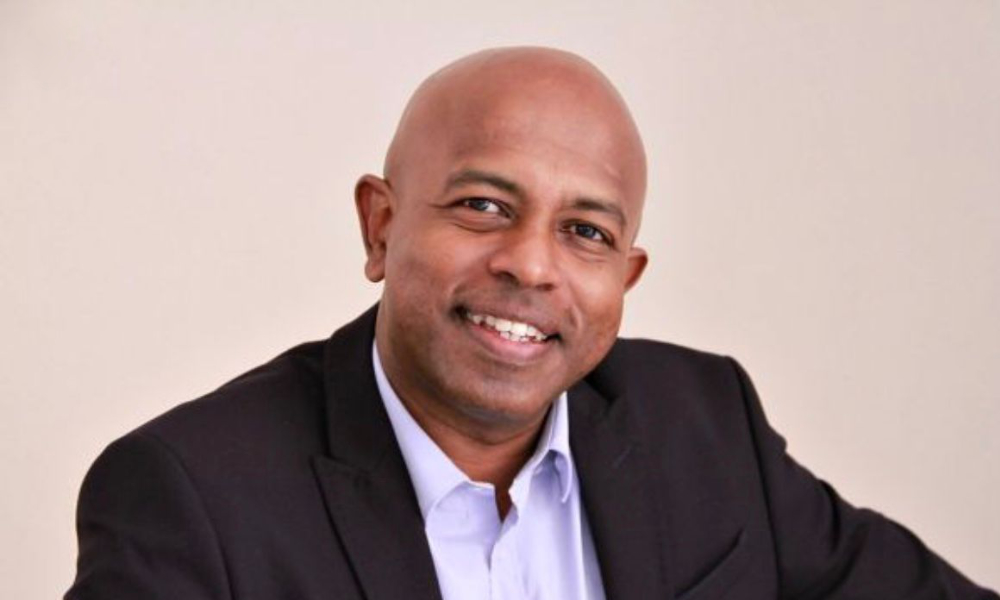
“He has influenced messaging, especially on issues important to the youth base, while maintaining the party’s core principles,” Sivamurugan told Malaysiakini.
Acknowledging uncertainty over succession, Sivamurugan noted that Akmal may consider completing his term as there is no immediate replacement in sight.
“No immediate successor matches his visibility fully; the next leader’s profile will shape the transition. He may stay until his term ends as many have voiced for him to stay,” he said.
Political theatre has limits
Senior researcher at the think tank O2 Malaysia, Anis Anwar Suhaimi said the outcome depends on what Akmal would do after he decides to relinquish his posts.
Anis said that under Akmal, Umno Youth initially worked in a sort of “division of labour” with the senior leadership. While the wing went confrontational (bad cop), its top leadership took a more moderate and stabilising stance (good cop).
However, Anis warned that this balance has started to crack.
"This arrangement helped contain grassroots anger within the party’s orbit, preventing spill over to rival parties.
"Yet, political theatre has its limits. Signals from Akmal himself suggest that this equilibrium has become strained.
“Persistent tension between expressive autonomy and institutional discipline appears to have tested the patience of the senior leadership," he added.
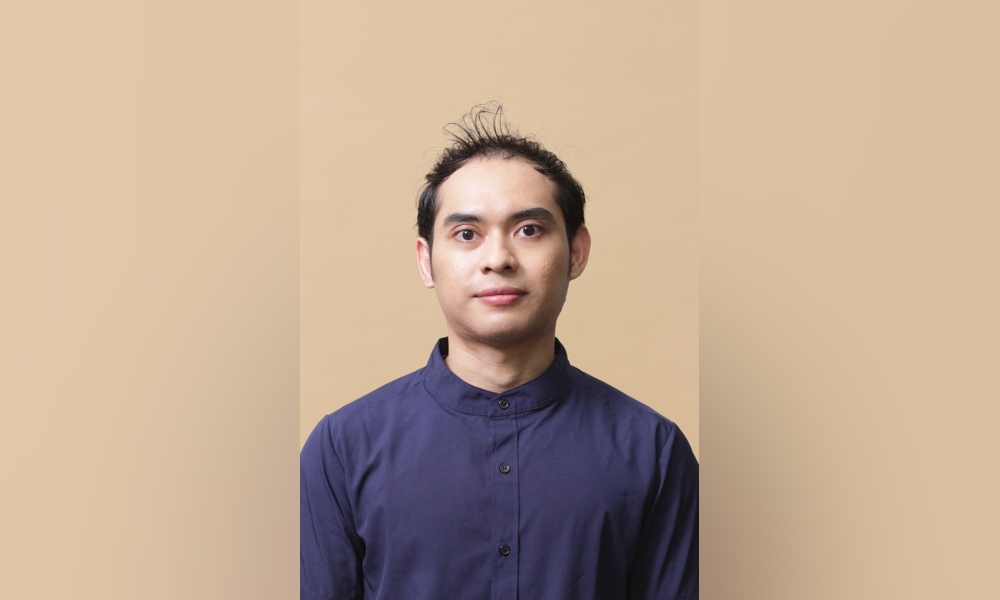
Anis also said Akmal's exit alone would not resolve party tensions but his ongoing influence and actions would determine whether divisions widen or narrows.
"If Akmal continues to articulate positions that resonate with Umno Youth’s ideological base, loyalty among like-minded youth members is likely to persist regardless of leadership changes.
"In that scenario, his departure from formal office could crystallise factional divides rather than dissolve them. Internal tensions would not disappear; they would merely shift from the surface to the substructure," Anis said.
Umno’s ideology remains
Anis also concurred with Syaza and Sivamurugan that ideologically, Umno has not shifted under Akmal, as its foundational commitments to religion, race, and nation remain clearly enshrined in the party’s constitution.
What changed, however, was the mode of expression.
"The heightened rhetoric on race and religion reflects a strategy to reclaim relevance and assert legitimacy, rather than an ideological radicalisation.
“In that sense, Akmal has not altered Umno Youth’s ideological compass; he has simply spoken louder because the ground beneath Umno has become less certain.
Anis argued that Umno Youth’s tone is very important because it affects how credible the party appears to its core supporters, who are mostly Malay.
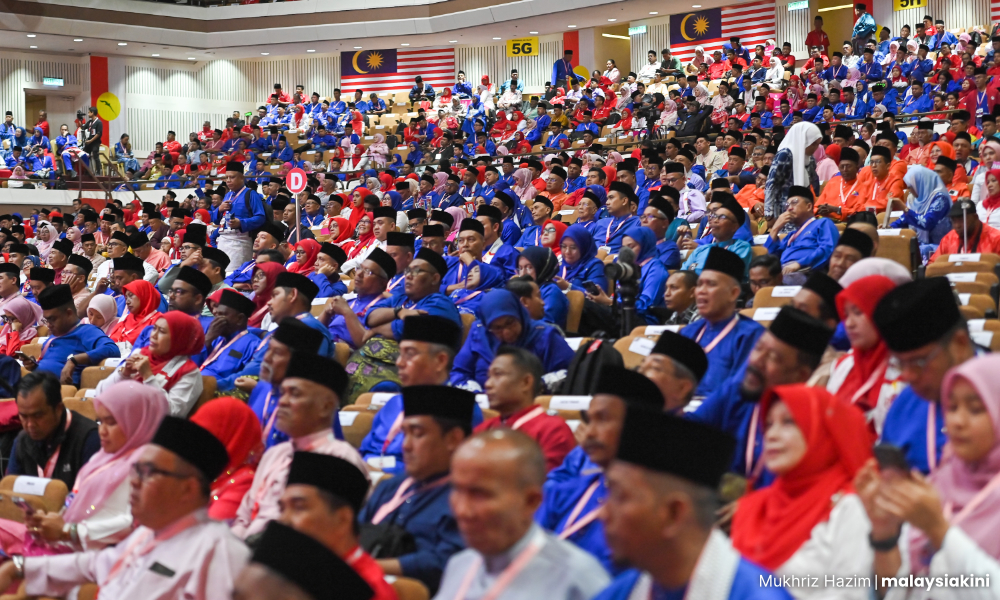
He said that in a highly polarised political environment, the way the youth wing members speak signals whether Umno is serious, competent, and protective of its base - or simply stirring outrage without showing it can govern responsibly.
"The strategic question is whether Umno Youth’s tone helps Umno reclaim Malay confidence without making the party look like it has no governing throttle control. In modern elections, style becomes a proxy for capability.
"The risk is not simply that Akmal is gone. The risk is that the youth wing becomes unsure whether it is a base-mobiliser, a coalition stabiliser, or a leadership challenger.
“If it clarifies that identity and aligns it to Umno's Malay-seat recovery map, it can remain highly consequential even with less algorithmic noise," Anis added. - Mkini

No comments:
Post a Comment
Note: Only a member of this blog may post a comment.