


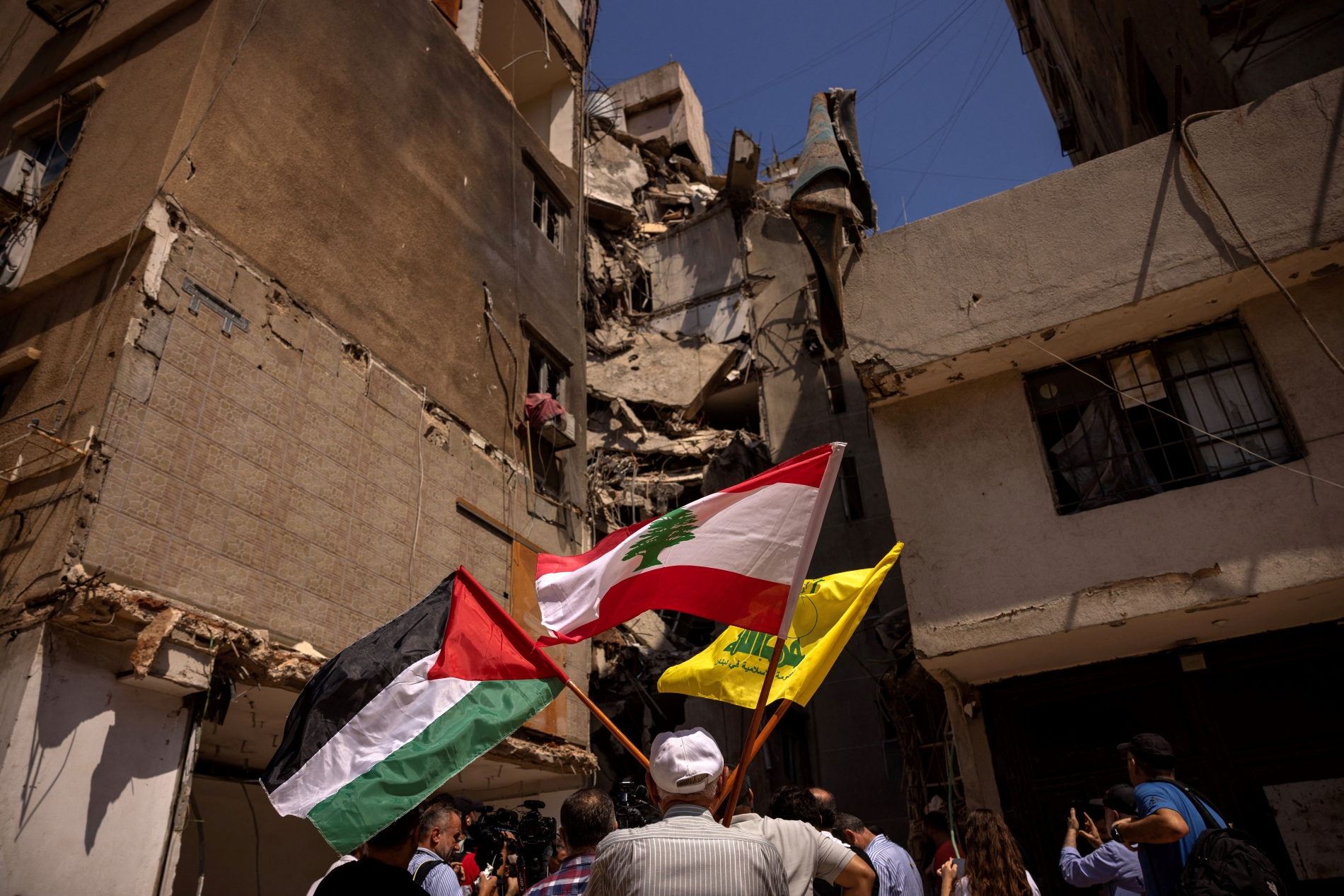
THE war in the Middle East is being fought ferociously and, going by Facebook accounts, Iran is getting the upper hand.
Go on any social media platform and there you will see how Iran is bashing Israel with waves after waves of missile strikes accompanied by grim pictures and videos of widespread destruction across Tel Aviv.
Those images look real just like those of Gaza: buildings burning uncontrollably, mountains of rubble everywhere, people fleeing for life as bombs keep hitting targets.
The trouble is that one of the images of a burning building looks suspiciously like the towering inferno in Hong Kong when an apartment complex went up in flame in November last year.
All you got to do is to transplant the horrific Hong Kong image onto Israel. Or to lift a picture of the Gaza refugees onto the Israelis made to look fleeing their homes.
There are even pictures of US unsinkable aircraft carriers being destroyed by Iranian missiles—an incredible feat.
Somehow, the non-existent Iranian navy had also intercepted an American warship and captured all the American crew members. The photograph looks so real that all praise must go to Tehran for such a daring act.
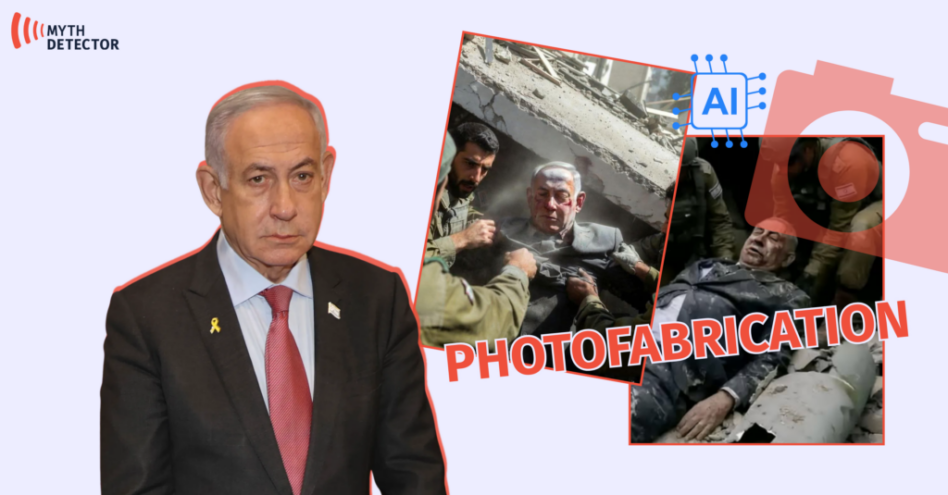
The picture that went viral on Facebook was the news that Israeli Prime Minister Benjamin Netanyahu had been assassinated complete with his body in the coffin being carried to his grave. Good heavens! It looks so real. And there was an outbreak of celebration in the Muslim world on the social media.
If only all these news, images and videos are true! But the whole world knows that most of the deeds of the Iranians reported on Facebook belong more to the realm of fiction than actual combat experience.
The main culprit playing up all these heroic deeds of Iran must surely be this armchair warrior called Artificial Intelligence (AI). All you got to do is tweak AI via your computer and voilà, you can defeat even the strongest military in the world.
The Middle East conflict seen through the lenses of AI tells a different story. If you swallow it hook, line and sinker, then Israel met its match in Iran and is heading for a humiliating defeat.
Indeed, AI is a powerful missile being launched from the Facebook pad to ostensibly boost the status of Iran as a very powerful country that can stand up to the combined might of America and Israel.
Naturally in the Muslim world, every accomplishment Iran made on the social media battlefield is praised sky-high. At last, here is one country with a 1,000-year Persian history that has the potential ability to wipe out Israel from the map of the world.
Besides, all the “victories” on the Facebook battlefields take on a breathtaking dimension when Iran is portrayed as a minnow—an underdog—who has been dealing fatal blows to the American military giant.
People love to lap up stories of the underdogs inflicting heavy defeats on their stronger opponents because that makes great news.
“Go Iran, Go” is the cheers that reverberate through Facebook every time cluster bombs are shown falling down on Tel Aviv or captured American soldiers are seen kneeling down in front of their sneering, victorious enemies.
Let’s now turn to the other battlefield—the coverage by cable news networks and international wire services.
Here, the war is told as it happens on the ground without the aid of AI. Real war correspondents are assigned to cover the conflict and real images are seen in your living rooms.
Since Iran has imposed a near-complete internet blackout, very little information is known about the actual situation on the ground. Is Iran on the verge of collapse? Are demonstrators still being indiscriminately killed on the streets of Tehran?
Is the vaunted and feared Islamic Revolutionary Guard Corps (IRGC) still in total control of the country?
Nevertheless, all those war correspondents are bringing us the real news without exaggeration or embellishment. Even if some news appear to be slanted, the reports about the conflict portray a more realistic picture than the ones you read on Facebook.
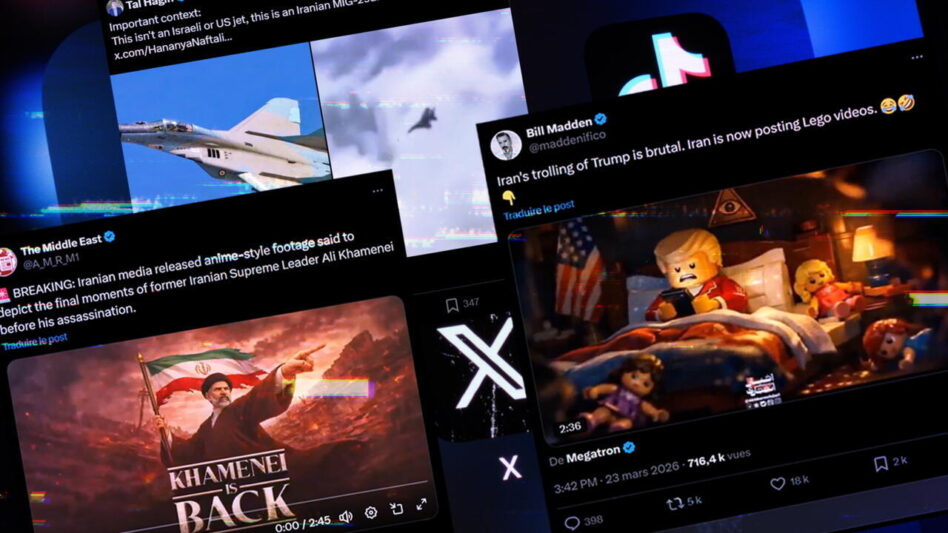
So far, this has been a tit-for-tat war: every time Israeli warplanes dropped bombs on Iran, Tehran fires salvoes after salvoes of missiles onto the Jewish state. It appears that the Islamic republic has an inexhaustible supply of cluster bombs and drones to repulse enemy attacks.
Will the war grind on to a bitter conclusion or hit a stalemate? The noise from Washington is that US marines are heading to the Middle East, which will mark a new phase of the conflict as the world will be witnessing, this time, pitched open battles if the opposing enemies clash.
Ground combats will reveal the true strength of the IRGC: are its soldiers made of steel or are they mere paper tigers? Will they come out openly in mass formations backed by tanks or will they disappear into thin air once the invaders occupy Tehran?
Whatever scenarios emerge from the Middle East quagmire, one significant development is the inescapable role of AI on social media. The AI “generals” are as courageous and powerful as those boots on the ground who can even determine the outcome of the hostility.
In fact, modern warfares will see AI playing an active role and, depending on which side you are standing on, boosting the fortunes of the combatants with the appropriate images and videos.
The only way to ascertain who will be the eventual victors in the Middle East turmoil is to wait for the sounds of war to stop. And there can only be one solitary outcome—either America retreat in an embarrassing rout or Iran waves the white flag.
Phlip Rodrigues is a retired journalist.
The views expressed are solely of the author and do not necessarily reflect those of MMKtT.
- Focus Malaysia

No comments:
Post a Comment
Note: Only a member of this blog may post a comment.