


At a time when global tensions are once again testing the fragility of economic stability - particularly through evolving geopolitical fault lines involving the United States, Israel, and Iran - Malaysia stands at a decisive policy juncture.
The question is no longer whether external shocks will reach our shores, but how effectively we respond when they do.
The central argument is straightforward: targeted subsidies under the Madani government are not merely a fiscal recalibration, but a strategic imperative to safeguard national resilience, preserve social cohesion, and sustain long-term economic credibility in an increasingly uncertain global environment.
The leadership of Prime Minister Anwar Ibrahim has signalled a deliberate shift away from broad-based subsidies toward a more targeted, data-driven framework anchored in national identity systems.
This transition does not occur in isolation. It unfolds against a backdrop of heightened global energy volatility, persistent supply chain disruptions, and rising geopolitical risk premiums that inevitably translate into domestic inflationary pressures.
Blanket subsidies not the way forward
In such conditions, maintaining blanket subsidies would not only strain fiscal capacity but also dilute the precision of assistance intended for those most in need.
Yet policy rationale alone does not capture the full picture. The lived experience of the rakyat is far more nuanced.
Asnaf and B10 communities continue to confront immediate survival pressures, where even marginal increases in food and transport costs can disrupt daily consumption.
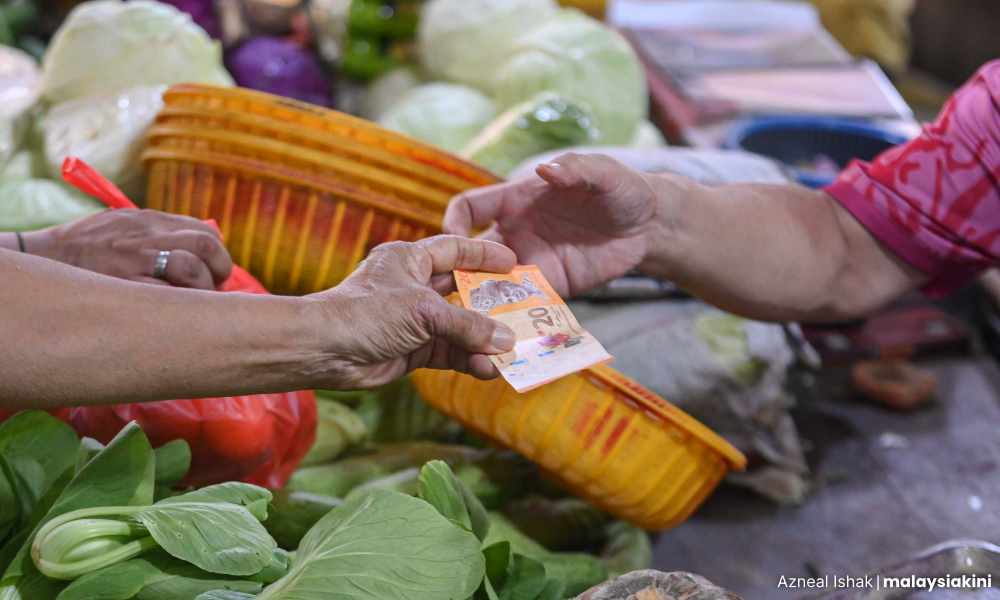
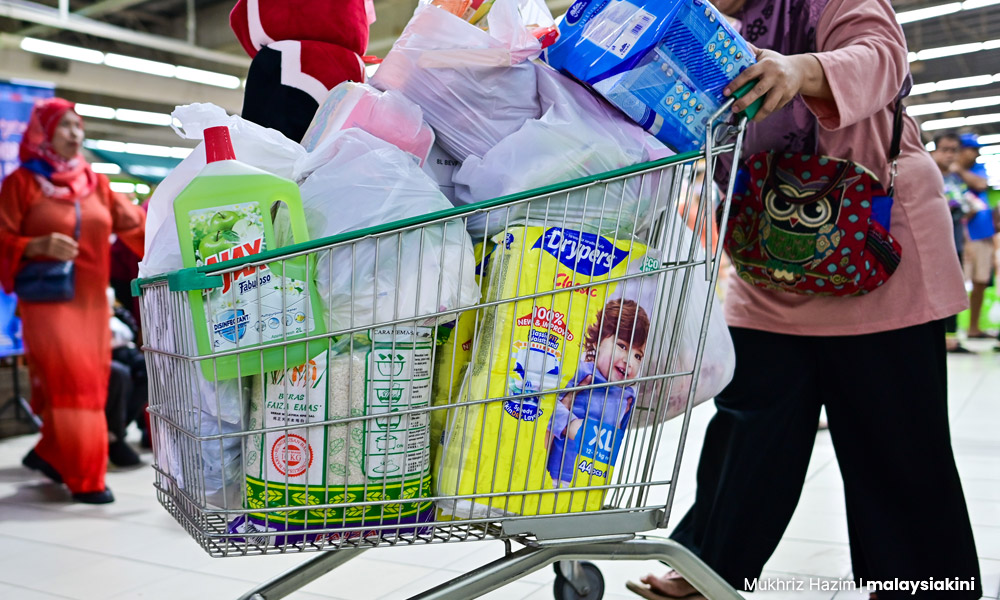
The B40 and Lower M40 remain acutely sensitive to cost-of-living pressures, particularly in urban settings where housing, utilities, and education expenses accumulate rapidly.
Meanwhile, the Upper M40 and broader middle-income groups are increasingly experiencing what may be described as “income compression,” where earnings growth fails to keep pace with rising expenditures, gradually eroding financial security.
These pressures extend beyond income classifications. Disabled communities face persistent structural barriers to access; youth navigate uncertain employment pathways; the elderly contend with fixed incomes amid rising healthcare costs; and women, particularly single-parent households, balance economic responsibilities alongside caregiving roles.
Micro-entrepreneurs and SMEs operate within an environment of fluctuating input costs, while gig economy workers and informal sector participants often lack stable income buffers.
Even among higher-income groups, concerns regarding asset preservation, currency exposure, and investment stability are becoming more pronounced.
Data-driven targeted subsidies
Within this broader context, targeted subsidies must be understood not as a withdrawal of support, but as a refinement of national protection mechanisms.
By linking assistance to verified data through national identity systems, the government seeks to ensure that fiscal resources are allocated with greater accuracy and impact.
This approach becomes particularly critical when external shocks - such as disruptions to global energy supply routes or abrupt currency fluctuations - can rapidly amplify domestic cost pressures.
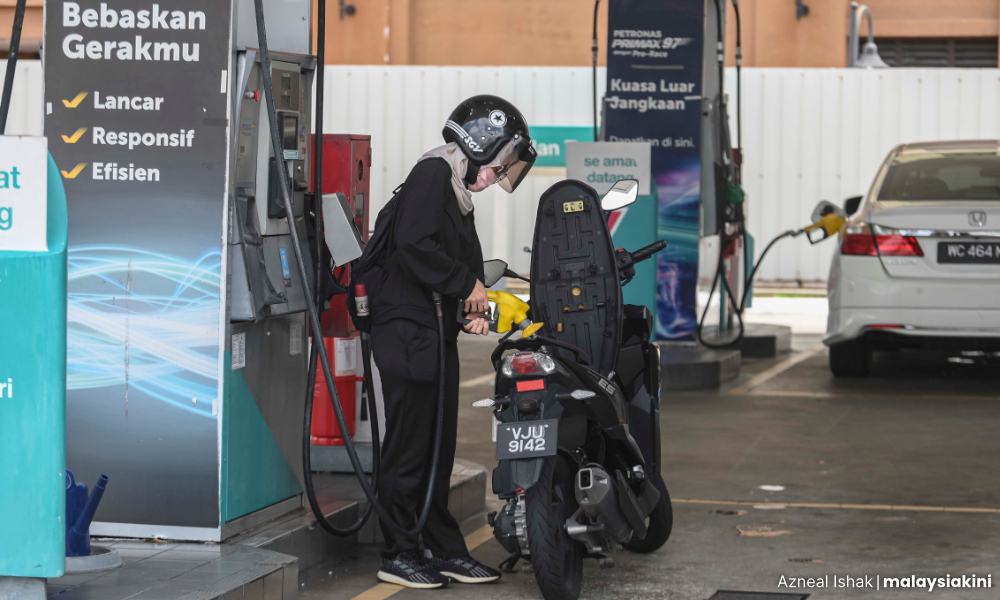
The immediate test, however, lies in execution. Policy credibility will be measured not by announcements, but by outcomes. Any deficiencies in data accuracy, delays in disbursement, or perceptions of inequity in eligibility could erode public confidence.
Transparency, therefore, is not optional but essential. Clear communication of eligibility criteria, accessible grievance mechanisms, and timely updates on subsidy distribution are fundamental to sustaining trust.
Communication is key
Equally important is the need to temper public reaction. Historical experience suggests that both markets and societies often react more sharply to uncertainty than to underlying fundamentals.
While global tensions are real, Malaysia’s macroeconomic foundations remain intact, supported by a stable banking system, a manageable inflation trajectory, and ongoing policy reforms. The appropriate response is not alarm, but informed vigilance.
At the household level, practical steps can enhance resilience. Prioritising essential expenditure, managing debt prudently, and building even modest financial buffers can provide meaningful stability.
For businesses, particularly SMEs, diversification of supply chains, disciplined cash flow management, and adoption of digital efficiencies will be increasingly important.
Community-based support structures, including cooperatives and local networks, can further mitigate the impact on vulnerable groups.
Societal cohesion
This period also underscores the importance of reaffirming social cohesion. Economic strain, if left unaddressed, risks translating into broader social fragmentation.
Malaysia’s enduring strength lies in its capacity to navigate complexity through collective understanding and mutual support. Amidst Ramadan and Aidilfitri, this spirit of shared responsibility and empathy becomes even more significant.
From a policy standpoint, continued refinement of data infrastructure, improved inter-agency coordination, and accelerated digital inclusion are essential to ensure no segment of society is excluded.
Strengthening collaboration between the public and private sectors, particularly in areas such as food security, logistics, and essential services, will further enhance national resilience.
Over time, targeted subsidies must be complemented by structural reforms aimed at improving productivity, raising wages, and expanding economic participation across all segments.
Ultimately, targeted subsidies are not a flawless solution, but they represent a necessary evolution.
In a global environment where external shocks are increasingly frequent and unpredictable, fiscal precision is no longer optional. Malaysia must ensure that every ringgit deployed delivers maximum value to those who need it most.
Calm, clarity, and collective discipline will define how effectively the nation navigates the months ahead.
The rakyat are not being asked to endure uncertainty passively, but to respond with informed adaptability. With steady leadership, transparent governance, and a unified society, Malaysia can move forward - shaped by global turbulence, yet not destabilised by it. - Mkini
AZAM MOHD is an independent political and economic analyst.
The views expressed here are those of the author/contributor and do not necessarily represent the views of MMKtT.

No comments:
Post a Comment
Note: Only a member of this blog may post a comment.