


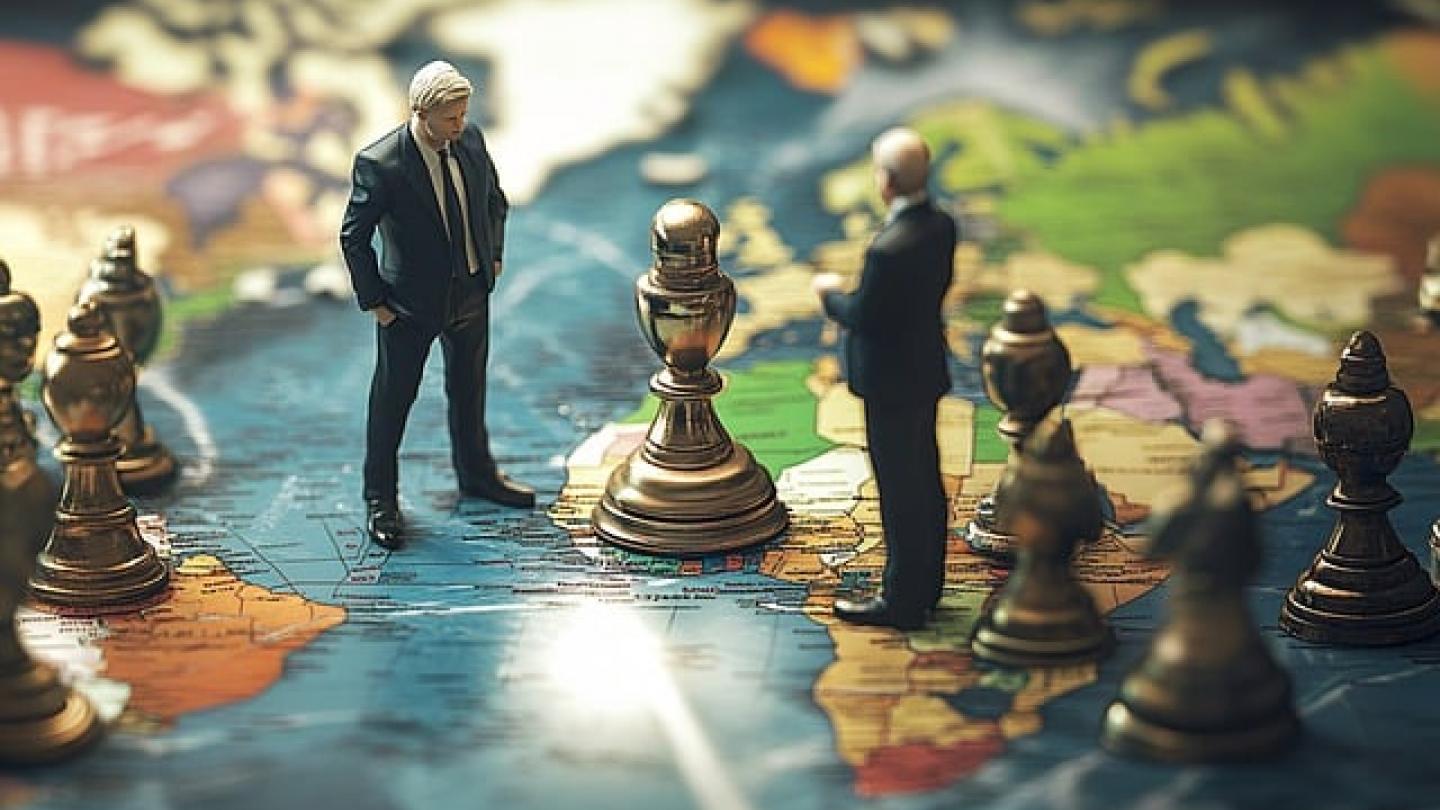
YOU would think, with all our technology, global connections, and shared challenges, we’d be seeing some steady, level-headed leadership on the world stage.
Instead, we’re stuck with endless conflicts, stalled climate action, trade wars, and diplomatic breakdowns. It often feels like we’ve got a room full of powerful people… but there are hardly any real “grown-ups” in sight.
This isn’t really about pointing fingers at individual leaders. It’s more about how the whole global system seems designed to bring out the worst in leadership.
For starters, geopolitics today runs on short-term thinking. Election cycles, 24/7 news, and public pressure reward quick wins and looking tough. Long-term vision—which used to be the mark of real statesmanship—has become a political liability. Leaders are pushed to act fast, not necessarily to act wisely.
Then there’s the intense rivalry between major powers. The US, China, Russia—they’re more focused on competing than cooperating. Even well-intentioned leaders get pulled into a cycle of suspicion and posturing. Trust, which is essential for any mature decision-making, becomes a rare commodity.
And the international institutions we built to keep things stable? They’re often powerless. The United Nations (UN), for example, is still a vital space for dialogue, but it’s frequently stuck in gridlock thanks to vetoes and political divisions. There’s no consistent “adult in the room” to steer collective action.
On top of all that, we’re seeing a rise in populism and identity politics. In many countries, leaders gain support not by bringing people together, but by stoking fear, grievance, or nationalism.
That makes it incredibly hard for calm, principled voices to be heard. The “grown-up” approach—measured, ethical, inclusive—often gets drowned out by louder, more emotional rhetoric.
And social media doesn’t help. It fuels outrage, loves simplicity, and has no patience for nuance. Leaders are pushed to react instantly instead of reflecting deeply. In this environment, restraint—one of the clearest signs of maturity—is too often mistaken for weakness.
But it’s worth remembering: “grown-up” leadership is possible. Think of Nelson Mandela—his moral courage, his focus on reconciliation, his long-term vision even in deeply divided times.
Or Dag Hammarskjöld, the former UN secretary-general, who embodied quiet, principled diplomacy. Neither was perfect, but they held themselves to a higher standard, placing humanity above narrow interests.
So the real question isn’t just why this kind of leadership feels so rare today, but how we start cultivating it for the future.
It starts with education. We need to go beyond just producing people who are technically skilled. We have to nurture character—ethical thinking, empathy, a sense of global citizenship. Leadership isn’t just about strategy; it’s about who you are.
It also means strengthening institutions. Systems built on accountability, transparency, and the rule of law are more reliable than any one charismatic leader. True maturity in governance isn’t about strong personalities; it’s about strong, resilient frameworks.
We also need to rethink identity. A purely nationalistic mindset just doesn’t work for problems like climate change, pandemics, or economic instability.
The idea that we share a common future—something central to traditions like the Bahá’í Faith—offers a much better foundation for mature, global thinking.
And we have to start early. Young people need opportunities for service, mentorship, and real responsibility. Leaders aren’t born overnight; they’re shaped over decades.
At the end of the day, the absence of geopolitical “grown-ups” isn’t just a failure of leadership. It’s a reflection of what we, as a society, prioritise.
Leaders tend to mirror the people who put them in power. If we reward division, we’ll get leaders who divide. If we start valuing wisdom, integrity, and unity, over time, our leadership will reflect that too.
A stable world won’t be built by waiting for a few extraordinary figures to appear. It will be built—slowly, intentionally—by all of us.
KT Maran
Seremban, Negri Sembilan
The views expressed are solely of the author and do not necessarily reflect those of MMKtT.
- Focus Malaysia.

No comments:
Post a Comment
Note: Only a member of this blog may post a comment.