



SCROLL through social media today and modern wellness often appears to come in capsule form.
Collagen powders, magnesium gummies, probiotics, hormone-balancing drinks and “cortisol support” supplements now fill handbags, kitchen shelves and bedside tables.
The global dietary supplement market, estimated to be worth more than RM800 billion, continues to expand rapidly, with women representing one of its largest consumer groups.
Beauty supplements alone are expected to grow significantly over the next decade, fuelled by social media trends centred on “glow”, anti-ageing and curated wellness aesthetics.
Online, wellness influencers arrange pastel-coloured vitamins beside skincare products, iced matcha and scented candles, transforming health from a medical concern into a carefully styled lifestyle.
At first glance, there is nothing inherently wrong with this. Many supplements do have legitimate medical value. Iron deficiency remains one of the most common nutritional deficiencies among women worldwide, particularly among those of reproductive age.
Vitamin D insufficiency is increasingly recognised in both developed and developing countries, including Malaysia.
Folate supplementation before and during early pregnancy significantly reduces the risk of neural tube defects, while calcium and vitamin D remain important for bone health, particularly among postmenopausal women.
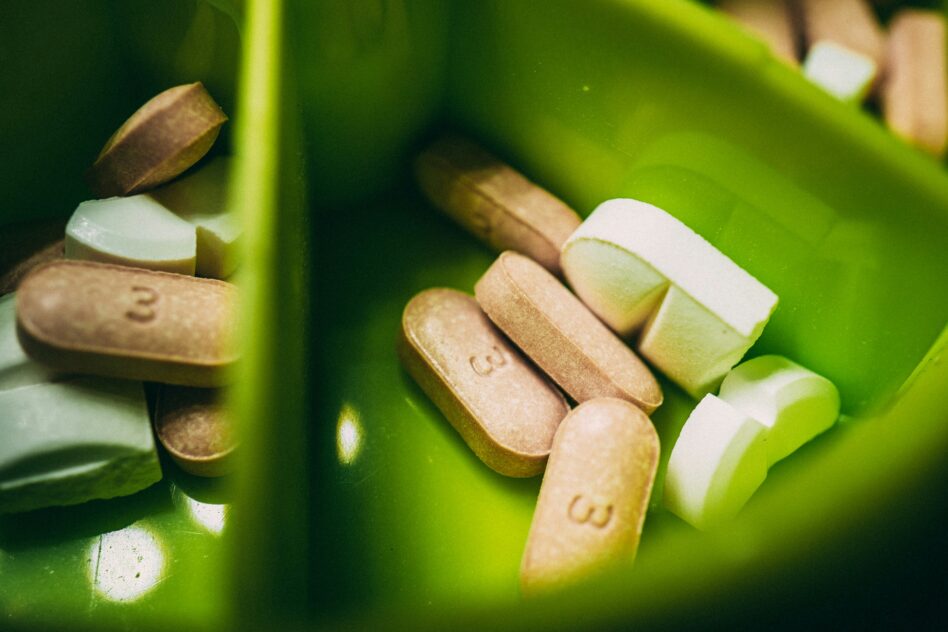
Some supplements also carry stronger scientific evidence than others. Omega-3 fatty acids have been associated with cardiovascular benefits in selected populations.
Probiotics may help with certain gastrointestinal conditions, while magnesium supplementation may benefit individuals with genuine deficiency or specific medical conditions.
However, evidence supporting many commercially marketed “wellness” supplements, particularly those promoted for hormone balance, detoxification, anti-ageing or stress reduction, remains limited, inconsistent or heavily influenced by marketing claims.
Despite this, supplement consumption continues to rise. Malaysian studies show women are significantly more likely than men to consume dietary supplements, particularly products linked to skin health, weight management, energy enhancement and anti-ageing.
Social media has amplified this behaviour, turning supplements from healthcare products into lifestyle accessories. Yet the deeper issue lies not in the supplements themselves, but in the expectations increasingly placed upon women.
Today, women are no longer expected merely to function. They are expected to function beautifully.
To be healthy is no longer enough. Women are encouraged to become endlessly optimised versions of themselves: energetic, emotionally regulated, hormonally balanced, mentally resilient, physically attractive and perpetually youthful.
Fatigue is quickly interpreted as deficiency. Stress becomes “cortisol imbalance”. Normal ageing becomes something to resist rather than accept.
At the same time, women are experiencing rising levels of psychological strain. Global reports continue to show increasing stress, burnout and emotional exhaustion among women balancing professional responsibilities, caregiving duties and societal expectations.
In many countries, women consistently report higher stress levels and poorer work-life balance compared to men.
Somewhere along the way, wellness quietly transformed into pressure.
The modern woman often carries multiple invisible responsibilities. She is expected to excel professionally while remaining emotionally available to her family, socially present, physically attractive and mentally composed.
Even rest itself has become performative. One is no longer expected simply to recover, but to recover elegantly through wellness routines, sleep supplements, Pilates memberships and carefully curated self-care rituals.
In this environment, supplements become more than nutrition. They become symbols of control, hope and self-improvement. Sometimes the ritual matters as much as the capsule itself.
A woman stirring collagen into her morning drink may not simply be pursuing better skin. She may be searching for a small sense of restoration in an exhausting world.
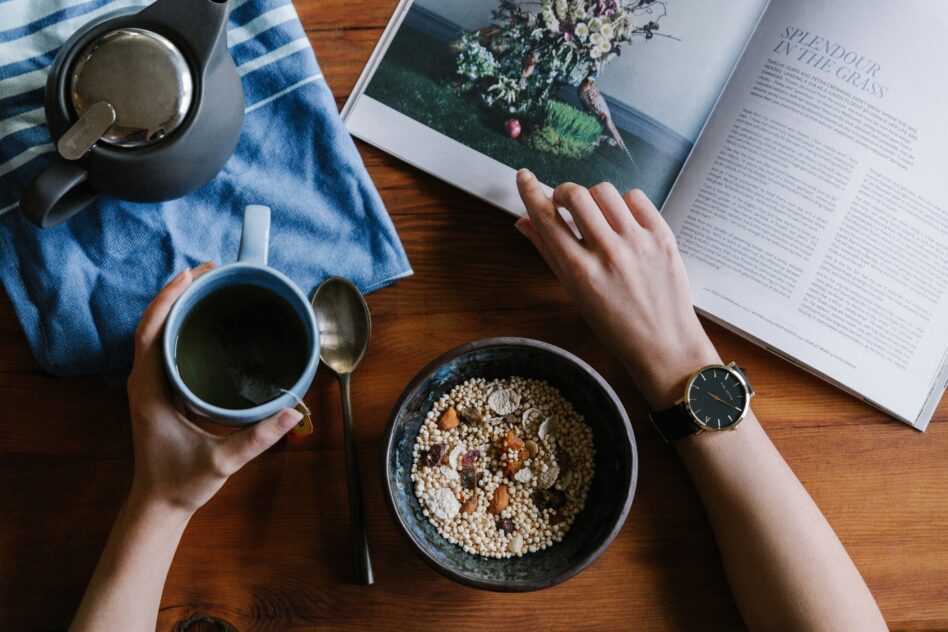
This perhaps explains why the wellness industry resonates so deeply with women. It does not merely sell vitamins. It sells aspiration: the promise of becoming calmer, prettier, healthier, softer, stronger and somehow more “put together”.
But healthcare professionals should also ask harder questions. Are women genuinely becoming healthier, or are they becoming increasingly anxious about achieving an impossible standard of wellness? Are supplements supporting women’s health, or are they quietly commercialising exhaustion and insecurity?
Not every tired woman is magnesium deficient. Not every bloated woman has a hormone disorder. Sometimes the problem is not biological inadequacy, but chronic overextension.
Sometimes women are simply tired in ways vitamins cannot fully fix.
This does not mean supplements are useless. Many remain evidence-based and beneficial when used appropriately.
However, both healthcare professionals and society must be careful not to medicalise every ordinary human experience, particularly those shaped by modern lifestyle pressures.
The real question is not whether women should take supplements. Perhaps it is why modern womanhood increasingly feels impossible without them.
Dr Mastura Mohd Sopian is from the Department of Clinical Medicine, Pusat Kanser Tun Abdullah Ahmad Badawi, Universiti Sains Malaysia.
The views expressed are solely of the author and do not necessarily reflect those of MMKtT.
- Focus Malaysia.

No comments:
Post a Comment
Note: Only a member of this blog may post a comment.