


Letter to Editor
WOMEN, Family and Community Development Minister Datuk Seri Nancy Shukri recently shared numbers that stopped me cold.
Since 2024, authorities have received over 1,000 reports involving male victims of harassment. Reported cases rose from 477 in 2022 to 1,038 in 2025. These aren’t just statistics. They are cracks in a wall of silence that has stood for decades.
Here’s something we don’t talk about enough: sexual harassment in Malaysia is often framed as a women’s issue, but recent reporting suggests a broader reality is emerging.
This is not about replacing one narrative with another. It is about acknowledging that more people are speaking up, and the picture is more complex than we once assumed.
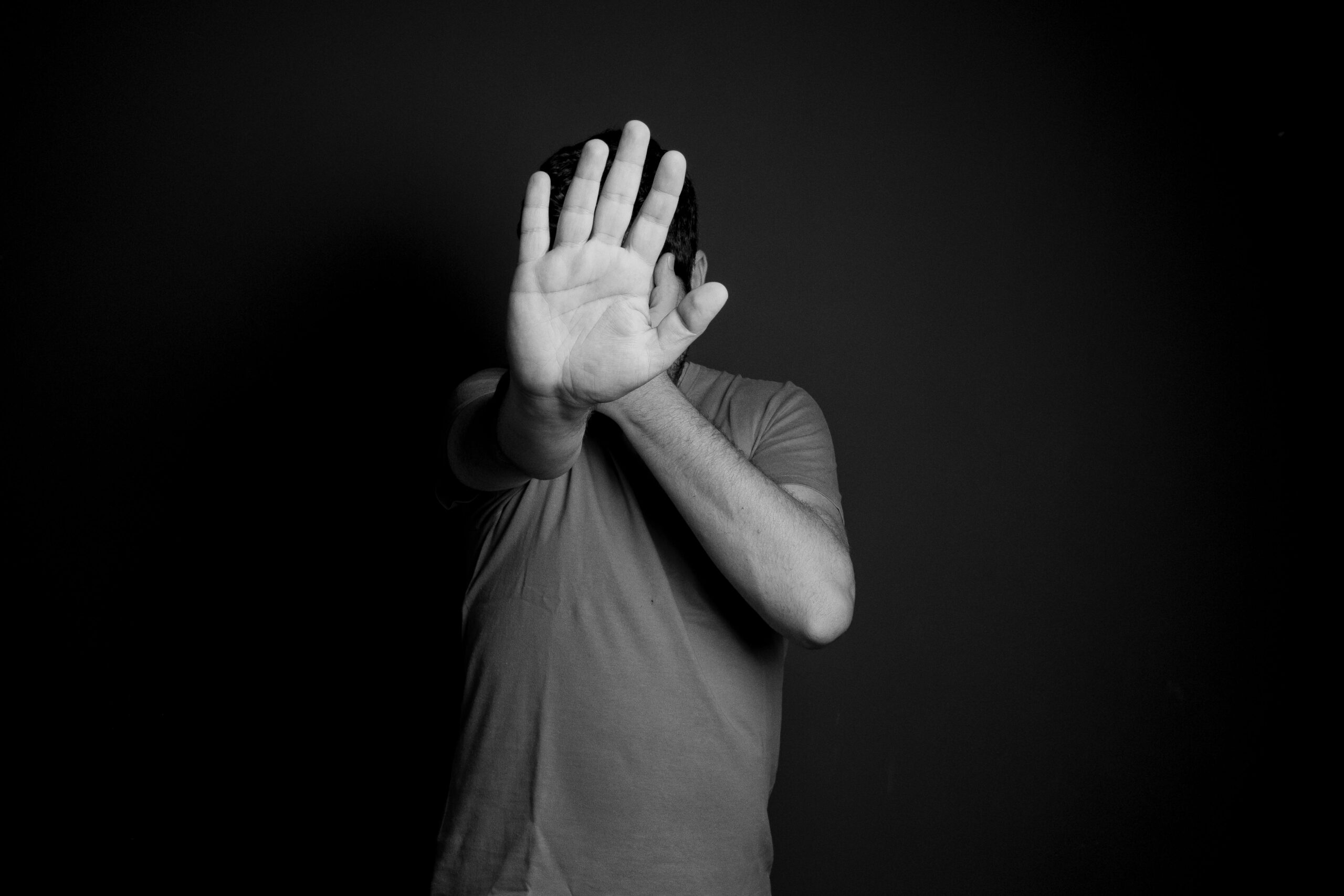
Men are coming forward as victims, slowly and quietly, but they are speaking.
The question is this: if more than a thousand men have already reported harassment despite shame, stigma, and ridicule, how many more have stayed silent?
We are not looking at a small issue. We are looking at something that cuts into basic human dignity.
For years, boys and men were taught to shrug things off. Be strong. Don’t make a scene. Male victims were often dismissed, laughed at, or not taken seriously. So many chose silence. That silence protected perpetrators and allowed harm to continue unchecked.
Now, that silence is beginning to break.
Take one reported case: a male shopper was allegedly grabbed from behind near a changing room by another man. Whatever the specifics, the point is broader. Personal boundaries in public spaces matter. Consent and respect matter in every interaction.
This is not fundamentally about gender or attraction. Harassment is about violation, power, and disregard for boundaries. Anyone can be a victim. Anyone can be a perpetrator.
We should be careful not to reduce this issue to culture wars or moral panic. What we are seeing instead is a breakdown in everyday respect, accountability, and awareness of consent.
Modern life plays a role in shaping behaviour, but it is not the sole cause. What matters more is how we respond: through education, norms, and enforcement.
One of the most overlooked issues is emotional education. We teach children mathematics and memorisation, but we rarely teach boundaries, consent, empathy, or psychological safety. A teenager may excel in exams but still struggle to recognise harassment, manipulation, or unhealthy relationships.
That gap is not small. It is a structural failure.
Consent education should not be controversial. It is not about changing values. It is about protecting people. Both boys and girls need to understand clearly:
No means no.
Unwanted touching is not acceptable.
Harassment includes words, pressure, and intimidation.
Victims deserve support, not blame.
Reporting abuse should not be a source of shame.
Workplaces are not exempt. Power imbalances, fear of retaliation, and weak accountability systems often keep victims silent. Institutions sometimes prioritise reputation over justice. That has to change.
We need faster investigations, safer reporting systems, proper workplace training, school-based education, and accessible mental health support.
Beyond policy, there is a deeper question.
What kind of society are we becoming?
We can build highways, skyscrapers, and a strong economy. But if people do not feel safe in schools, workplaces, buses, malls, or even their own homes, then development rings hollow.
A society does not collapse only through economic failure. It also erodes when people stop respecting each other’s dignity.
The rise in reports may feel uncomfortable, but it may also reflect something important: victims are speaking up. Silence is breaking.
The question now is whether Malaysia will respond with honesty and action, or continue to hide behind stigma, denial, and polite speeches while the problem remains unresolved.
KT Maran is a Focus Malaysia viewer.
The views expressed are solely of the author and do not necessarily reflect those of MMKtT.
- Focus Malaysia.

No comments:
Post a Comment
Note: Only a member of this blog may post a comment.