

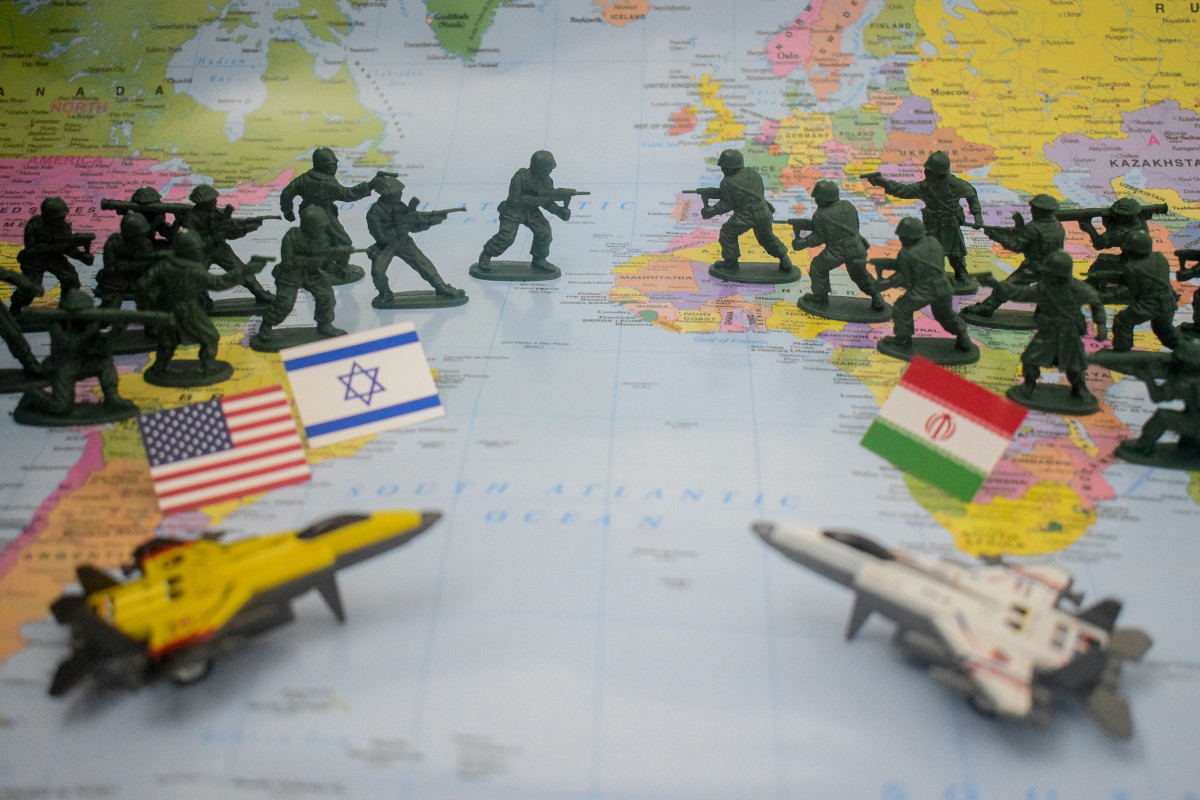
AS tensions between the United States and Iran continue to fluctuate, Gulf states are increasingly exposed to the possibility of renewed geopolitical instability.
While a full-scale conflict remains uncertain, even heightened risk perceptions could have significant economic consequences. Trade flows, investor confidence, tourism activity, and financial markets would all likely come under pressure.
However, focusing solely on disruption risks obscuring a more important question: how should the Gulf adapt its economic model to withstand periods of volatility while sustaining long-term diversification goals?
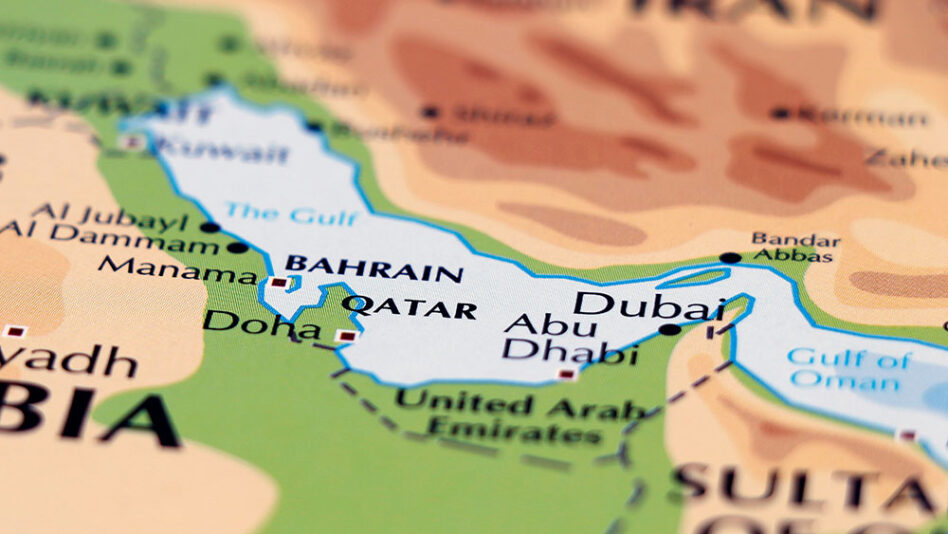
The Gulf economy is deeply integrated into global trade and energy systems. The Strait of Hormuz, through which a significant share of global oil shipments passes, remains a strategic chokepoint.
In periods of heightened tension, shipping insurance costs tend to rise, and supply chains may gradually reroute through alternative corridors such as the Red Sea or Mediterranean. Even without physical disruption, perceived risk alone can influence global logistics behaviour.
Tourism, particularly in the United Arab Emirates and Saudi Arabia, is another sensitive sector. Much of its recent growth has been built on perceptions of stability and modernisation.
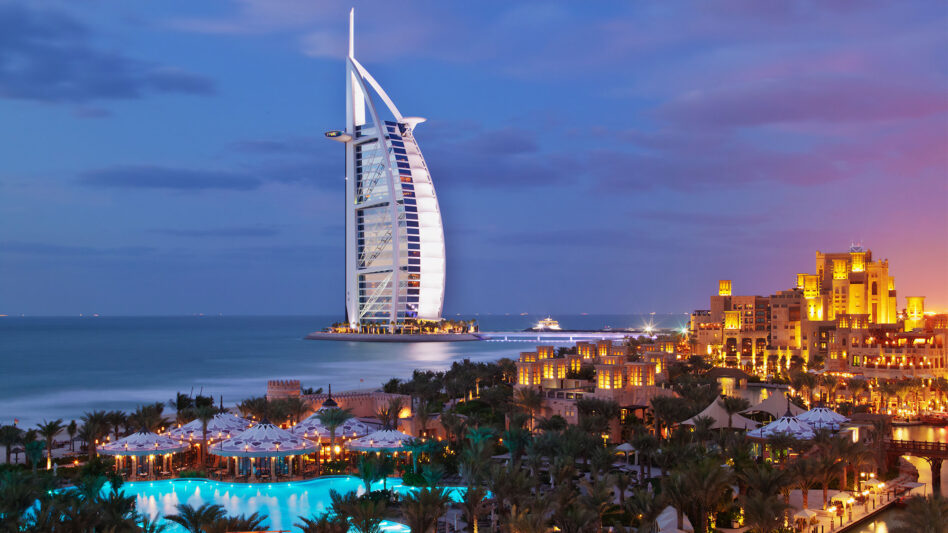
In a more uncertain geopolitical environment, international travel demand could soften, with conferences, business travel, and high-end tourism potentially affected. This would place pressure on hospitality sectors that have expanded in anticipation of sustained growth.
Financial markets are similarly exposed. The region’s financial hubs rely heavily on capital inflows and investor confidence. In periods of instability, capital tends to move towards perceived safe havens, which can affect liquidity, equity markets, and funding conditions for large-scale infrastructure and diversification projects.
In this context, the key question is not only how to respond to shocks, but how to build resilience into the system itself. One structural strength of the Gulf is its high degree of economic integration.
Yet this also creates vulnerability, as disruptions in one area can quickly transmit across sectors. Strengthening resilience may therefore require a more diversified and decentralised economic strategy.
One area of growing importance is digital infrastructure. Expanding capabilities in fintech, data centres, and digital logistics could help position the region as a critical node in global digital trade, even when physical trade routes face disruption or volatility.
This would allow the Gulf to remain economically relevant beyond traditional commodity flows.
Domestic consumption is another underutilised stabiliser. Gulf states have young and increasingly affluent populations, and greater emphasis on domestic tourism and local spending could help cushion external shocks.
Encouraging residents to invest in and travel within the region may provide a more stable base of economic activity during periods of external uncertainty.
In the financial sector, maintaining investor confidence will remain essential. This may involve strengthening regulatory frameworks and offering clearer long-term guarantees for strategic investments.
Some analysts have also pointed to the potential role of digital financial systems, including central bank digital currencies, in improving cross-border settlement efficiency, although such developments remain at an early stage.
Security considerations are also part of the broader economic equation. Over time, Gulf states have increasingly invested in defence capabilities, but long-term resilience may depend on further strengthening domestic technological and industrial capacity.
This does not imply immediate transformation, but rather gradual development of more self-sustaining systems over time.
A potential US-Iran conflict would undoubtedly create economic stress for the region. However, it may also accelerate discussions around structural adaptation.
The key challenge for Gulf economies is not simply to withstand external shocks, but to evolve in ways that reduce their exposure to them.
Ultimately, the future of the Gulf economy is unlikely to be defined by a return to previous stability. Instead, it may involve a more adaptive model—one that balances openness with resilience, and integration with strategic self-reliance.
While the path forward may be more complex, it also offers an opportunity to rethink how economic strength is built in an increasingly uncertain world.
The author is affiliated with the Tan Sri Omar Centre for STI Policy Studies at UCSI University and is an Adjunct Professor at the Ungku Aziz Centre for Development Studies, Universiti Malaya.
The views expressed are solely of the author and do not necessarily reflect those of MMKtT.
- Focus Malaysia

No comments:
Post a Comment
Note: Only a member of this blog may post a comment.