


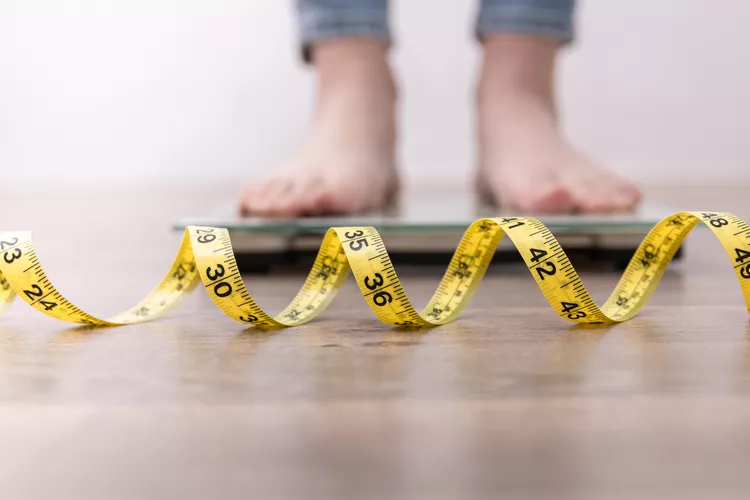
SOME of the unhealthiest people appear perfectly slim. They receive compliments about their figure, register a “normal” reading on the bathroom scale, and see nothing alarming in the mirror.
Yet beneath that exterior, something quietly damaging is taking place: their bodies are accumulating excess fat while losing the muscle that sustains health.
This is sarcopenic obesity, widely known as being “skinny fat”. It is neither rare nor trivial, and is far more common than most Malaysians realise.
The term sounds contradictory. How can a person be simultaneously thin and obese? The answer lies not in appearance but in composition.
Body weight is simply the sum of everything inside us—bone, water, fat and muscle. Two people can weigh the same yet carry vastly different proportions. One may have strong, metabolically active muscle supporting a healthy frame, while the other may have low muscle mass concealed beneath excess fat.
On the scale, they look identical. In terms of health risk, they are worlds apart.
Think of it as a building with severe termite damage. From the outside, it looks intact, but structurally it is hollowing out from within.
Muscle is not merely an aesthetic concern. It is the body’s primary engine, regulating blood sugar, sustaining metabolism, protecting joints, maintaining balance and influencing longevity.
When muscle mass declines while fat accumulates, the body’s efficiency deteriorates steadily. The long-term consequences are serious: an increased risk of type 2 diabetes, cardiovascular disease, fatty liver disease, osteoporosis and physical frailty.
The danger is that it often develops silently, without warning, because the weighing scale shows nothing unusual.
This is a flaw in how we often approach health. We have become fixated on body weight as a proxy for wellbeing, while largely ignoring body composition, which is the factor that truly matters.
Modern lifestyles are accelerating this condition. Many Malaysians spend ten to fourteen hours a day seated—in cars, at desks, in meetings or in front of screens. Prolonged inactivity leads to gradual muscle loss. At the same time, caloric intake often remains unchanged or increases. The body slowly shifts towards an unhealthy composition, and most people do not notice.
Crash diets can worsen the problem. Rapid weight loss may appear successful on the scale, but it often includes significant muscle loss.
The number drops, and the person looks slimmer, but structural muscle has also been lost. They become lighter and weaker, more fatigued, more prone to aches, and more metabolically vulnerable over time.
What was once considered a condition of later life is now appearing in younger adults.
University students with sedentary routines, poor sleep, high stress, low protein intake and no resistance training are increasingly showing early signs of muscle deficiency. The human body was not designed for prolonged sitting, and it is beginning to show.
Reversing this trend requires a shift in how we define health goals.
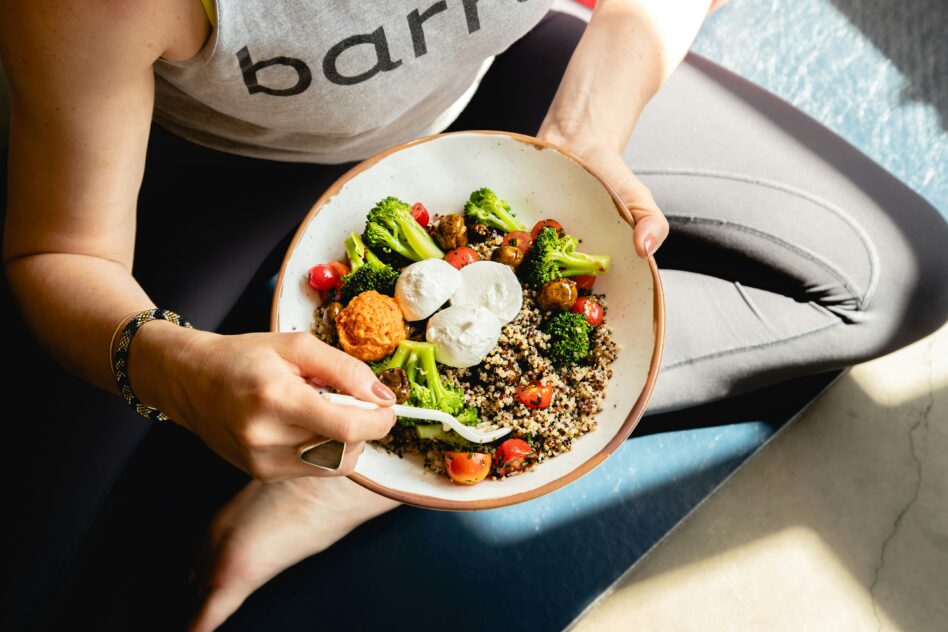
The first priority should be building and preserving muscle, not simply losing weight. Resistance exercise is essential—weight training, bodyweight movements, resistance bands or even daily squats can support muscle maintenance and growth. It does not require a gym membership, but consistency.
The second is nutrition. Muscle cannot be maintained on willpower alone. Many Malaysians consume diets high in refined carbohydrates but low in quality protein. Without sufficient protein, the body cannot maintain muscle mass, let alone build it.
The third is reducing prolonged inactivity. Standing regularly, walking during phone calls, using stairs and breaking up long periods of sitting are small habits that add up over time.
Finally, we must stop treating thinness as a health credential. A person can be slim and metabolically unwell, while another with a higher body weight may be strong, healthy and resilient. Appearance alone tells us very little.
Perhaps it is time to retire the question, “How much do you weigh?” and replace it with something more meaningful: “How strong is your body?”
Because in the end, it is strength—not slenderness—that determines how well we age and how long we thrive.
Dr Nurdiana Zainol Abidin is from the Pusat Kanser Tun Abdullah Ahmad Badawi, Universiti Sains Malaysia.
The views expressed are solely of the author and do not necessarily reflect those of MMKtT.
- Focus Malaysia.

No comments:
Post a Comment
Note: Only a member of this blog may post a comment.