

THE Road Transport Department (RTD), formerly known as the Registrar and Inspector of Motor Vehicles (RIMV), once handled the issuance of permits for commercial vehicles, including “Hire and Drive” licences for car rental companies such as pioneer operator Acme Hire-N-Drive.
Later, Acme and several other rental companies proposed the introduction of a separate permit category for limousine taxis. Vehicles qualifying for the category were required to have engines exceeding 2,000cc or at least six cylinders.
The proposal suited operators such as Acme, which was owned by Tan Chong Motors and used Nissan Cedrics fitted with 2.0-litre inline-six engines for airport transfers and tour services.
These vehicles offered an affordable alternative to European luxury sedans commonly used for limousine services at the time.
For self-drive rentals, each vehicle was required to carry a valid Hire and Drive permit. However, over the past decade, many online-based car rental operators have bypassed this requirement altogether.
While illegal operators may be willing to take the risk, many customers remain unaware of the potential legal and insurance implications should an accident occur.
Private vehicles are not legally permitted to be used for hire or reward, and insurance claims may become problematic if an unlicensed rental vehicle is involved in an accident causing injury or damage.
The lack of enforcement against illegal operators has also placed legitimate businesses at a disadvantage.
Licensed operators must comply with regulations, undergo administrative procedures to obtain and renew permits, and pay substantially higher insurance premiums for commercial vehicles.
The Road Transport Licensing Board, later renamed the Commercial Vehicle Licensing Board in 1987, eventually took over permit issuance from RIMV. One of its more practical measures was the introduction of the “de-controlled” category for small goods vehicles.
Several years ago, the Car Rental Association of Malaysia (CRAM) proposed that rental vehicles also be placed under the “de-controlled” category instead of requiring individual Hire and Drive permits for each vehicle.
Rental vehicles would still undergo routine inspections, similar to other commercial vehicles.
Such a move would help legitimise rental businesses while reducing unnecessary bureaucracy. It would also allow operators to continue claiming capital allowances on vehicles purchased for rental purposes.
At the same time, the outdated Hire and Drive permit system could eventually be phased out.
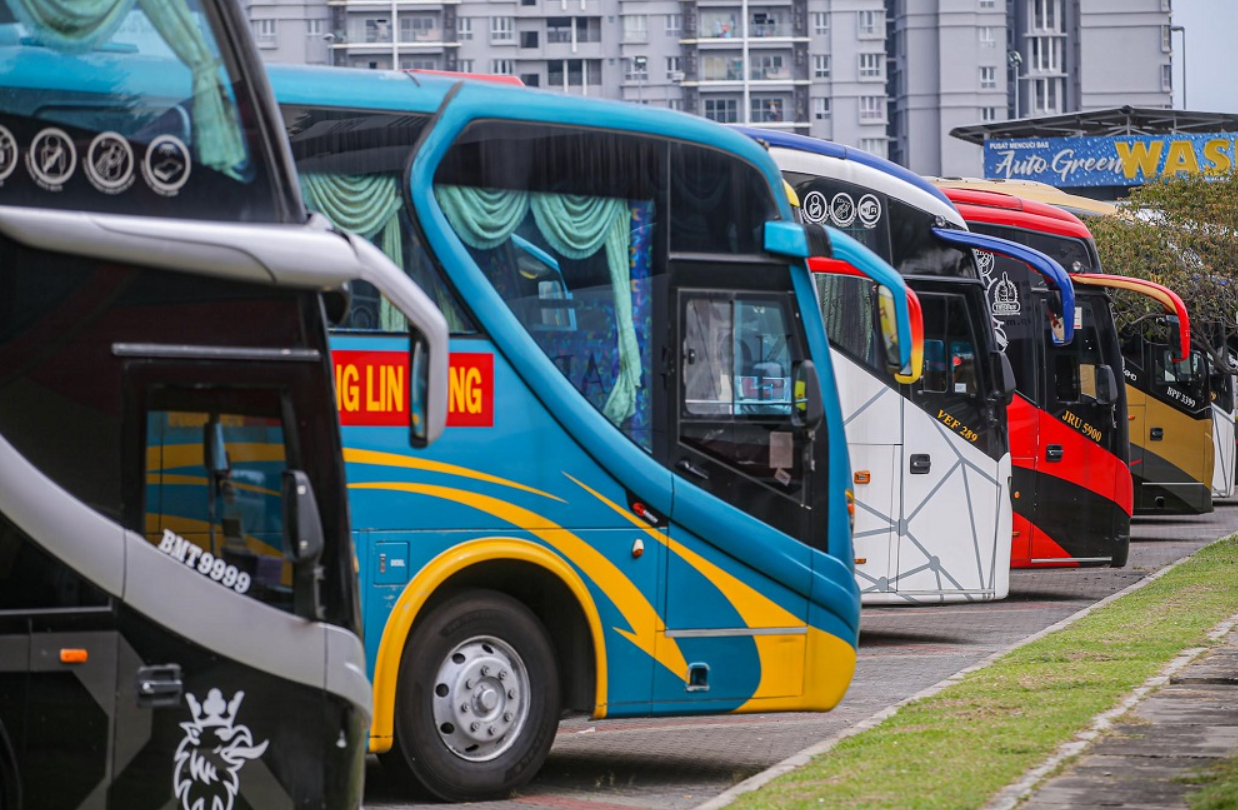
However, permits for tour buses and vans should remain in place. Only companies holding inbound tourism licences issued by the Ministry of Tourism, Arts and Culture (MOTAC) should be allowed to operate such services after obtaining the necessary approvals from MOTAC or the Land Public Transport Agency (APAD).
Enforcement should also be strengthened against buses licensed to transport students or factory workers that are found carrying tourists illegally.
Similarly, authorities should take firmer action against unlicensed vans, multi-purpose vehicles (MPVs), and private cars transporting fare-paying passengers, particularly for airport transfers nationwide.
YS Chan is a tourism, transport and training consultant.
The views expressed are solely of the author and do not necessarily reflect those of MMKtT.
- Focus Malaysia.

No comments:
Post a Comment
Note: Only a member of this blog may post a comment.