


The most revealing thing about Rafizi Ramli and Nik Nazmi Nik Ahmad’s move is not simply that two former ministers have left PKR.
Malaysia has seen enough exits, breakaways, and grand announcements to know that a “new beginning” in politics can sometimes look like an old quarrel wearing fresh clothes.
What makes this moment harder to dismiss is the political feeling beneath it. Their departure does not only speak to ambition, disappointment, or factional rivalry.
It points to a wider question about whether Malaysian politics is entering a period in which voters are becoming more demanding about the kind of belief political parties ask from them.
Rafizi and Nik Nazmi’s decision to join Parti Bersama Malaysia, while also giving up their parliamentary seats, is clearly meant to draw a moral distinction.

They are trying to show that this is not ordinary party-hopping, but a form of political renewal conducted with some regard for public mandate.
Whether voters accept that distinction is another matter. Malaysians have become understandably cautious about political symbolism, having seen many leaders speak in the language of principle while operating within the familiar logic of power.
Yet the gesture still matters because it places a question before the public. Can political dissent still be treated as a legitimate democratic act, or has stability become the only acceptable language of responsibility?
This is where the story becomes larger than PKR.
Reality of governance
For many years, PKR was not merely a political party. It functioned as a vessel for anger, hope, dignity, and unfinished reform
It gave many Malaysians a vocabulary for imagining that politics could be more than patronage, communal calculation and elite negotiation. It promised that power could be challenged, institutions could be rebuilt, and citizens could participate in shaping a different political culture.
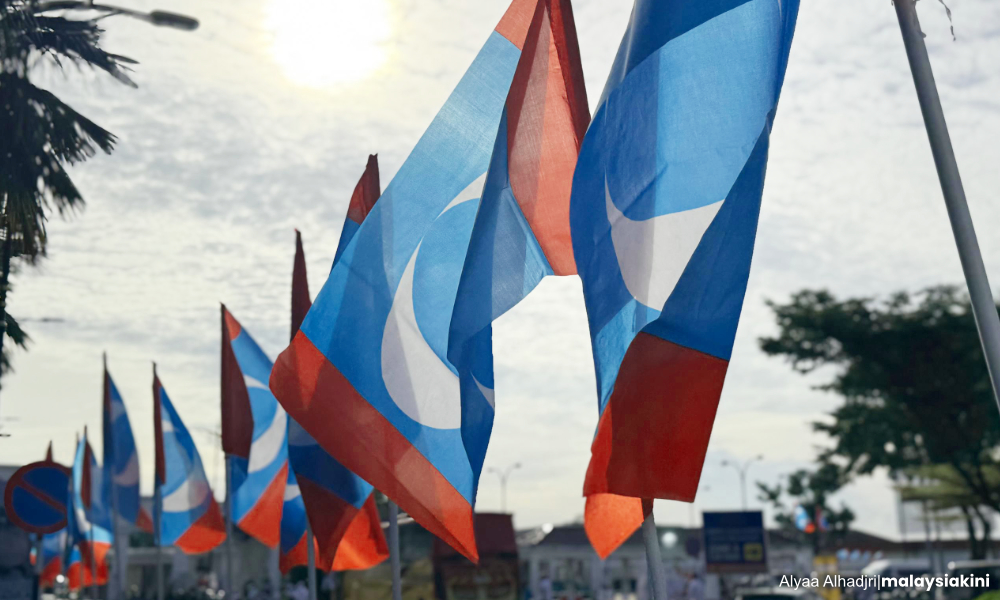
However, movements change once they enter government. Governing a divided society requires negotiation, restraint, and coalition building.
A party that once mobilised moral outrage must eventually confront budgets, bureaucracy, administrative limits and parliamentary arithmetic.
The difficulty for PKR is that the transition from movement to governing party has not been accompanied by a sufficiently persuasive public account of what reform means under constraint.
The danger is not compromise itself. The danger is when compromise is presented as maturity without also acknowledging the disappointment it produces among supporters.
Many citizens can accept that reform takes time. What they find harder to accept is being told that patience is a virtue while the moral energy that once animated reform politics appears to be fading from view.
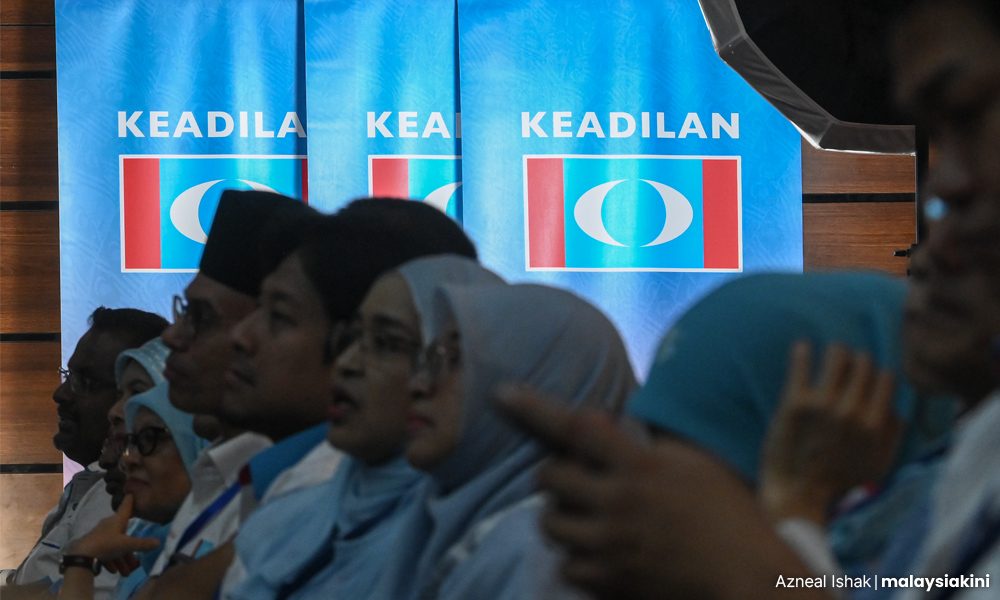
This is also why Rafizi and Nik Nazmi should not be treated simply as heroic dissenters or bitter defectors. Both interpretations are too easy.
Can Bersama follow through?
Their move carries democratic significance, but also real political risks. Bersama offers them a new platform, but a platform is not yet an organisation, and visibility is not the same as trust.
Malaysian political history is full of parties that began with moral urgency but struggled to build durable structures, grassroots networks and a disciplined national message.
A new party may have more freedom to criticise the government, but unless it builds strong organisation, grassroots support, and electoral machinery, it risks becoming only a voice of protest rather than a force capable of governing.
There is also the question of electoral consequence. In a competitive political system, especially one shaped by first-past-the-post contests, small parties can play a disproportionate role by dividing opposition or reform-minded votes.
A party may enter the scene with principled intentions and still produce outcomes that strengthen forces it does not support.

This does not mean new political formations should be discouraged. Democracies need competition, and established parties should not assume permanent entitlement to voters. But it does mean that moral clarity must be matched by strategic seriousness.
At the same time, dismissing the move as ego or revenge would be a mistake because it would allow PKR to avoid the more difficult question.
Fatigue
Why does this break feel plausible to some Malaysians? Why are some voters willing to listen, even if they are not yet ready to follow?
The answer may lie in a broader mood of political fatigue. Many citizens are not apathetic. They remain attentive, argumentative, and engaged. Yet they are tired of being asked to suspend judgment in the name of survival.
They have been told that reform must wait because coalitions are fragile, numbers are delicate, enemies are dangerous, and timing is never ideal.
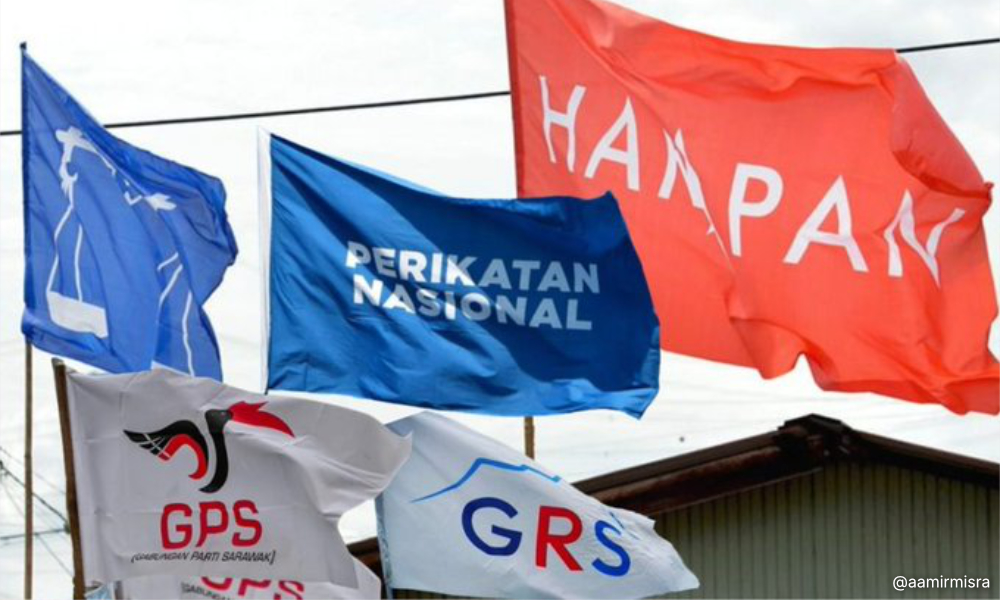
This fatigue should not be read only as cynicism. Voters who once accepted grand narratives are now asking harder questions about delivery, accountability, and internal democracy.
So, where is Malaysia moving? Not simply to the left or the right, and not neatly toward a contest between reformists and conservatives.
Light at the end of the tunnel?
Malaysia is moving into a more fragmented but potentially more demanding democratic phase. Every major camp now has to work harder to justify itself.
The unity government can no longer rely solely on the fear of instability. New parties cannot rely solely on the romance of rebellion. Opposition forces cannot assume that anger automatically becomes legitimacy.
Voters are becoming less patient with inherited slogans, but this does not mean they have given up on politics. It may mean they are asking politics to grow up.

Seen in this light, the Rafizi and Nik Nazmi episode is also an opportunity.
For PKR, it is a chance to rethink how a reform party governs without becoming closed, defensive, and overly managerial.
For Bersama, it is a test of whether it can move beyond personalities and build a credible democratic project.
For Malaysian voters, it is a reminder that democratic renewal rarely comes from one leader or one party alone. It comes from the continuous pressure citizens place on institutions, movements, and governments to remain answerable.
The next election, whenever it comes, may therefore be less about who can claim the reform mantle and more about who can restore meaning to it.
Malaysia is not short of parties, slogans, or political drama. What it needs is a politics that can hold together responsibility and dissent, patience, and urgency.
The question is not whether belief has disappeared from Malaysian politics. The more hopeful question is whether this unsettled moment might force political actors to earn that belief again. - Mkini
KHOO YING HOOI is an associate professor at Universiti Malaya.
The views expressed here are those of the author/contributor and do not necessarily represent the views of MMKtT.

No comments:
Post a Comment
Note: Only a member of this blog may post a comment.