

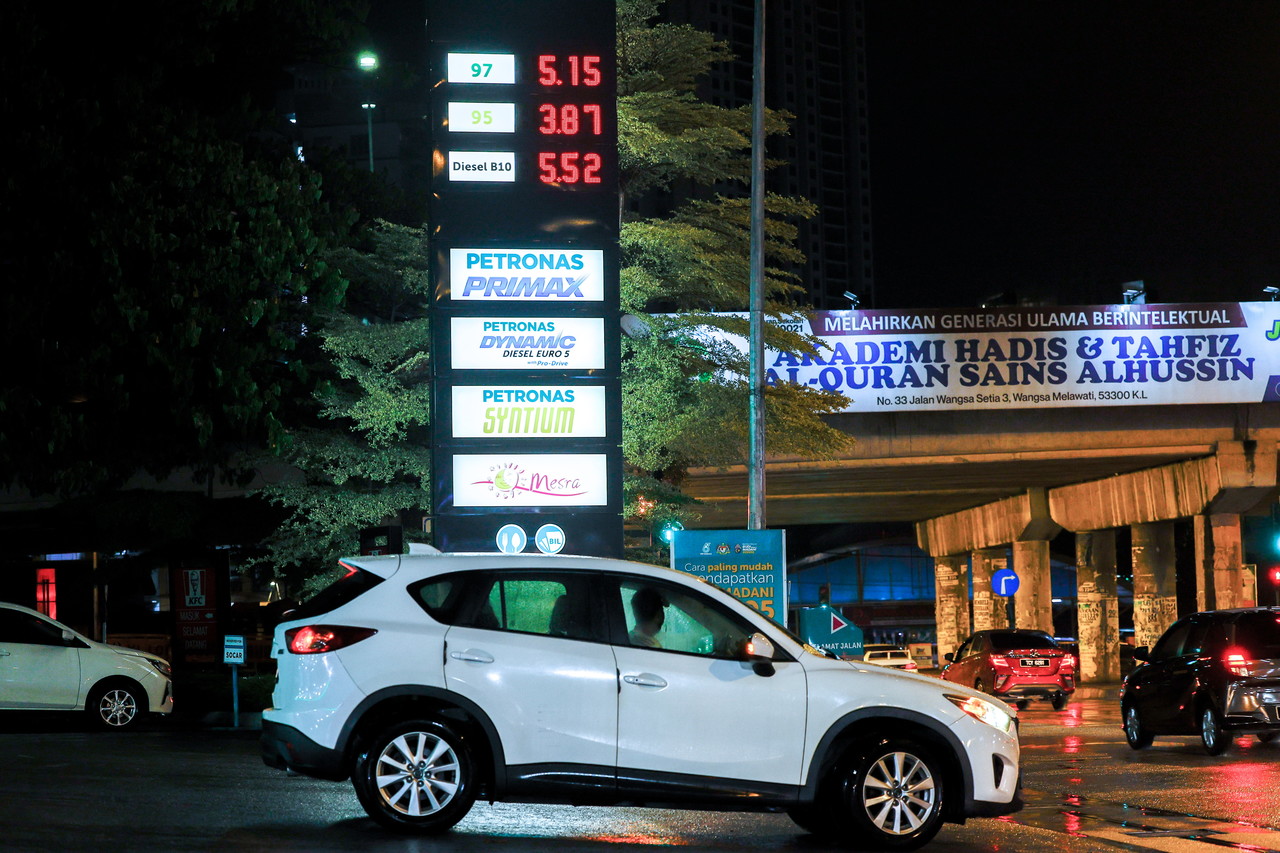
DEBATE over BUDI95 has intensified in recent weeks, particularly on whether subsidised fuel should be extended to the T20 group, how income thresholds should be adjusted, and how the mechanism should be implemented in light of Malaysia’s rising subsidy bill.
But beyond income eligibility lies a larger structural question: is Malaysia’s dependence on private cars and heavily subsidised fuel still sustainable?
The government is now spending an estimated RM6 bil to RM7 bil a month on subsidies following disruptions linked to geopolitical tensions in West Asia. This is a sharp increase from around RM700 mil in January before the escalation.
Such levels of expenditure are not sustainable. Every ringgit spent subsidising fuel is a ringgit that cannot be invested in public transport, healthcare, education, or targeted assistance for those who need it most.
Malaysia’s subsidy cycle is closely tied to its heavy reliance on private vehicles and relatively low fuel prices. The country is among those with the highest car ownership rates in Asia.
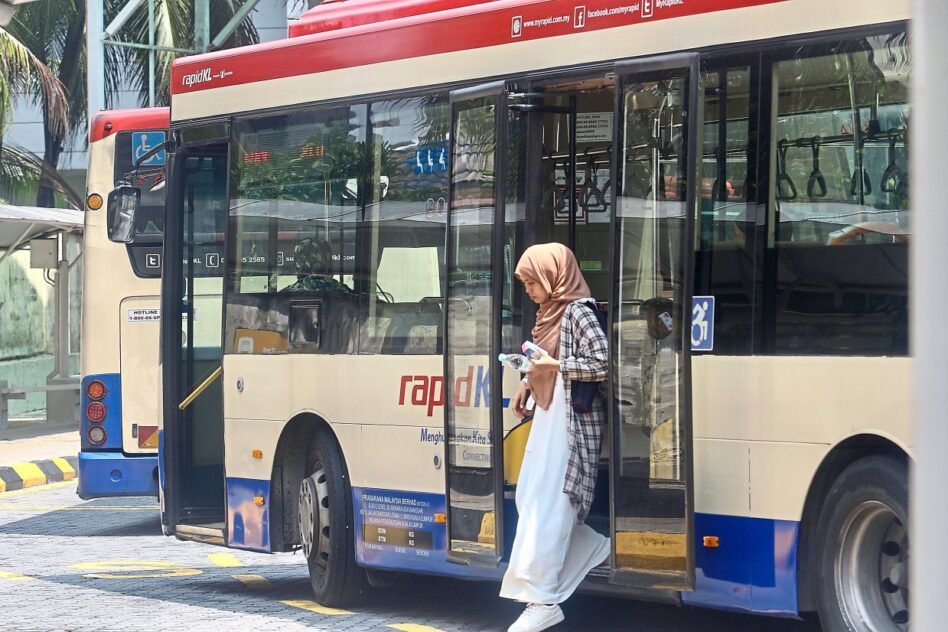
In major cities such as London, Tokyo, New York and Singapore, public transport is a normal mode of daily travel across all income groups. Office workers, students and senior professionals alike rely on it without stigma. It is viewed as the most practical option, not a fallback.
Malaysia must move towards a similar mindset, where public transport is seen as a first-choice system rather than a secondary alternative.
There are, however, encouraging developments. In the Klang Valley, public transport connectivity has improved significantly in recent years, particularly through the expansion of MRT, LRT, KTM, monorail and feeder bus networks, alongside free city bus services.
The recent launch of the Segambut Utara KTM station, together with the extension of DBKL’s GoKL13 bus route, reflects ongoing efforts to strengthen last-mile connectivity.
Initiatives such as the My50 travel pass have also helped keep commuting affordable. The Putrajaya Line has expanded rail coverage, while the LRT3 Shah Alam Line and the extension of ETS services have further improved connectivity across regions.
However, gaps remain. Train delays, overcrowding and weak first- and last-mile connectivity continue to discourage commuters from shifting away from private vehicles.
If the government intends to reduce fuel consumption, public transport must be made reliable, seamless and convenient enough to compete with private car usage.
More practical interventions are needed. First- and last-mile connectivity should be prioritised, including the expansion of on-demand feeder vans linking residential areas to rail stations.
In other cities, micro-mobility solutions such as shared bicycles and scooters have helped bridge short-distance travel gaps.
Workplace flexibility can also play a role in reducing congestion and fuel consumption. Flexible working hours, hybrid arrangements and work-from-home policies can significantly reduce peak-hour traffic.
Incentives could be introduced for employers who adopt such measures, including public transport subsidies for staff.
The private sector should also be part of the solution. Corporate initiatives that encourage off-peak commuting, similar to urban mobility incentive programmes, could help distribute travel demand more evenly throughout the day.
Ride-hailing, taxi operators and toll providers could also be encouraged to adopt dynamic pricing structures that ease peak-hour pressure.
Finally, where private car use remains necessary, continued support for electric vehicles (EVs) is essential. The government has already introduced tax exemptions, expanded charging infrastructure, and attracted major EV investments.
These efforts should continue to be scaled up to accelerate the transition away from fossil fuels.
Ultimately, BUDI95 should not be viewed merely as a subsidy mechanism. It should be seen as a policy turning point.
The current global energy environment signals that the old model of cheap fuel, rising car dependency and chronic congestion is no longer viable.
If managed well, this moment could mark a shift towards a more balanced transport system: better public mobility, reduced congestion, and a lighter subsidy burden on taxpayers.
Ben Fong Kok Seng is the chairperson of the Bukit Bintang Parliamentary Zone Residents’ Representative Council (MPP).
The views expressed are solely of the author and do not necessarily reflect those of MMKtT.
- Focus Malaysia

No comments:
Post a Comment
Note: Only a member of this blog may post a comment.